



Under normal circumstances, after a meal, the increased glucose in your blood causes your pancreas to secrete insulin.
The more glucose in your food, the more insulin is produced.
Insulin binds to the cell membranes and triggers the cell membrane to open up and let the glucose in.
Insulin allows glucose, amino acids, fats, magnesium, and other nutrients into the cell where they can be used in the mitochondria to produce energy. When this is in balance we feel centered energetic, focused, and lean.
It’s when our blood sugar, insulin, and cortisol are out of balance we experience issues.
When you eat foods high in carbohydrates or eat your meals too close together (ie. snacking) it stimulates a rapid rise in glucose and in response, insulin.
When insulin is chronically high, you are in a constant state of inhibited fat-burning, low growth hormone, and lower metabolic rate. The result is belly fat which is very hard to lose.
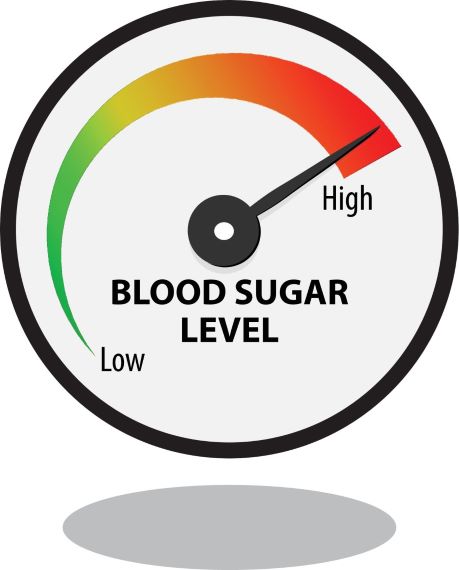
Excess insulin can also cause your blood sugar to get too low, leading to brain fog, irritability, and ravenous cravings due to blood sugar instability.
Chronically high blood sugar and insulin levels lead to insulin resistance. This is when the insulin receptors on your cells tire of the constant insulin stimulation and shut down.
Less insulin in the cell and more insulin in the bloodstream is a recipe for weight gain, diabetes, and a host of other diseases.


stop blaming yourself

As a Certified Functional Nutrition Counselor, I can help you understand that your biochemistry is not your destiny.
Let me teach you how to eat to be free of cravings, weight gain, and self-sabotaging guilt.
It’s not magic- it’s science, and you can leverage it to feel at home in your body. This reset is a great way to begin.
Questions? Email me!