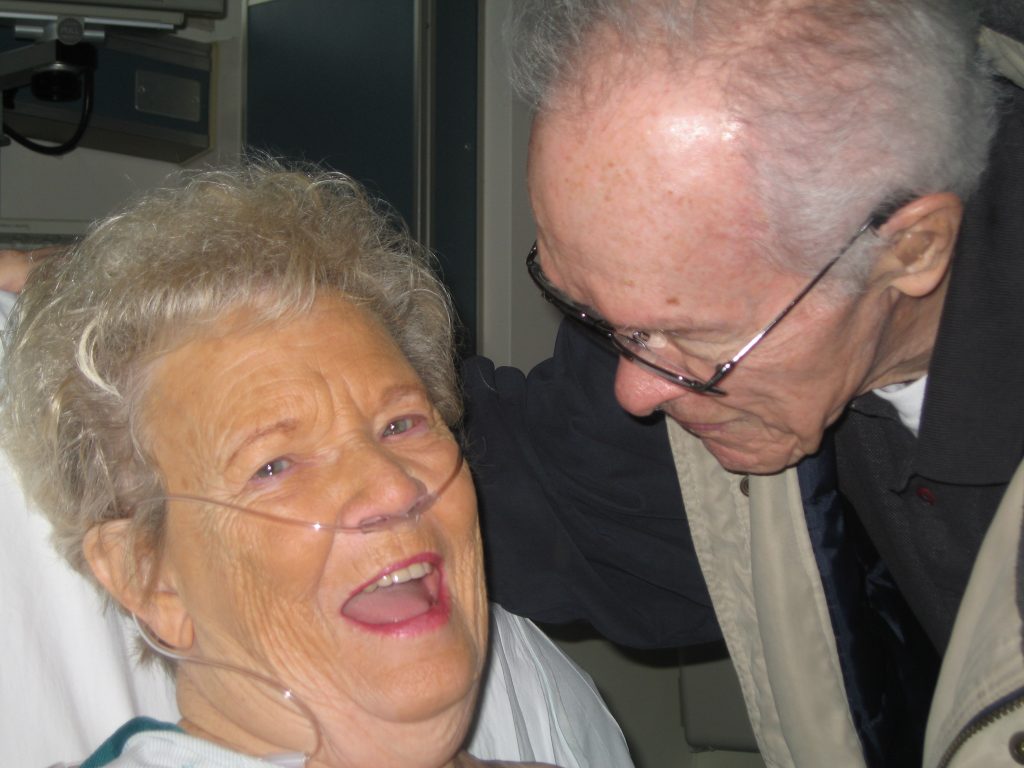
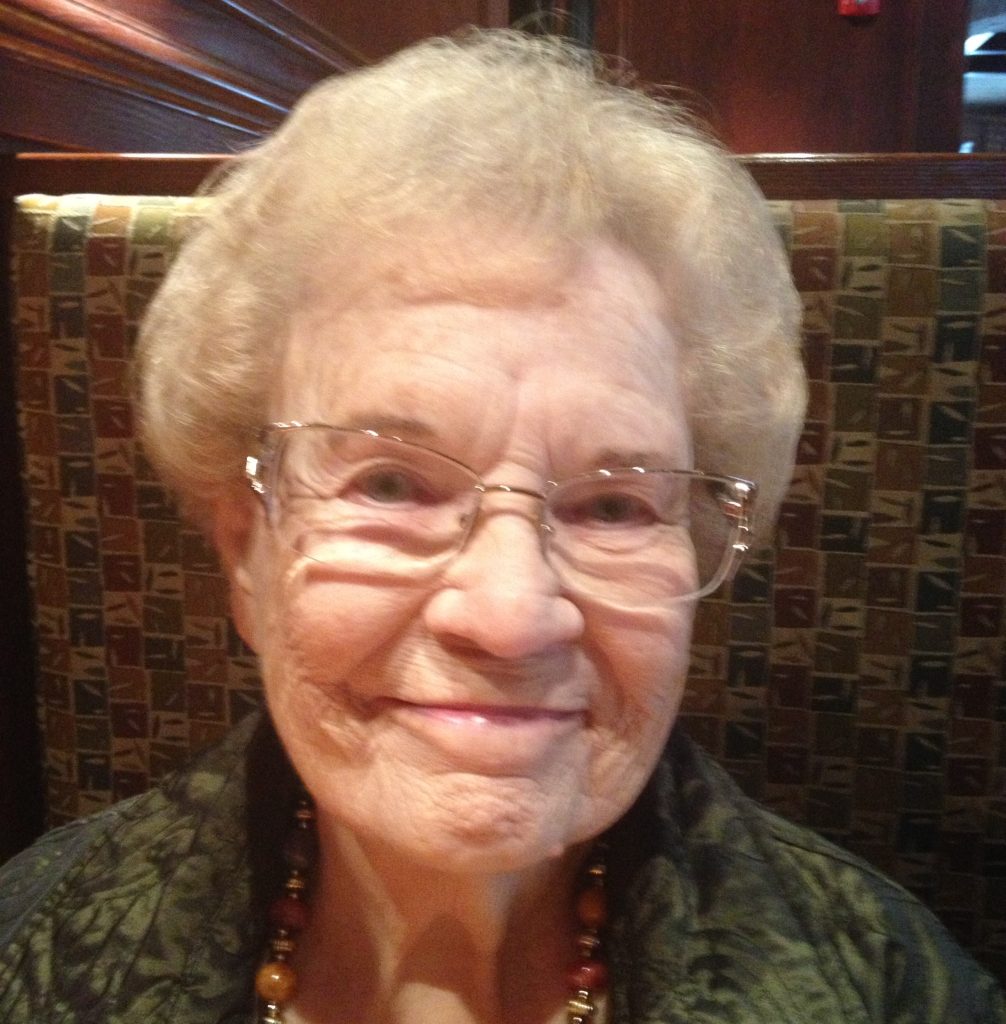
My mom was 89 years when she died. She was also feisty, hard-headed, and a little more than off-center. This wasn’t a product of her age- it was just her being Ruth Wylodene Sturdivant Ramey.
Five days before she was gone, she was eating with my brother at her beloved Applebee’s, crying tears of joy because he’d come to visit her.
Four days before she was gone I received a voicemail from her head nurse, Laura, saying that there was nothing to worry about, but my mom, angry that she was not allowed to sit in the nurse’s chair, had “put herself on the floor.”
I sighed and asked if I should come out to help; they said they’d call me back. Twenty minutes they that she had simply gotten up and walked back to her room, having made her point.
Three days before she was gone, I walked into her room to find her breathing labored, her speech incoherent and alien.
My heart sank when she was unable to navigate the warm cookie I brought to her mouth; her hand simply wouldn’t allow the task.
“You can always eat it tomorrow, Mom,” taking the cookie from her. But of course, even then, I knew that wasn’t true.
“Mom, you look a little tired today. I’m going to take your laundry home and I’ll be back first thing in the morning. You’ll feel better then.”
And then, with sudden order and clarity, she reached for my hand and said, “Be careful out there, there’s a lot of traffic.”
Those were the last words I heard my Mom say, and of course, they could not have been more caring.
The fact that my mother was afraid of traffic, weather, and insults real and imagined, did nothing to deter her from fighting against it all. She took names after kicking butt, not before. You don’t apologize for doing the right thing after all, even if the right thing existed mainly in your own mind.
She and I took a long road home and I’m embarrassed to say I lived most of my life in reaction to her. I resented her for everything we did not have in common.
She weighed 89 pounds soaking wet. I was born so fat she wondered if I had a neck.
She was dainty and lovely. I was bald, boxy, and skeptical.
She taped plastic flowers to my head so people would know I was a girl.
A southern belle, she feigned weakness but ruled our home with an iron fist. The fact that she covered it with a white glove didn’t fool me- I hated her hypocrisy and made it my mission in life to prove her wrong.
I called her ‘Little General’ behind her back and mocked her to her face when I was an adolescent.
I loved my Father and couldn’t understand for the life of me why he worshipped a woman like her!
When he died in 2008, he wouldn’t let go until we all promised to take care of Mom.
If there was one thing my Dad loved more than anything else in this world, it was his little Dene and he was not excited about leaving this earth without her.
He’d spent 63 years loving, protecting, and providing for her; he simply couldn’t leave her unless we promised she’d be safe.
And that’s a promise you don’t make unless you can keep it.
My brothers lived out of state. They were great about flying in and out, and generous with financial support, but the day-to-day fell to me.
When she agreed to move to assisted living, her shyness made it hard to connect with others. So I’d show up to help—organizing “play dates” and prompting table talk just to get her started. Eventually, she found her people and settled in, but the transition wasn’t easy.
She expressed her discomfort the way she always had: by fabricating stories and projecting motives onto others. It was consistent with a lifelong pattern—struggling to take personal responsibility.
Along the way, we navigated heart disease, broken hips, glaucoma, and one particularly harrowing visit to a psychiatrist when she became unusually paranoid and delusional.
We also narrowly avoided a $250,000 lawsuit. After leaving her faucet running in her third-floor apartment, my mother flooded not only her own unit but the two below. When the corporation that owned the facility sued her for damages, I was stunned.
“What in the world!” I complained to my dear friend Jennifer, “The idea of holding an 87-year-old woman with dementia financially responsible is reprehensible! Isn’t that why corporations carry insurance???”
Jennifer, one of Kansas City’s best attorneys, agreed and interceded on my mother’s behalf, refusing to take a cent for her time. Meanwhile, Mom went from apologizing for the accident to complete denial—demonizing the facility, the attorneys, and anyone else who mentioned it. It triggered her paranoia and obsession.
““Great news, Mom!” I said, when she showed me the latest piece of “hate mail” from the attorneys. “I’ve hired someone to make this all go away, so you don’t have to worry about it anymore.”
“Who’s that?” she asked, eyes narrowing with suspicion.
“You know her—Jennifer, my friend at Shaffer Lombardo,” I said, pulling out the demand letter. “Here, look. It’s all going to be fine.”
She snatched the letter from my hand, squinting at the signature. Her face twisted.
“Oh noooooo! Not a woman!” she wailed.
Before I could stop myself, my hand flew up and came down hard on the table between us with a loud thud. Papers scattered in the air, matching the force of my anger.
Those three words—Not a woman!—hit a raw, familiar nerve. They triggered a lifetime of frustration with my mother: her competitive misogyny, her deep distrust of other women, and her ultimate rejection of me.
“Go to hell, Mom! I’m done with this mess—trying to help, trying to take care of you. Fuck it! Let Mike and Tim handle it!”
And I meant it. I was blind with rage, sobbing all the way home. I called Herb from the road, shrieking, “I’m done with this shit! Let my brothers do the heavy lifting—Mike’s her freaking hero anyway!”
“Come on home, babe,” he said gently. “And be careful.”
He listened to me rage for two full days. I couldn’t let it go. I felt like a child again—rejected, dismissed. The wound was deep and raw.
My brothers were sympathetic but helpless. How were they supposed to manage her doctors’ appointments, the twice-weekly warfarin tests, her medications?
That moment was pivotal for me. I realized I wasn’t taking care of my mother because I had to, or because my father once asked me to. I was doing it because that’s who I am. I wanted to.
And that shift changed everything. It freed me from a lifetime of reacting to her as a wounded child. I was no longer that girl. I was a woman now—conscious, and free to choose. And I chose her.
I don’t think anyone was more surprised than I was that I loved my Mother so much. I was completely unprepared for how deeply I wanted to be with her, take care of her and be strong for her. This was not me.
And so, as she reclaimed her innocence; when her days became indistinguishable from the other, when she wept in confusion, I was happy to be there – to learn that I could comfort her and give her peace.
We went to Applebee’s, painting class, Sonic, and JCPenney. We saw movies, wandered the museum, strolled the park. We got manicures, pedicures—even facials. When she needed to go to the dentist or dermatologist, I made an appointment, too.
But her favorite pastime was sitting in the common area at Delmar Gardens, delighting in tawdry gossip about each person who might walk by.
My Mother had a detailed imagination and once she got started on a yarn, you’d just as soon settle in and listen.
And so I learned to listen to her without having to be reasonable, and her stories made us both laugh…. and the more I laughed, the more she told them until it didn’t matter anymore- and soon we were two ladies cackling and being silly.
I wouldn’t trade a moment of the last few years of my Mom’s life because we finally got to have the kind of relationship I’d always wanted. I knew she loved me and I knew I loved her.
When I was younger acting like a know it all, my Mom warned me, “Best not to count your chickens before they’re hatched, Tina.”
It was lost on me then; I just thought she was a hayseed from Tennessee. But now I understand.
Life is a miracle that will surprise you every damn day if you let it. And so, today, on Mother’s Day, I’ll not count my chickens, Mom, just my blessings.
We love you, Mom! We miss you, Mom! Happy Mother’s Day!
In our last T School Intensive discussion about the importance of keeping track of your food, exercise and sleep, one of our participants asked how best to record our exercise calories burned in the MyFitnessPal app.
She asked for a simple way to record calories burned through common activities, like walking, weight training, High Intensity Interval workouts, and our classes at Pilates 1901, etc, as there are no preset activities in the app to make this simple.It was a good question, so I followed up on her request. (Thank you Lisa K.) But before I continue, I need to preface my finding with two
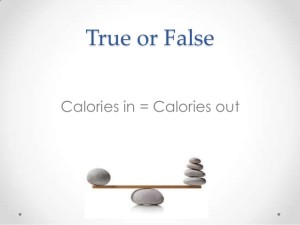
pre-requisites. When considering the effects of exercise, it’s important to not focus solely on the total calories burned during the activity, but to consider the overall metabolic effect on your body.IS IT REALLY ABOUT CALORIES IN AND CALORIES OUT? NOT EXACTLY.
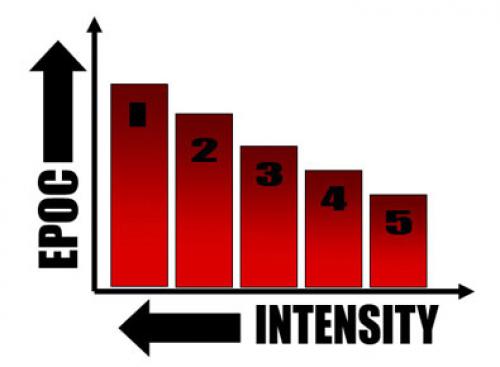
While more calories may be burned in cardio session than a resistance training session, the long term results of that resistance training session may have the greater impact on fat loss because you are building and maintaining muscle mass, your metabolic furnace. The best fat burning workout option is interval training which combines cardio and resistance exercises performed at an intensity level that takes you outside of your comfort zone with periods of rest and recovery. This creates what is called the EPOC effect.
EPOC STANDS FOR EXCESS POS-EXERCISE OXYGEN CONSUMPTION.
Similar to how a car’s engine remains warm after being turned off, once a workout is over and you’re back in your daily routine, your body’s metabolism can continue to burn more calories than when at complete rest. This physiological effect is called excess post-exercise oxygen consumption, or EPOC. Also known as oxygen debt, EPOC is the amount of oxygen required to restore your body to its normal, resting level of metabolic function (called homeostasis). It also explains how your body can continue to burn calories long after you’ve finished your workout.
Your metabolism is how your body converts the nutrients you consume in your diet to adenosine triphosphate (ATP), the fuel your body uses for muscular activity. ATP is produced either with oxygen using the aerobic pathways or without oxygen relying on the anaerobic pathways. When you first start to exercise, your body uses the anaerobic energy pathways and stored ATP to fuel that activity. A proper warm-up is important because it can take about five to eight minutes to be able to efficiently use aerobic metabolism to produce the ATP necessary to sustain physical activity. Once a steady-state of oxygen consumption is achieved, the aerobic energy pathways are able to provide most of the ATP needed for the workout. Exercise that places a greater demand on the anaerobic energy pathways during the workout can increase the need for oxygen after the workout, thereby enhancing the EPOC effect.
HIGH-INTENSITY INTERVAL TRAINING (HIIT) IS THE MOST EFFECTIVE WAY TO STIMULATE THE EPOC EFFECT.
The body is most efficient at producing ATP through aerobic metabolism; however, at higher intensities when energy is needed immediately, the anaerobic pathways can provide the necessary ATP much more quickly. This is why we can only sustain high-intensity activity for a brief period of time—we simply run out of energy. HIIT works because during high-intensity exercise ATP is produced by the anaerobic pathways; once that ATP exhausted, it is necessary to allow ATP to be replenished. The rest interval or active-recovery period during an anaerobic workout allows aerobic metabolism to produce and replace ATP in the involved muscles. The oxygen deficit is the difference between the volume of O2 consumed during exercise and the amount that would be consumed if energy demands were met through only the aerobic energy pathway.
EPOC IS INFLUENCED BY THE INTENSITY, NOT THE DURATION OF EXERCISE.
Higher intensities require ATP from anaerobic pathways. If the ATP required to exercise at a particular intensity was not obtained aerobically, it must come from the anaerobic pathways. During EPOC, the body uses oxygen to restore muscle glycogen and rebuild muscle proteins damaged during exercise. Even after a HIIT workout is over, the body will continue to use the aerobic energy pathway to replace the ATP consumed during the workout, thus enhancing the EPOC effect.
RESEARCH HAS SHOWN THAT RESISTANCE TRAINING CAN PROVIDE A GREATER EPOC EFFECT THAN RUNNING AT A STEADY SPEED.
In an extensive review of the research literature on EPOC it was concluded that resistance exercise produces a greater EPOC response than steady state cardio exercise. For example, one study found that when aerobic cycling (40 minutes at 80 percent Max HR), circuit weight training (4 sets/8 exercises/15 reps at 50 percent 1-RM) and heavy resistance exercise (3 sets/8 exercises at 80-90 percent 1-RM to exhaustion) were compared, heavy resistance exercise produced the biggest EPOC.
SO HOW TO KEEP THIS SIMPLE IN MY FITNESS PAL?
At this point, we are not able to share set kcal burn for different workouts in the myfitnesspal app, but you can each individually import the estimated kcal burn in the attached “cheat sheet” that I created. Please keep in mind that this is just an estimate of kcal burned as I used the following parameters to run the calorie burn calculations:
The participant is female, 50 years old and weighs 145 lbs. To get a more accurate count for your personal workouts you will need to visit one of the calorie calculator sites listed below and enter your personal stats.
You will notice the greatest number of calories might come from cardio and interval training classes but all resistance training (ie Mat, Ball and Pilates equipment workouts) are helping you build and maintain muscle which determines your ability to burn calories not only during exercise but at rest. Further, over training, or doing too much exercise in the name of burning more calories undermines your ability to maintain muscle mass and may actually sabotage your best results.
DON’T FIGURE EXERCISE CALORIES BACK INTO YOUR TOTAL DAILY CALORIES
The other thing that people are tempted to do when looking at calories burned by exercise is to think they can add them to the total number of calories they consume per day. This is incorrect and most folks only slow down or sabotage their fat loss goals by “eating them back on.” Do not make this mistake; instead look at the exercise calories your burn daily as a way to propel your progress and not simply a way to justify eating more food.
To calculate your own kcal burn doing different types of exercise, explore the following resource links:
Health Status (This is the one I used but you can experiment for yourself)
THE BOTTOM LINE
It all comes back to journaling about the kind of exercise that you LIKE and WILL DO, and HOW YOU FEEL after doing it. Consistency in your habits, including the foods you choose to eat daily, the movement you engage in and the commitment to getting quality sleep is what matters.
Your body isn’t a math calculation and although it’s important to have guidelines to work within, your awareness and connection to your daily choices is what will transform your body, body composition and your life.
Many thanks to my friends Michelle Davidson and Joel Nichols for welcoming me every other Thursday morning to discuss what we can do each day to be proactive, healthy, and happy! I am so grateful for the opportunity to share!
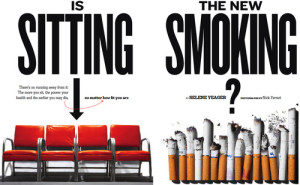
Is Sitting the New Smoking?
This caption was coined by research scientist Dr. James Levine at the Mayo Clinic. He found the health risks of sitting to be so devastating you might want to stand up while you read this post!
The average American is sitting 60% of their waking day (or 9.5 hours) between work and TV time. But at what cost?
Health Risks of Sitting too much
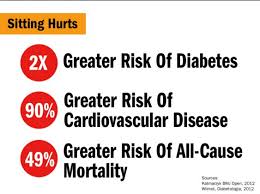
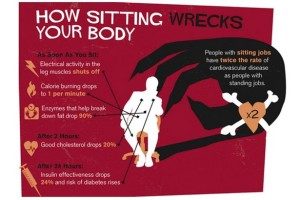
Increases your risk for cardiovascular disease, heart attack and stroke by a staggering 90% to 125%! This is because sitting suppresses enzymes on the body that utilize fat for energy and reduces LLP1 a key gene that prevents blood clotting and reduces inflammation. This results in more fat circulating in the blood and less activity to manage it. And it begins the moment you sit down.
Doubles your risk for developing diabetes. People who sit too much have enzyme changes in the muscles that increase sugar levels and interrupt healthy insulin response. Over time, prolonged sitting interrupts healthy metabolic processes and may lead to insulin insensitivity, weight gain and type two diabetes.
Increases your risk for cancer.
Research shows that sitting more than 6 hours per day significantly increases your risk for developing breast, colon, lung and prostate cancer.
Overall mortality increases by nearly 50%
Studies show that chronic sitters die earlier than those who don’t sit as much. And don’t get smug about exercising away all those health risks at the end of the day. Researchers say the same enzymes and genes that are so sensitive to sitting, are simultaneously resistant to exercise. Studies show that even the highest level of exercise has no effect on reversing the damage of sitting. So what do we do? The only cure is to get up and move every 30 minutes.
Helpful tips to avoid sitting too long
Set an alarm on your phone to remind you to get up and move every 30 minutes
Walk while you are talking on the phone.
Invite your clients to walking meetings.
Sit less when you get home. Don’t just plop down on the couch.
Invest in a standing or treadmill desk
Sit on a stability ball at work so you can bounce or move at your desk. The ball provides enough instability that your body is constantly having to make small movement adjustments and use your core muscles to sit up straight.
Do some of the exercises recommended in this video.
Movement is a critical component of your optimal health so become mindful today of how much you really are sitting. Then take it a step further and think about what you are eating and how much you are (or are not) sleeping.
It’s been three weeks and three days since my third hip replacement, each of which I have had exactly three years apart.
Seems like a pattern here. A pattern that needs to stop.
It’s not that I don’t like hospitals (I don’t like hospitals), or my doctors (two out of three ain’t bad), or pain (the myth about women having a higher pain tolerance is untrue); it’s about all the questions about why, why, why Tina- why YOU?
I guess it would be normal for people to think that my being reasonably young (for a hip replacement) and proactive and fit, that I would be able to avoid these constant revisions.
“Do you think you did too many step classes?” (spinning classes, aerobic classes, etc) “Did you cut your physical therapy too short?” “Maybe you came back too soon?” “Do you have osteoporosis?” “What’s wrong with your bones?”
The implication seems to be (no matter how unintentionally), that I did something to create my situation. And I guess I did. I was born… to parents who also had arthritis; a condition that most of us will develop to some degree as we age. I just happened to be one of those who developed it early.
I don’t mean to sound testy. I get it. No one wants to believe you have to have three hip replacements before your mid fifties to get it right. But I did. And it sucks.
The Good News.
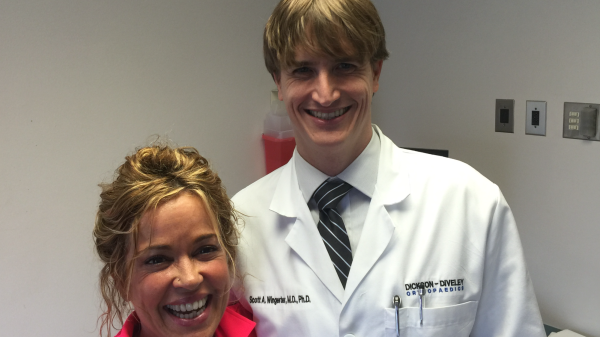
When I posted this picture on FB everyone wondered if he was married! Let’s show some respect people- he’s a Doctor!
My physician, Dr. Scott Wingertner, (who may look like he’s twelve but is actually a brilliant surgeon), told me he’s very confident this will be my last revision. Yeah!!!
There was a problem after all with my bones: they were too hard! Hard enough that it was difficult to scrape down far enough into the bone bed to get a secure set of the cup- harder still to drill in the multiple screws that we trust will keep the damned thing in place this time. The irony of course is that my bones were not too soft to hold the cup in place, but too hard! Now that’s freaking hilarious!
The recovery too will be hard. Hard because the incision was different. Hard because I’m that much older and my poor muscles are confused having performed acrobats to accommodate the previous surgeries. That means it’s going to take more time to recover. That means I’m going to have to stay quiet, follow directions, take it slow and mind my manners- all traits that are not organically Tina. You see my dilemma.
Justin Trent, my beloved PT
Boredom and Buried Treasure
So it’s been three weeks and three days since my surgery. It took two weeks to get out of bed, three weeks to toss the walker and three weeks and three days to feel like my brain is clear enough to write this blog.
It will be three months I am told, before I can return to work and a normal schedule. Are you kidding me? Yeah, that’s exactly what I said. But it’s true. So what am I to do?
I think a good place to start is being grateful.
If there’s one thing getting set on your ass will show you, it’s who your friends are. I’ve been blown away (and I mean blown away) by the amazing support of my friends, family and community. Daily cards, emails, texts, meals, flowers, gifts and wishes for healing have humbled me and brought me to tears. If one of life’s big lessons is to learn to be vulnerable, trust and accept, then I am getting my Phd.
Any entrepreneur would be nervous about leaving their business in the hands of others, but my amazing 1901 staff and coaching community have shown me just how powerful a team can be when they share the same values and vision. They’ve not missed a beat in taking care of our clients, of one another, and me.
You might think learning life goes on without you would pop your balloon, but it’s given mine an unexpected rise instead. I might actually be able to use this time to focus on all those things I’ve been saying I want to do instead of chasing my tail worrying about what might be falling through the cracks. My gratitude to my staff is immense for this. To this I can only say, thank you, thank you, and thank you.
Flowers ARE Medicine!
The Book
Many of you know, I’ve been talking about writing a book for sometime. Now, it seems, I have no excuse. I have the time and I have the support to write it. So, (and I know this public statement is going to cause me some major 2 am anxiety), I am going to begin writing more regularly and trust that the book takes shape.
So what is this book about? It’s about you. It’s about everything I’ve learned (and am still learning) from you all these years teaching health and fitness. It’s about your questions, your frustrations, your desires and your fear of failure. It’s about possibility and freedom and daring to live your best life every day.
That’s what the book is about! Do I have the answer? NO. Do I have a solution.
YES, I do! Many! And the suggestions I will make are culled directly from the lessons learned by living and working and playing with you, my friends and family and clients.
About this time, you’re thinking, okay Tina, let’s step away from the hydrocodone.
But, it’s not the drugs. (I am writing this sans pain medicine) If I seem high, it’s because I’m so excited about sharing your stories. I’ve seen first hand the miracles that happen when ordinary people make the decision to create profound change in their lives, simply by shifting their beliefs- by accepting that they have the power to do so.
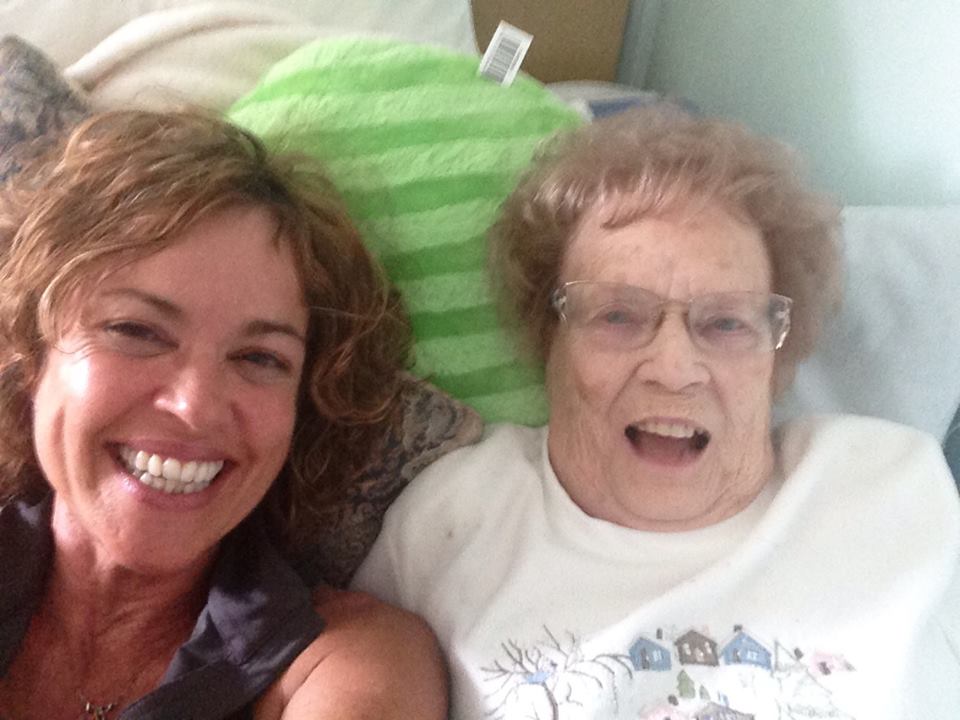
Mom and me circa 2013
John Irving wrote, “Good habits are worth being fanatical about.” So pardon me if I sound a bit fanatical. I’ve been at home for three weeks, eating good food lovingly prepared by my partner, my friends, my staff and my awesome community. I’ve had time to reflect on what’s most important to me, who’s most important to me, the casual treasures of every day life, and the poignancy and potential of random acts of kindness.
When I was a kid, complaining because I was restless and bored, my Mom used to say, “Only boring people are bored,” but never suggested what else I might do. I guess she was what you might call a ‘do it yourself parent’, a fact that I hadn’t fully appreciated perhaps, until now.
So Mom, I hear ya loud and clear. I ain’t bored and I sure as hell ain’t boring. I’ve found something to do.
Many thanks to my friends Michelle Davidson and Joel Nichols for welcoming me every other Thursday morning to discuss what we can do each day to be proactive, healthy, and happy! I am so grateful for the opportunity to share!
Is Eating Fat Bad for You?
Over the past thirty years, it seems dietary fat has been demonized as responsible for leading to heart disease, diabetes, and strokes. But is that assessment still accurate? Fat is a macronutrient that we, in fact, need in our bodies for optimal cell function, nerve function, brain function, healthy skin and hair, joint cushioning, and the transport of fat-soluble vitamins, A, D, E, and K.
So why the bad wrap? Take a moment to learn more about the benefits of eating fat and the real health costs of eating one type of fat in particular: Transfats.
To take a closer look at the risks of eating fat, it’s important to know there are different kinds of fat: Healthy, Bad and Benign.
“Healthy Fats”
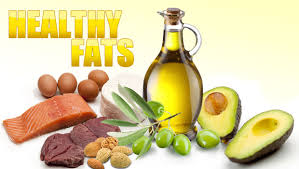
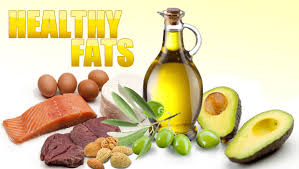
include monounsaturated fats and polyunsaturated fats which often come from plant-based sources and are generally liquid at room temperature. Walnuts, avocados, olive oil, and peanuts are examples of monounsaturated fats; Flaxseed, vegetable oils, fish oils (in salmon), almonds and seeds provide us with our poly unsaturated fats, which contain heart-healthy Omega 3 and Omega 6’s.
“Saturated Fats” found in animal products like milk, meat, cheese, lard, and butter may also be found in plant sources like coconuts. Saturated fats are usually solid at room temperature and have been credited with increasing our risk for heart and cardiovascular disease. That’s because the research showed that eating saturated fats increased our blood fats and cholesterol which was associated with greater risk for heart disease.
But what the research did not show was that it focused on TOTAL Cholesterol rather than examining the ways it affected both our “bad” cholesterol (LDL- low density lipo proteins) and our “good” cholesterol (HDL- high density lipo proteins).
Further, scientists have discovered that our LDL lipoproteins come in two sizes and consistencies, small and dense and large and fluffy,
Small dense particles can pass through arterial walls easily and contribute to plaque build up and coronary artery disease. They also are easily oxidized which raises the risk of disease. But the large molecule LDL is large and fluffy and are too large to pass through cell walls and is therefore benign.
Low carb diets higher in saturated fats help enlarge the LDL particles and low fat diets have been linked to increased small particle LDL. This research shows that saturated fat does not have the same detrimental affect on blood lipids as it was thought in the past. That said, you shouldn’t make a steady diet of bacon and steak, but there is now evidence that saturated fat is not as bad as we once assumed. In fact recent studies have show that diets high in protein and saturated fats can increase our HDL (the “good”cholesterol) and increase the production of large density (rather than the riskier small density lipo proteins) associated with risk for heart disease.
The real enemy in fighting fat is avoiding Transfats at all cost. Trans fats are man made hydrogenated oils that were designed to help extend shelf life of processed foods. Trans fat is often found in margarine, baked goods, prepared cookie dough and biscuits, and commercially fried foods and snack chips
When you read a label and see the words, “hydrogenated vegetable oil,” please know that the fats in this food have been chemically altered by a high heat process which alters the composition of the fat in a profound and dangerous way. Transfats drastically increase small density LDL and risk for heart disease, obesity, insulin resistance, belly fat and metabolic disease.
In fact the fat has been found to be so harmful that the FDA has put out a mandate that all trans fats must be out of all foods in America by the end of 2018. But until then avoid transfats by avoiding processed foods and reading labels.
A simply way to stay on top of all this information is to remember, if it comes in a box and has more than five ingredients (or ingredients only a chemist could pronounce), it doesn’t need to go into your body!
Many thanks to my friends Michelle Davidson and Joel Nichols for welcoming me every other Thursday morning to discuss what we can do each day to be proactive, healthy, and happy! I am so grateful for the opportunity to share!
This week we talked about “Good” vs “Bad” Carb choices and why they really do matter to our waistlines and health!
We only had time to discuss a portion of what I wanted to say about carbs. Here’s what wasn’t on the show…
WHAT ARE CARBS?
Carbohydrates, or carbs, are one of three macronutrients that provide the body with energy. The other two are protein and fat. Carbohydrates job is to provide energy for the cells and body.
Sugars: Individual sugar molecules or short chains of sugar molecules. These include glucose, fructose, galactose and sucrose.
Starches: Longer chains of carbohydrate molecules that need to be broken down in the digestive system.
Fiber: Carbohydrates that the body cannot digest.
Not all Carbs are Created Equal
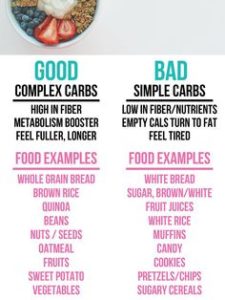
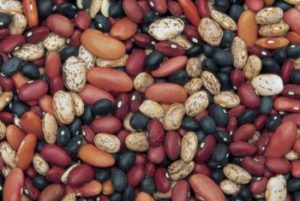
Complex carbs: Carb-containing foods that are in their whole, unprocessed form. Foods in this category include fruits, vegetables and legumes.
Simple carbs: Sugars and starches that have been refined and stripped of their natural fiber and nutrients.
Health benefits of Complex Carbs
Complex Carbs Are Less Likely to Cause Blood Sugar Spikes. Fiber-rich, complex carbs take much longer to break down than simple carbs. This helps keep blood sugar levels steady, as sugar reaches the bloodstream gradually. Because complex carbs are digested more slowly, they provide sustained energy and help you feel fuller longer.
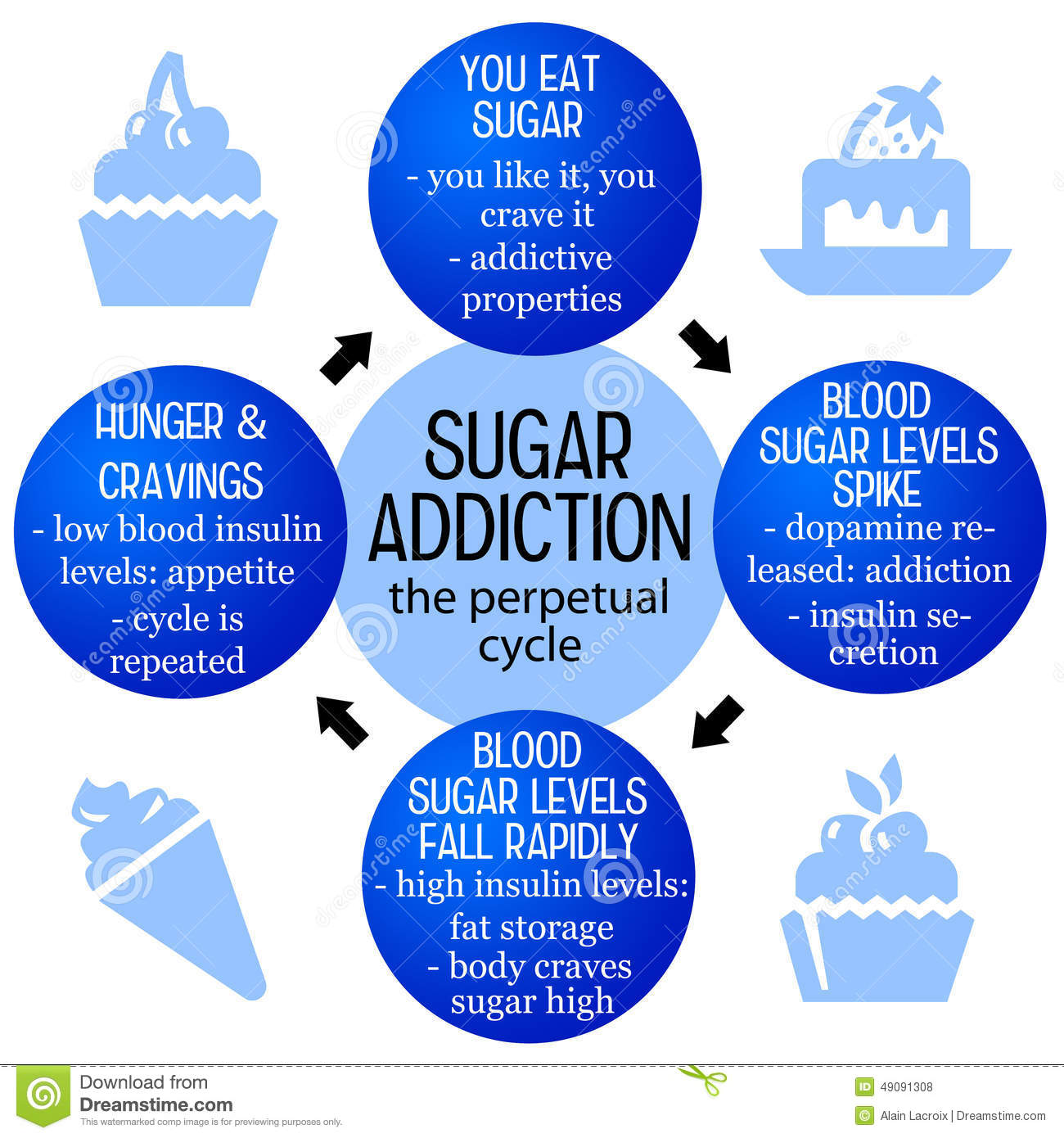
Simple carbs are digested very quickly, which causes a spike in your blood sugar. The blood sugar spike stimulates your pancreas to release a large dose of insulin, which often leads to a blood sugar “crash,” leaving you hungry and craving more sugar.
Complex Carbs May Reduce Your Risk of Some Chronic Diseases
Consuming complex carbs may help lower your risk of chronic diseases, such as diabetes and heart disease. They tend to be high in dietary fiber, vitamins, minerals, antioxidants and plant compounds. All of these components play a role in disease prevention.
Furthermore, studies have found that eating whole foods high in dietary fiber may lower “bad” LDL cholesterol and blood sugar levels, as well as help raise “good” HDL cholesterol.
Complex Carbs Promote a Healthier Digestive System
There are billions of “good” bacteria lining your intestines. They’re known as your gut microbiota. They play a role in managing several digestive disorders and have been linked to various other aspects of health.
Soluble fibers found in complex carbs feed the beneficial bacteria and increase their presence in your gut. They also help the bacteria produce nutrients, such as short-chain fatty acids, which are beneficial for digestive health.
Complex Carbs May Reduce Inflammation
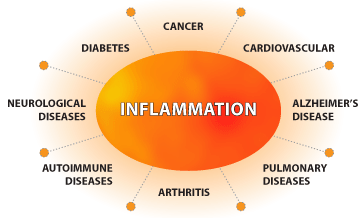
Inflammation is the body’s natural response to infection or injury. However, long-term inflammation can increase the risk of several chronic diseases. While sugary foods and refined flours promote inflammation, complex carbs help reduce inflammation.
Single-ingredient whole grains, fruits, vegetables and legumes contain fiber and plant compounds that have anti-inflammatory properties.
Simple Carbs Can Be Detrimental to Your Health
Simple carbs like refined grains and added sugars are horrible for your body.
They contribute to overeating: Simple carbs break down quickly and cause a blood sugar roller coaster. Studies have found that these blood sugar spikes and crashes contribute to cravings, hunger and overeating.
High triglyceride levels: Large amounts of refined carbs can lead to elevated triglyceride levels, which increase the risk of heart disease and type 2 diabetes.
Increased heart disease risk: Sugar and refined grains increase heart disease risk. A study found those who ate the most refined grains were 2–3 times more likely to develop heart disease than those who ate the least.
Increased risk of type 2 diabetes: Excessive consumption of simple carbs can cause your cells to become resistant to insulin, which greatly increases your risk of type 2 diabetes.
Sugar is addictive for some people: Similarly to recreational drugs, sugar causes the brain to release dopamine. For people that are prone to addiction, sugar can be highly addictive.
Increased chance of becoming obese: Simple carbs harm the hormones that regulate appetite, making them likely to contribute to obesity.
As a card carrying carb lover myself, I have learned to respect the immense power of my food choices not only on how I look, but more importantly how I feel and function. Eat carbs because they are good for you! But choose wisely because some are much better than others!
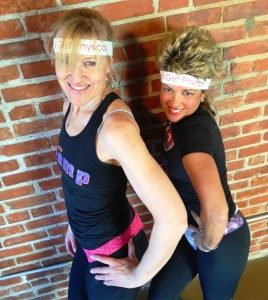
Take it from me, the Ex-Cardio Queen of Kansas City, “MORE” doesn’t always lead to “LESS” of you.
In fact, the opposite is quite true! Research solidly supports the concept of short interval high-intensity training followed by intervals of rest to be the most effective way to burn calories, lose fat and change your body fitness.
Why waste time and effort training wrong when you can maximize your workout results in half the time you once thought?
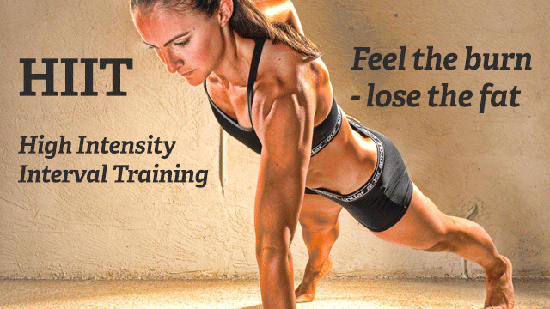
What is High Intensity Interval Training?
High-intensity interval training (HIIT) is a cardio respiratory and muscular training technique that alternates brief speed and recovery intervals to increase the overall intensity of your workout. HIIT is used by athletes and everyday exercise enthusiasts to reach performance goals and enhance fitness and well-being. How does it work?
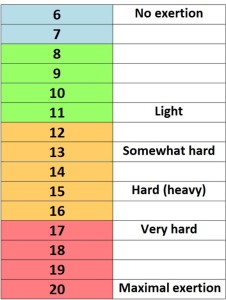
Most endurance workouts, such as walking, running, or stair-climbing—are performed at a moderate intensity, or an exertion level of 5-6 on a scale of 0-10. High-intensity intervals are done at an exertion level of 7 or higher, and are typically sustained for 30 seconds to 3 minutes, although they can be as short as 8-10 seconds or as long as 5 minutes; the higher the intensity, the shorter the speed interval. Recovery intervals are equal to or longer than the speed intervals.
High-intensity interval training is done at a submaximal level; around 80-95% of maximal aerobic capacity. Sprint interval training (SIT) is a type of high-intensity interval training that pushes beyond this level to 100% or more of maximal aerobic capacity, or an exertion level of 10.
High-intensity interval training may focus on cardio work only or ideally combine intervals of cardio and muscular training to yield maximal results. The surprising thing about HIIT is that it involves such a small total amount of exercise. By including HIIT in your exercise plan, you can realize remarkable results in a short amount of time, which is good news for busy people. What are the benefits of High Intensity Interval Training?
The payoffs of pushing yourself with HIIT are plentiful, and include:
Significantly increased aerobic and anaerobic fitness
Decreased fasting insulin and increased insulin sensitivity
Reduced abdominal and subcutaneous (just under the skin) fat
Shift in hormonal and physiologic changes that modify what you see in the mirror
Increased metabolism and calorie burn for up to 48 hours after the workout, depending on the intensity
What science has to say about HIIT
The exercise after-burn, or the calories expended (above resting values) after an exercise bout, is referred to as ‘excess post-exercise oxygen consumption’ or EPOC. This represents the oxygen consumption above resting level that the body is utilizing to return itself to its pre-exercise state.
The physiological mechanisms responsible for this increased metabolism include the replenishment of oxygen stores, phosphagen (ATP-PC) resynthesis, lactate removal, and the increased ventilation, blood circulation and body temperature above pre-exercise levels.
Studies have found that the magnitude (intensity of oxygen consumption) and duration (length of time the oxygen consumption is elevated) of EPOC is dependent on the intensity and duration of exercise. It generally takes anywhere from 15 minutes to 48 hours for the body to fully recover to a resting state.
Other factors influencing EPOC include training status and gender. It was also noted that several exercise method differences (e.g. seated versus a recumbent cycling, or exercise selection) contribute to a wide variance in time length of EPOC.
Is HIIT safe?
High-intensity exercise of any type brings with it a higher risk of musculoskeletal injury and cardiac events. But along with healthy subjects, HIIT has been studied as a training method for people with heart disease and congestive heart failure. Under clinical supervision, subjects were able to tolerate high-intensity intervals without negative effects. Most importantly, they experienced bigger improvements in cardiovascular function compared to those undergoing continuous moderate-intensity training.
The bottom line? HIIT may or may not be safe for you. Check with your health care provider before adding it to your exercise plan.
At Pilates 1901, we’ve made sure to offer a variety of Pilates based movements to allow you choice in your workout week.
Our classes employ the five basic principles of Pilates to help you get the most out of your workouts each time you attend a private or class session. We know that to get the most from your workouts you need to be focused, strong and connected. That’s what Pilates as a foundation provides for you.
If you are more seeking to get more intense, burn more calories in less time and see rapid results, we urge you to try out some our high intensity interval training classes:
Cardio Kettlebells
Cardio Sculpt
Power Sculpt
Zumba
Cardio Tramp* (requires reformer experience for entry)
You may have to work up to finishing in these workouts but the results and efforts are truly worth your time. And remember, it will take less of that too to give you more results!
You’ve heard it over and over: Sugar is bad for you.
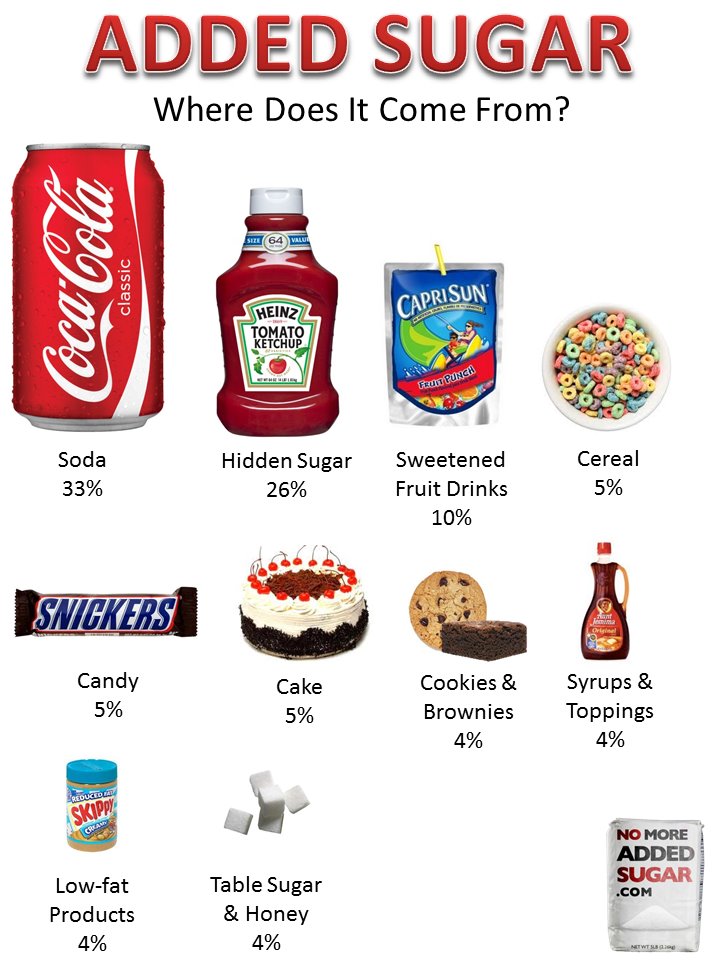
The more you have of it, the more you crave it. More than likely, the images that this statement conjures up include ice cream cones, candy bars and powdered donuts. But sugar is far more deceptive than to just find it’s way into your favorite sweet treat.
The problem is sugar is hidden in many foods you would not think included it! Here’s a recap of the show I did with Michelle Davidson and Joel Nichols about hidden sugars and their adverse effect on our health and well being.
Here’s more information about the adverse effects of sugar that wasn’t on the show.
The Truth: The adverse affects of sugar on the body run much deeper and dangerous than addiction and fat accumulation. While every individual is unique—meaning that the reason for your cravings may have to do with biological factors that are different for every person–what happens with sugar in the body follows a pretty basic formula:
When the body is constantly struggling to get this balance right, the demand for insulin release is TOO MUCH which ultimately results in our blood sugar dropping below normal levels. This is called hypoglycemia, aka…a sugar crash. We then consume more and the process starts again.
So you get it. The damaging affects of sugar begin with things like food cravings, food addictions, sugar crashes, depressed mood, fatigue, and irritability.
What exactly happens with that extra sugar?? It doesn’t just go away. It gets stored as fat. Storing fat isn’t just about your pants getting tight.
Here is what you may not know:
Sugar is made up of glucose and fructose. Glucose is cool because every cell in your body can metabolize it for energy. Fructose is unique because only the liver can break it down. There’s a whole lot more fructose hidden in the foods we eat than there is glucose. This one organ is doing all the work to metabolize the overabundance of fructose in the diet! It’s also the organ responsible for turning that unused sugar into fat deposits in your body.
WHAT’S BAD ABOUT THE FAT?? Excessive sugar causes the liver to make fat AND becomes insulin resistant! Then the danger escalates. Insulin is a hormone and if it’s not getting used, it gets turned to FAT too! Eventually, the pancreas stops releasing insulin because it can’t keep up with the demand either.
THEN WHAT?? Basically the body is in a state of crisis or chronic inflammation. The GOOD NEWS IS…what you eat has more power than just busting your sugar cravings and halting this vicious environment of inflammation. What you eat truly HARMS YOU OR it HEALS YOU.
Those processed foods and too much sugar created a toxic environment in your body. So you signed up for T School and started the process of deoxing from sugar. Just taking sugar away isn’t the only factor involved in reversing the toxicity. It’s what you add in!
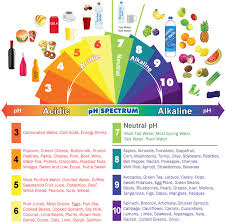
Food is your anti-inflammatory! Did you know that every food has a pH value?
This is a special scale created to measure how acidic or alkaline a fluid or substance is. It ranges from 0 (most acidic) to 14 (most alkaline) with 7 being neutral. The more alkaline a food is, the more detoxing it is. Alkaline foods feed and regenerate the body instead of deplete it. In addition, they are packed with live nutrients that help detoxify the body. You need both alkalizing and acidic foods.
It’s no surprise that the most highly acidic foods are sugar and refined, processed foods. When you do a detox from sugar, you are consuming foods that are highly alkalinic. The overly acidic environment is thus counteracted.
Not surprising, most fruits, vegetables and nuts are alkalizing! Some foods ARE really surprising! Did you know a lemon is actually highly alkalinic INSIDE the body?
Your body was meant to maintain a pH level between 7.35-7.45, so with every bite of food, you literally change the chemical make-up of your body! This will change depending on what foods/drinks you take in. Foods either maintain health(higher alkaline intake) or produce disease (higher acidic intake).
Wanna actually see your pH level? Test your pee! It will show the pH level in your body! This level will change depending on what foods/drinks you take in.
To test, you can actually buy Litmus strips at your local pharmacy or here. You simply dip a strip in a sample of your urine! The best times to check is your first and second urine of the day. Anything over 7.0 is alkaline. Anything under 7.0 is acidic. You should fall somewhere between 7.35 – 7.45 on the pH scale which is slightly alkaline. Yes, I’ve tried it and it works!
The best choice to maintain that healthy balance is to choose to eat real food! Eating food in it’s most natural form means it isn’t pre-packaged or processed, so prepping for a meal takes a little more time and planning. Some tips to get you started:
Start with small changes. Use a real food shopping list that you can simply check off the items you are going to buy for the week, like this one. Choose one day a week to prep food. Keep the prep simple like grilling chicken and chopping a few vegetables to add in salads and soup.
Learn a few simple recipes. Fewer ingredients and less cooking time is the way to go. If it takes over 30 minutes, save it for a special weekend meal! One pot meals, hearty salads and grilling fish and chicken are great examples.
Don’t get stuck in a food rut! You don’t have to eat the exact same thing at every meal. Try different herb seasonings or salad dressings, or add different vegetables to your favorite meals.
Use what is convenient! If you don’t have time to chop vegetables, buy the pre-cut. Buy frozen vegetables instead of fresh when you’ve got less time for prep. Trader Joe’s frozen riced cauliflower is a great example. You can use it in so many ways, but don’t have to do the cutting. Take advantage of pre-made meals that fall in line with your clean eating plan, like Caleb’s Evolve Paleo Chef!
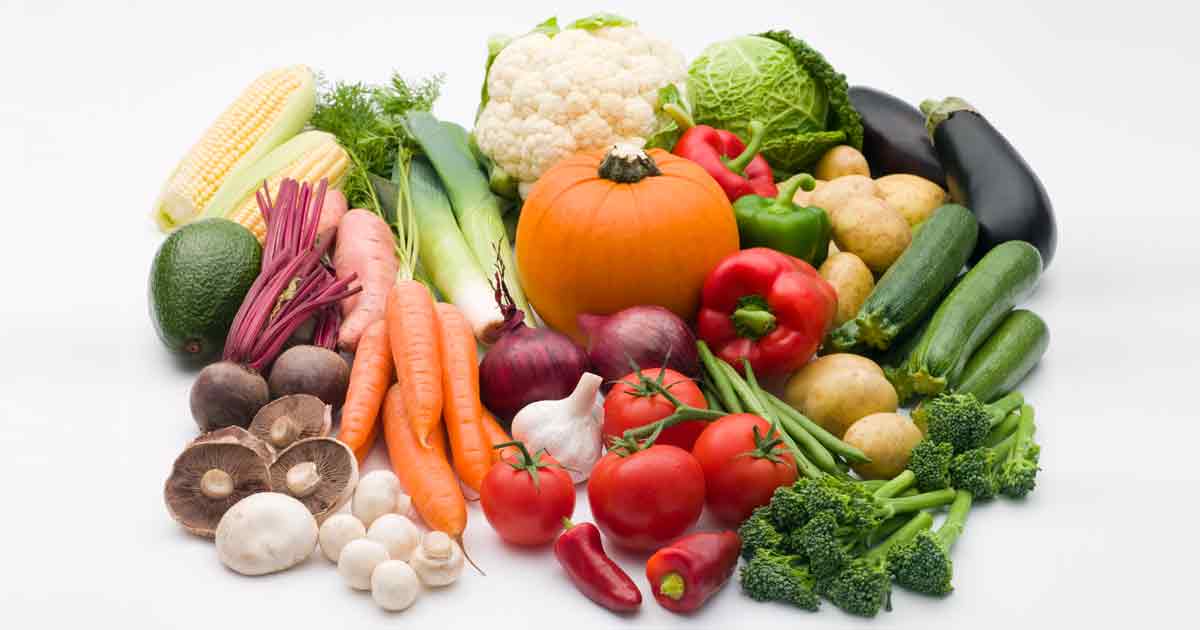
Balance Your Meal! The easiest way to ensure you are getting a good balance of the nutrients your body needs is to aim for one protein and two colors of vegetable with each meal!
Well, have no fear! It may sound like a fancy new diet, but it’s actually the nutrients we eat every day.
“Macro” means large. Macro-nutrients are the nutrients that provide calories (energy) that the body needs in large amounts for growth, metabolism and many other body functions.
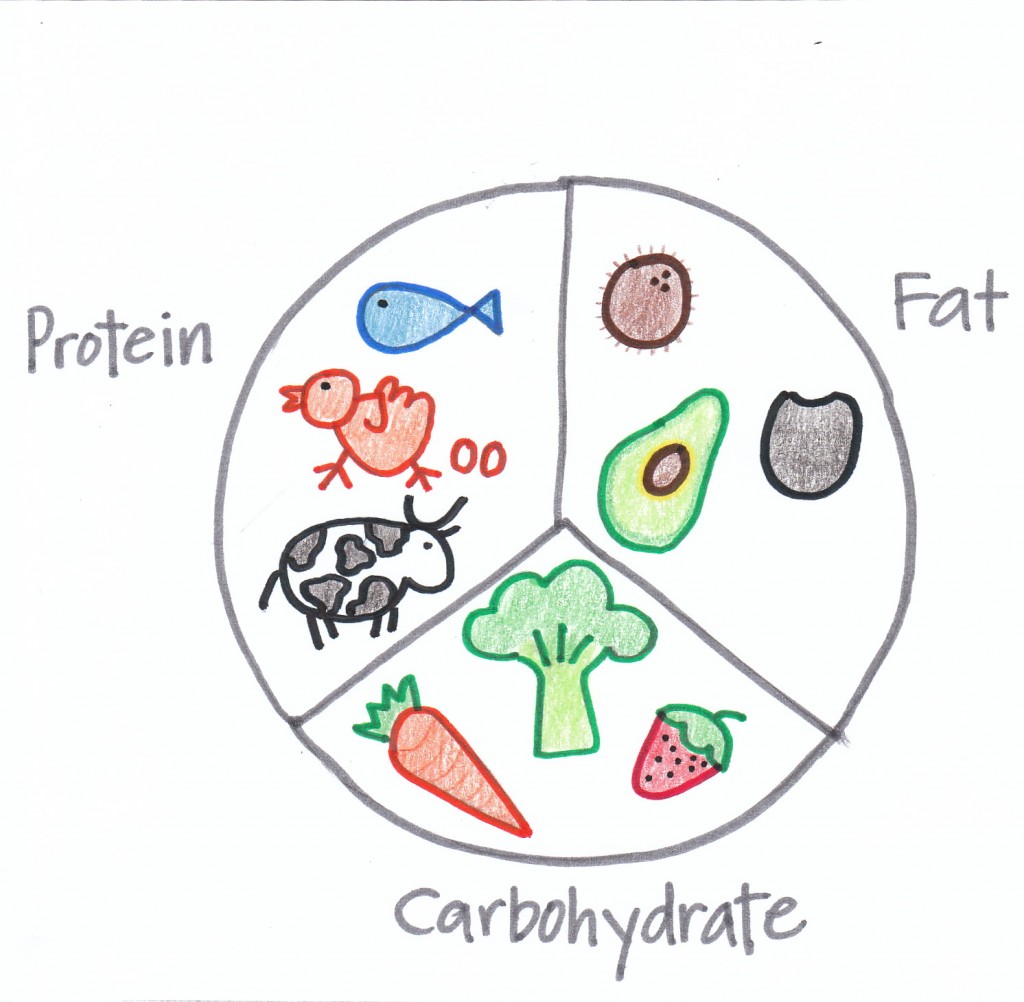
There are 3 macro-nutrients: Carbohydrates, Protein and Fat.
The amount of calories, or energy, that each one provides varies. Carbohydrates provide 4 calories per gram, Protein provides 4 calories per gram and Fat provides 9 calories per gram. The only other substance that provides calories is Alcohol at 7 calories per gram. Sorry folks, it’s not considered a macro-nutrient because we don’t need it for survival; according to some witty, stress-free, amazing dancer with perfectly normal relatives. However, let’s be real here and sort out our troubled relationship with these essential nutrients (and that supposed non-essential one).
Carbs vs. Fat
Seriously, why do we keep pitting these two against each other?!? Is it because we are scared that fat will make us fat? Is it the immediate gratification that packaged carbohydrates with their “low fat” promise provide? Probably. Guess what? Fats and Carbs are not your enemy. The real devil is in the details, so let’s take a look at the details…
HIGH QUALITY FATS play a key role in your brain development and health. 60% of your brain is composed of fat. 60% PEOPLE! It is necessary (are you catching on to its importance here?) for brain function, heart health, regulation of hormones, absorption of Vitamins A,D,E and K, decreasing inflammation throughout the body, growing muscle and even burning fat!
LOW QUALITY FATS play the opposite role. Basically what constitutes this category are man-made fats (think hydrogenated and partially hydrogenated oils) and refined seed oils. Think margarine, canola oil, safflower oil and sunflower oil. They aren’t just used to make french fries. You’ll find them in nearly every crispy, crunchy packaged food on the market.
Then what fats should we eat?
Fats in their most real form. Some of the best sources are avocado, coconut oil, almond butter, wild caught fish, raw almonds and walnuts, ghee, and organic, cold-pressed olive and nut oils.
The truth is, these high quality fats are so nutrient dense that it doesn’t take much to fill you up! Even better is that they metabolize slowly, keeping you full longer.
Now let’s look at carbohydrates.
HIGH QUALITY CARBS are complex carbohydrates. They are the most nutrient dense foods you can eat as they are loaded up with vitamins, minerals, fiber and antioxidants that protect you from sickness and chronic disease. Just like the high quality fats, they take longer for the body to digest, keeping you full longer. The best complex carbs are organic, color rich vegetables and fruits such as berries, oranges, spinach, carrots beets, and cauliflower.
LOW QUALITY CARBS are simple carbohydrates: Breads, pastas, cereals, sweet snacks, soda and alcohol and good ‘ol sugar. Also known as instant gratification. We all know this, but the pull of these carbohydrates is so strong, isn’t it? This is because their simple chemical structure enables them to so quickly be utilized for energy by the body, leading to a faster rise in blood sugar. Then comes an increased demand for insulin leading to all the stuff we hate: weight gain, low energy, digestive disruption, bloating and inflammatory disease. So much for that instant gratification. Obviously, refined sugar is by far the most nutrient void of them all and avoiding it is easier said than done!
“So, for real…. How do you expect me to avoid eating sugar? It’s everywhere!
It’s a no-brainer as to why you want to avoid sugar and it’s plague of problems. There are as many ways to avoid it as there are products containing it. Let’s narrow it down to a some easy strategies to avoid sugar:
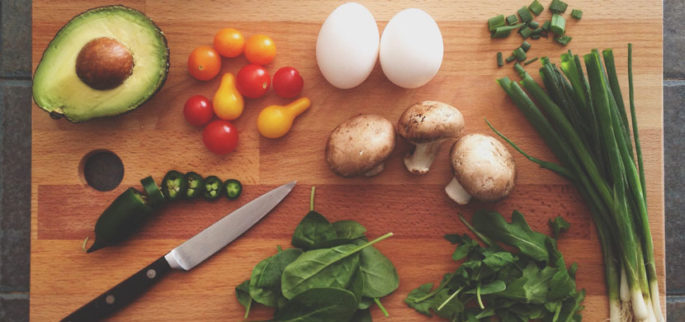
Crowd it out! Don’t think, “I’m avoiding… or I have to take away…”. Instead, crowd your plate with vibrant, nutrient-rich greens mixed in with your eggs, toss a handful into your smoothie, and blend plenty into your sauces and soups. Crowd your salad with colorful vegetables, half an avocado and some nuts or seeds tossed on top for extra protein. All those nutrient rich extras won’t leave room for sugar later. Why? Because your blood sugar levels will be running so steady, you won’t have that crazy 3 pm sugar crash.
Eat Real, Be Real. As real as sugar is with it’s sweet talkin’ taste, it’s promised satisfaction is fake. The food market doesn’t make it any easier as almost 75% of all packaged foods contain some form of sugar. That’s a lot of label reading. Pick food in it’s most natural form and you know exactly what you are eating and what you are not.
Be Intentional. Why are YOU avoiding sugar? Why did you join T School? Why do you want to be healthier? Don’t just think about what you want. Know WHY you want it. Write it out and read it out loud every day. It’s not that you can’t ever enjoy sugar, but deciding when to allow it and how it plays into your goals is essential to your health goals!
So, back to alcohol, you know, that NON ESSENTIAL for survival thing…
While alcohol does provide energy at 7 calories per gram, there’s plenty of debate about whether it’s truly useful for bodily functions. But we’re not debating here. We can all testify to it’s anxiety reducing, confidence boosting, dance producing effects. We also know it’s negative health consequences and after effects of getting smashed.
Again, what’s your intention? One drink a day for women and 1-2 drinks a day for men is a typical recommendation. But, what works best for you? Does that align with your goals or is it more of a slippery slope? Are you actually enjoying yourself or avoiding your true self?
Clarifying your intentions is powerful!
We can talk about macro-nutrients and plans and recommendations but the reality is we all get to choose the foods we put into our bodies. the way we move and the priorities we make important. Until we decide how to live from our deepest desires, all the information, education and suggestions are just words.
We all define our lives by our choices and our job as your T School coaches is to inspire you to live your lives according to the story you want to create with your life.
If you need help aligning your nutritional plan with your health and life goals, we are here for you.
Ask for more specific help from your accountability partner or one of our health coaches. This is what community is all about- improving the lives of all through the shared vision of all. And all of us want to live fully, healthfully and without regrets.
You know the story. You embark on a new fitness routine. You’re pumped up and you’re ready to lose that body fat once and for all!
You make yourself get up an extra hour every day to walk on the treadmill, do the elliptical, or ride your bike. You work yourself up to 45 to 50 minutes and you start to sweat. You may feel better. You may sleep better. You may even notice your energy and outlook are better. But what about your body fat? What’s happening (or not happening) there.
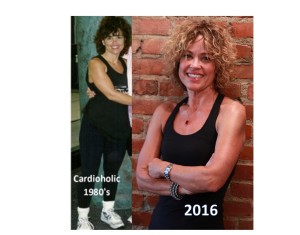
Many of you know that I have been a self confessed Cardio Junkie for nearly 30 years. As someone who came into this business during the 80′s (the era of Jane Fonda, leg warmers, thongs and dance aerobics), I fell into the trap of believing cardio was the key to my own fat loss, fitness and health. I worked out every day, for hours a day, sometimes teaching as many as 3-4 aerobic classes per day, and guess what, I was still too fat! (The low fat, high carbohydrate diet of the day didn’t help much either).
The point is, I was working out hours a day doing every kind of cardio you can imagine, AND I WAS STILL FAT! I just don’t want my clients to make the same mistakes I did! The fact is, you can get TWICE THE RESULTS in HALF THE TIMEby simply changing the way you do cardio!
Check out my segment on KCLIVE with Michelle Davidson about the Top Six Myths of Cardio and why they may be making you FAT instead of FIT!
So what about the formula: Eat less + increase activity=weight loss.???Sorry folks, but it is not true.
In fact, if you follow this myth of weight loss, you will end up stranded somewhere, frustrated that you didn’t reach your weight loss goal. Or, even worse, you find yourself back to where you began, or even more overweight than when you started. Let put this stubborn concept to rest once and for all.
I repeat, Eat Less + Increase Activity DOES NOT EQUAL Weight Loss.
“How is this possible,” one might ask? Cardio burns calories right? And less calories equals fat loss right? That is where many people are mistaken. Yes, consuming less calories than you burn each day will result in weight loss but not necessarily fat loss. “What is the difference,” you say?
Well, here it is. If you lose weight without regard to the amount of fat you have, chances are you will look the same (i.e. love handles, flabby thighs and arms that continue to wave long after your hand has finished). You will be smaller,yes, (also known as “Skinny Fat”) , but is that really what you want? Probably not. You want to look toned and healthy and without visible fat stores that make up a body that looks out of shape.
So now that we have established the difference between weight loss and fat loss, how can we make sure the weight we lose is fat? Besides having the proper diet, which is the key to losing fat, we look to exercise to supplement this goal. Typically, every client I have ever trained, has come to me prepared to do endless hours of cardio exercise. Most people just can’t seem to get it through their head that not only don’t they have to spend hours on the treadmill, but that they shouldn’t.
Here is why. When you get on that treadmill, bike, or elliptical trainer, your body begins to use energy. This is fantastic. Going faster makes your lungs and heart work harder to keep up with the intensity, thereby making them stronger and more efficient the more often you do this. That’s great too. Now, eventually, after all your recently ingested energy is consumed, your body will look elsewhere for energy to fuel you.
Now is the point where it gets tricky. Want your body to use fat for fuel? This means going slow-like you’re running a Marathon rather than running fast and hard like in a sprint race.
Most of you have all seen the little diagrams on most cardio equipment. Here is your “fat burning zone”, here is your cardio zone. These diagrams are correct. When you get into the cardio heart rate zone, your body will eventually become catabolic, which means it will start burning muscle for fuel. This is especially true if you don’t use your muscles to do resistance training, (like Pilates) on a regular basis.
When you go slow and keep your heart rate in the “fat burning” zone, your heart and lungs no longer have to work as hard, so they aren’t getting stronger anymore. Furthermore, your calorie burn rate drops down to a point where you have to stay on that dang machine for two hours to burn off the calories equivalent to what you ate for breakfast!
So, based on this information, most people tend to think that going faster will kick that calorie burn up. And as long as we are going faster, lets go longer and really amp up that weight loss for faster results. The only problem is, this is how you end up with too much body fat!
If you burn muscles as an energy source, you also burn up your potential to burn more calories in the future. Muscle requires more energy (FOOD!) to sustain itself, so if you are using your muscles as fuel, you are in effect lowering your metabolism. Furthermore, the better your heart and lungs function, the more effective they become at the fast paced cardio, the less calories you will burn over time doing the same amount of cardio. So now you end up having to do more cardio to equal the calories burned when you first began this exercise routine.
SO WHERE DOES THAT LEAVE US? We have less muscle and burn less calories than we did when we stepped foot in the gym. Now, our weight loss progress has all but stopped, so we get discouraged, and quit going to the gym. Most will probably give up on their diet to boot.
And here is where it gets tragic. Since we’ve lost muscle mass our metabolism is slower. Then we quit eating healthy and go back to the way we were eating before. And guess what? Any weight we may have lost comes back and then some since our calorie burning ability has diminished. Can anyone say yo-yo diet?
Now the excuse becomes, “I tried diet and exercise, and it didn’t work for me at all!”
So now that you are completely discouraged and don’t know what to do, here is the light at the end of the tunnel. Losing fat isn’t really that difficult if you know what to do. Keep that anti-inflammatory Paleo diet, do resistance training (Pilates) a few times a week, and if you want to boost your calorie burn, have a cardio routine that works for you instead of against you.
The answer is High Intensity Interval Training (HIIT), and it is the only type we ever prescribe for my clients at Pilates 1901. Interval cardio is short bursts of high intensity work immediately followed by brief periods of rest, for 20 to 30 minutes. No more than that!
This type of cardio has loads of benefits. Your heart and lungs get the required demand put upon them to make them stronger. You don’t stay in the high cardio range long enough to burn muscle. You exercise your heart rate recovery (HRR) which trains your body to be able to recover from intense exercise quicker. And the kicker? Multiple studies have shown this type of training is proven to keep your body burning more calories for up to 24 hours after your workout!
Now is the time to forget the notion that more is better when it comes to cardio. Don’t spend hours on the machines and put yourself at risk for failure in the battle against fat. Use the HIIT philosophy to maximize your time in the studio and not only start seeing results but keep seeing them. You’re too busy to waste time! Sometimes LESS really is MORE!
If you are new to interval based cardio workouts there is some good and bad news. The good news is that you are in and out very quickly. The bad news is that you have to work a lot harder.
But don’t worry. We aren’t interested in how high your heart rate is as much as your perceived exertion.
The RPE (Rate of Perceived Exertion) scale rates your perception of the work from 1 (easy) to of 10 (running for your life), so everyone is equal on the chart. This means if you feel you are at an 8, you are working relatively as hard as any professional athlete based on this scale.
HIIT Workouts combine intervals of lower intensity cardio and higher intensity cardio or intervals that combine cardio and weight training intervals.
Our Kettlebell, Cardio Tramp and HIIT workouts are perfect examples of this type of training, alternating cardio and resistance intervals to give you one fast, effective and fat burning workout in under 30 minutes!







 In our last T School Intensive discussion about the importance of keeping track of your food, exercise and sleep, one of our participants asked how best to record our exercise calories burned in the
 HIGH-INTENSITY INTERVAL TRAINING (HIIT) IS THE MOST EFFECTIVE WAY TO STIMULATE THE EPOC EFFECT.
 SO HOW TO KEEP THIS SIMPLE IN MY FITNESS PAL?
 THE BOTTOM LINE

 Is Sitting the New Smoking?
 Health Risks of Sitting too much
 Increases your risk for cancer.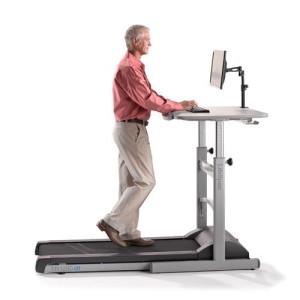





 Is Eating Fat Bad for You?
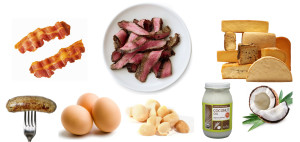 “Saturated Fats” found in animal products like milk, meat, cheese, lard, and butter may also be found in plant sources like coconuts. Saturated fats are usually solid at room temperature and have been credited with increasing our risk for heart and cardiovascular disease. That’s because the research showed that eating saturated fats increased our blood fats and cholesterol which was associated with greater risk for heart disease.
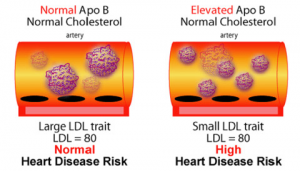 Further, scientists have discovered that our LDL lipoproteins come in two sizes and consistencies, small and dense and large and fluffy,
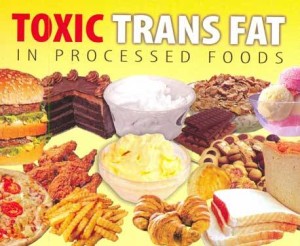 The real enemy in fighting fat is avoiding Transfats at all cost. Trans fats are man made hydrogenated oils that were designed to help extend shelf life of processed foods. Trans fat is often found in margarine, baked goods, prepared cookie dough and biscuits, and commercially fried foods and snack chips

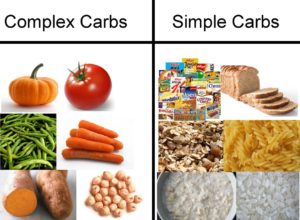 Complex carbs: Carb-containing foods that are in their whole, unprocessed form. Foods in this category include fruits, vegetables and legumes.
 Health benefits of Complex Carbs
 There are billions of “good” bacteria lining your intestines. They’re known as your gut microbiota. They play a role in managing several digestive disorders and have been linked to various other aspects of health.
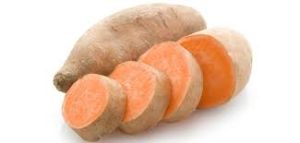 Inflammation is the body’s natural response to infection or injury. However, long-term inflammation can increase the risk of several chronic diseases. While sugary foods and refined flours promote inflammation, complex carbs help reduce inflammation.
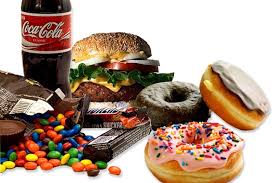 Simple carbs like refined grains and added sugars are horrible for your body.
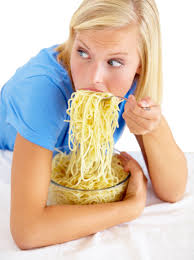 Increased heart disease risk: Sugar and refined grains increase heart disease risk. A study found those who ate the most refined grains were 2–3 times more likely to develop heart disease than those who ate the least.
 Take it from me, the Ex-Cardio Queen of Kansas City, “MORE” doesn’t always lead to “LESS” of you.


 l scale created to measure how acidic or alkaline a fluid or substance is. It ranges from 0 (most acidic) to 14 (most alkaline) with 7 being neutral. The more alkaline a food is, the more detoxing it is. Alkaline foods feed and regenerate the body instead of deplete it. In addition, they are packed with live nutrients that help detoxify the body. You need both alkalizing and acidic foods.