WHY MY SIBO CAME BACK

When your gut gets stuck:
What I learned about SIBO after hip surgery…

After my hip replacement, I expected the usual post-surgery challenges: pain, swelling, restlessness, the humbling dance of trying to get out of a chair with dignity.

What I did not expect was a gut rebellion.

Like many people after surgery, I was given pain medication. Necessary? Yes. Helpful? Absolutely. 

But pain meds can also slow motility — the natural wave-like movement that keeps food, waste, and bacteria moving through the digestive tract. When that movement slows down in the small intestine,  bacteria that normally belong farther down in the colon can flourish where they do not belong.

That is the basic idea behind SIBO: Small Intestinal Bacterial Overgrowth.

I’d experienced this before but not for many years. That’s why I was surprised and dismayed to discover I had the symptoms again.

Learning more, I realized how many people may be walking around bloated, uncomfortable, constipated, gassy, exhausted, and told, “It’s probably just IBS,” when something else may be the culprit.

What is SIBO?
SIBO happens when there is an abnormal amount or type of bacteria in the small intestine.  A healthy small intestine is relatively low in bacteria compared to that in the colon. When bacteria overgrow in the small intestine, they ferment food before your body can properly digest and absorb it.

The fermentation creates gas, pressure, bloating, bowel changes, inflammation, and, for some, nutrient absorption issues.

The American College of Gastroenterology (ACG) says SIBO often presents symptoms like gas, bloating, abdominal pain, diarrhea, and sometimes constipation, and that risk can increase when normal gut movement is disrupted.

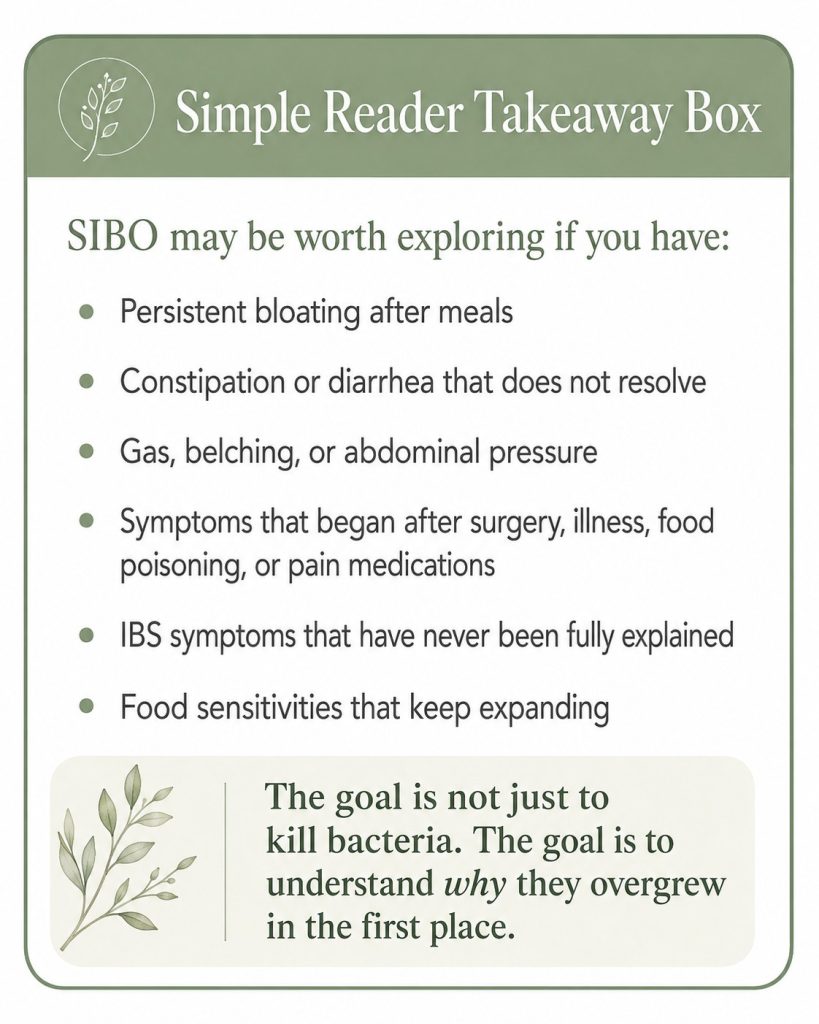
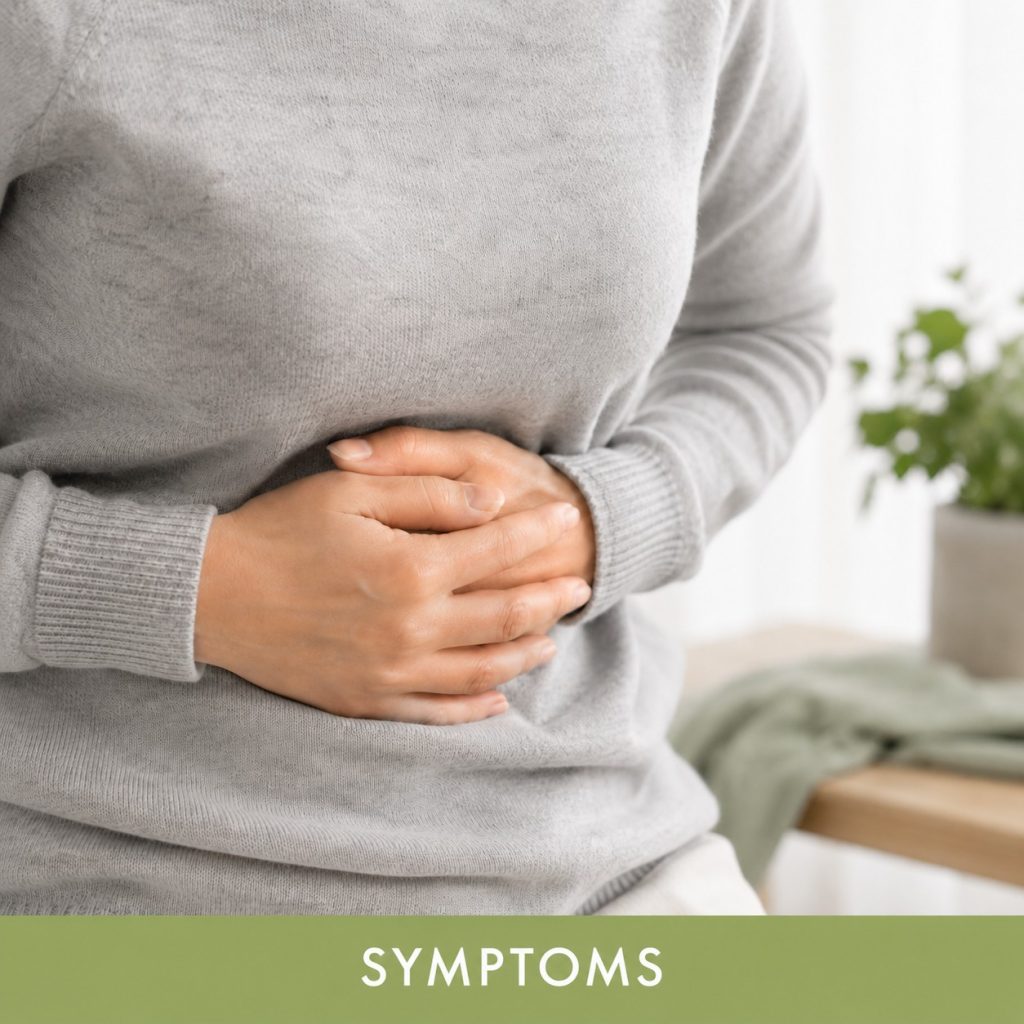
SIBO can look different from person to person, which is part of why it gets missed. Common symptoms include:

  • Bloating, especially after meals
  • Excessive gas or belching
  • Constipation, diarrhea, or alternating between the two
  • Cramping or abdominal discomfort
  • Nausea
  • Reflux-like symptoms
  • Food sensitivities that seem to multiply overnight
  • Feeling overly full after eating
  • Fatigue or brain fog
  • Unexplained nutrient deficiencies in some case

Hydrogen-dominant SIBO is more often associated with diarrhea. Methane overgrowth — now often called intestinal methanogen overgrowth, or IMO — is more often associated with constipation. Some people have both.

And because these symptoms overlap with IBS, food intolerances, stress-related digestive problems, and “normal aging,” many people are never properly evaluated.

Why It Happened After My Surgery

After surgery, several things can slow the gut:

  • Pain medications, especially opioids
  • Anesthesia-induced constipation
  • Inflammation and physical stress
  • Changes in eating patterns
  • Disrupted sleep
  • Less movement and walking
  • Increased stress on the nervous system

Our gut health depends on movement. Not just exercise, but internal movement — the “housekeeping waves” that sweep through the small intestine between meals. When those waves slow down, bacteria can linger and multiply.

This does not mean everyone who takes pain medication after surgery develops SIBO. But for some of us, especially if we’ve already experienced a sensitive gut via constipation, stress, or prior digestive issues, surgery can be the thing that tips the system over.

Why SIBO Is So Often Missed

SIBO is tricky for several reasons. First, the symptoms are common and vague.  

Bloating, constipation andand gas are often brushed off as “just IBS, stress,” or “what happens when you get older.”

Second, testing is imperfect. Breath testing is the most common noninvasive test, usually using lactulose or glucose to measure hydrogen and methane gases. But breath tests can be hard to interpret. Lactulose breath testing in particular can be influenced by how quickly material moves through the intestines, and Mayo Clinic has highlighted ongoing debate about the accuracy and limitations of breath testing.

Third, many providers are not deeply trained in SIBO, motility, or methane-related constipation. Some are skeptical because the testing is imperfect. Others may treat it once but not address why it happened, which sets people up for recurrence.

And finally, people normalize gut misery. We joke about bloating. We buy bigger pants. We avoid restaurants. We cut out more and more foods until our diet becomes tiny and joyless. 

But chronic bloating and bowel disruption are not something we should have to simply endure.

  • Testing: Helpful, But Not Perfect

The most common SIBO test is a breath test. You drink a sugar solution — usually lactulose or glucose — and then breathe into collection tubes over a few hours. The test measures gases produced by microbes.

The main gases are:

  • Hydrogen: often linked with diarrhea-type symptoms
  • Methane: often linked with constipation and slower transit
  • Hydrogen sulfide: a newer, more complex area, sometimes associated with rotten-egg gas, diarrhea, or sensitivity to sulfur foods.

Care to guess what symptoms I had?  

My husband was happy that I had to sleep in the recliner!

Breath testing can be useful, but it is not flawless. Glucose may miss overgrowth farther down in the small intestine because it gets absorbed earlier. Lactulose may create false positives because it travels into the colon and reflects transit time as much as small-bowel fermentation. Major GI groups acknowledge breath testing is commonly used, but also recognize its limitations.

In plain English: a breath test can be helpful, but it should be interpreted by someone who understands symptoms, timing, gas patterns, constipation, medications, and the bigger clinical picture.

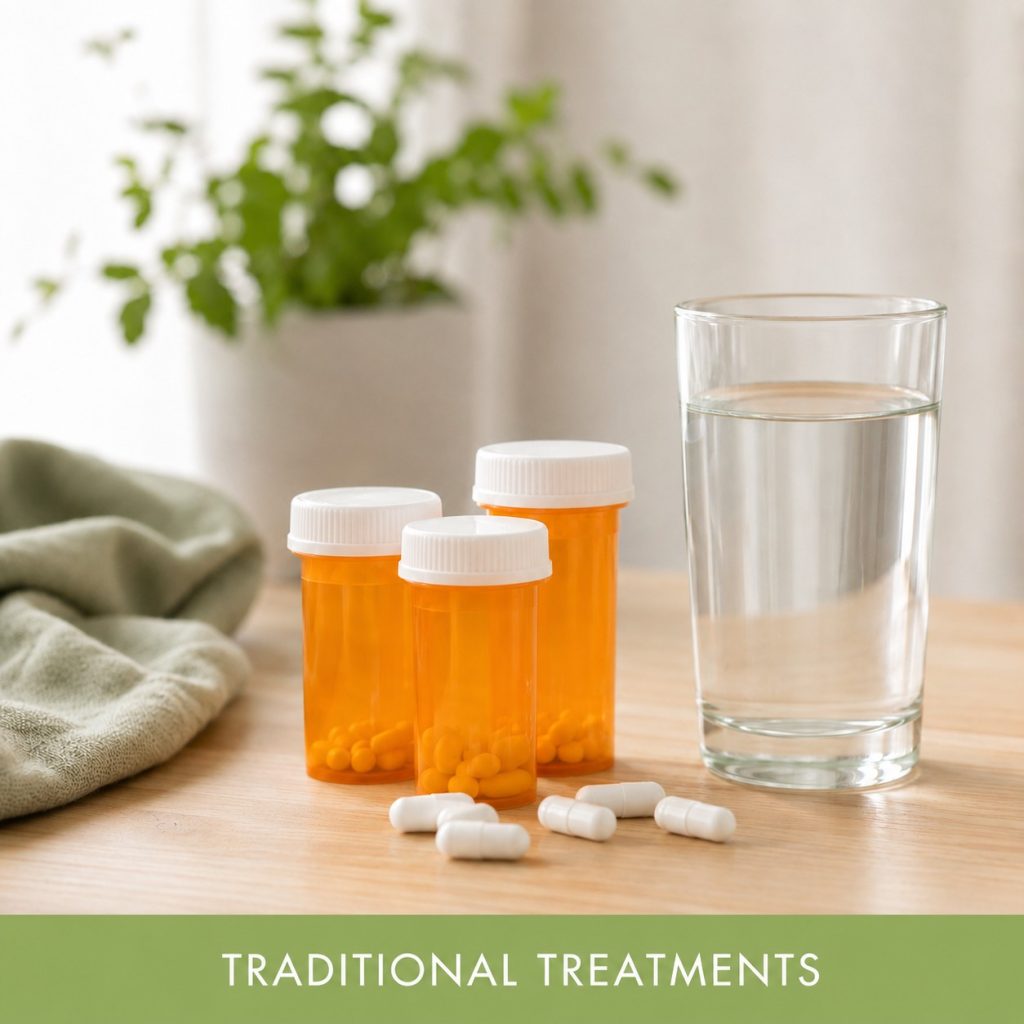
The conventional medical approach often includes antibiotics, especially rifaximin, which is commonly used because it stays mostly in the gut rather than being broadly absorbed into the bloodstream.

For methane-dominant cases, some providers combine rifaximin with another antibiotic, such as neomycin or metronidazole, depending on the patient and risk factors. This is something to discuss carefully with a qualified medical provider.

The American Gastroenterological Association emphasizes that treatment should not only focus on antibiotics, but also on identifying and correcting underlying causes, treating nutritional deficiencies when present, and addressing the factors that allowed SIBO to develop in the first place.

That last part matters.

Because killing bacteria without improving motility is a little like cleaning up water from a leaky pipe without fixing the pipe.

I took three rounds of rifaximin with very little symptom relief before I switched to the herbal remedies I learned about in my functional nutrition course studies.

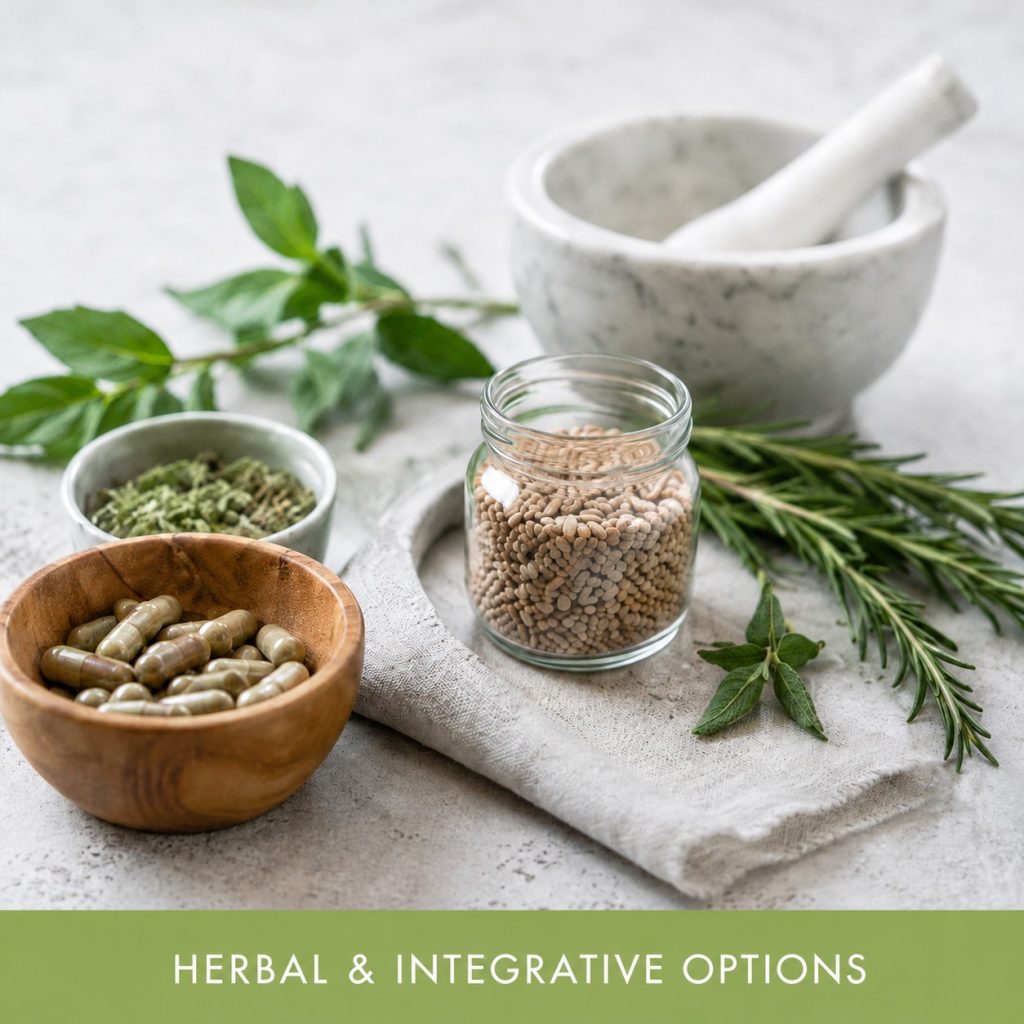
Herbal and Integrative Treatment Options

Integrative and functional providers often use herbal antimicrobials either instead of, or sometimes after, conventional antibiotics.

Common herbal tools may include:

  • Oregano oil
  • Berberine-containing herbs
  • Neem
  • Allicin from garlic extract
  • Cinnamon/clove blends
  • Atrantil-style botanical blends for methane symptoms
  • Digestive bitters or enzymes in selected cases

These herbs can be very powerful. “Natural” does not always mean gentle. Herbal antimicrobials can irritate the gut, interact with medications, affect blood sugar or blood pressure, and may not be appropriate for everyone.

There is some research comparing herbal therapies with antibiotic therapy, but the evidence base is not as strong or standardized as it is for prescription treatment. So I would place herbal therapy in the “potentially helpful, but best guided by an experienced clinician” category — not the “throw oregano oil at your bloating and hope for the best” category.

This approach is super tempting when you can’t button your pants and you smell like a diaper.  

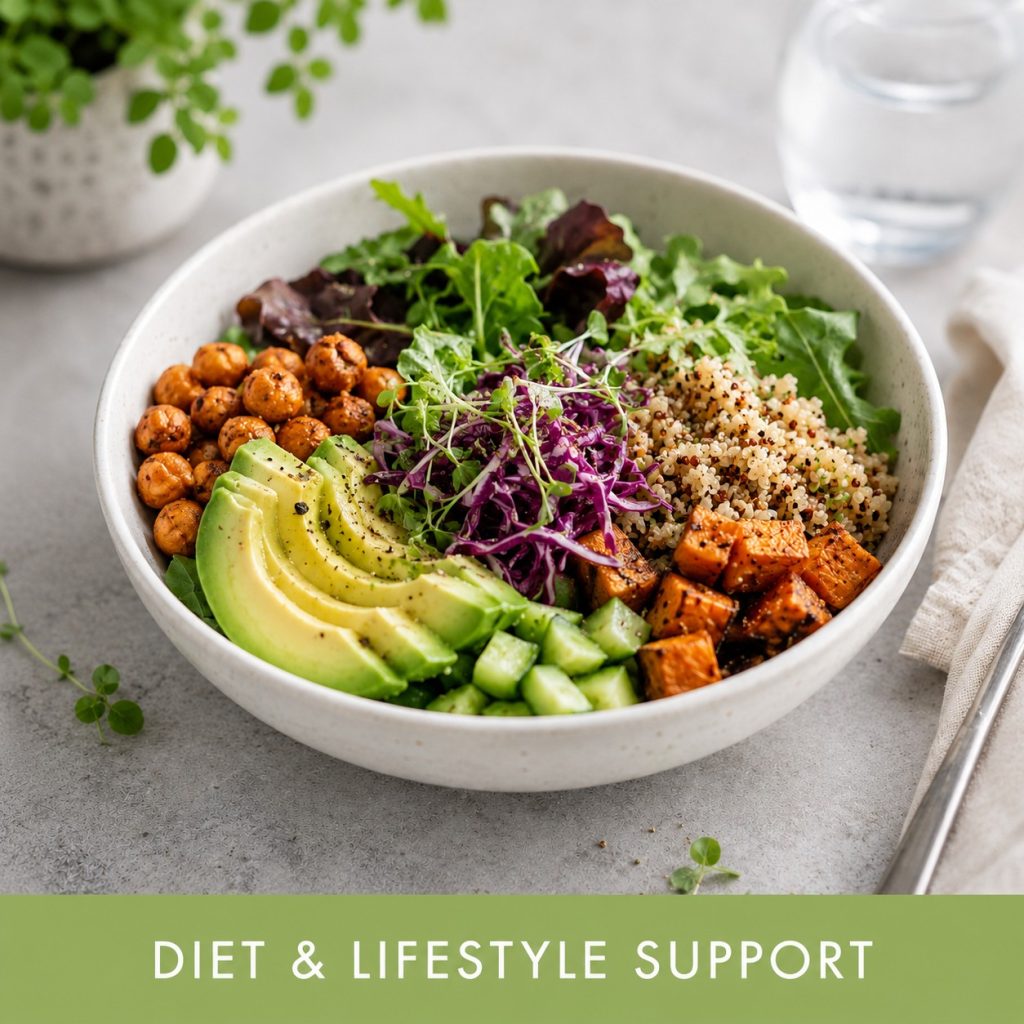
Diet: Helpful, But Not the Whole Cure

Diet can reduce symptoms, but diet alone rarely fixes the underlying issue if motility is the driver. In fact, fasting longer between meals is often recommended to help starve the bacteria.

Eating a diet that reduces the sugar and fermentable foods the bacteria feed on, can calm bloating and gas.

If fasting and a low FodMap diet isn’t enough, I’ve used special meal replacement shakes called “The Elemental Diet” as they provide critical nutrition without digestive stress.

It’s restrictive and unrewarding, but it has helped me speed

up my healing. 

Introducing foods back into your diet that are easy to digest and well-tolerated can take some time but your body will always give you feedback.

A good SIBO plan should strive to starve overgrowth bacteria, improve motility, restore regular bowel movements, and support digestion.

I extended the time between meals, ate foods that I could tolerate and took MotilPro, a supplement containing ginger, Vitamin B6, Acetyl-L Carnitine, and 5-hydroxytryptophan between meals to help speed motility. 

I also drank GI Revive, a great mix of soothing herbs and minerals for intestinal support.

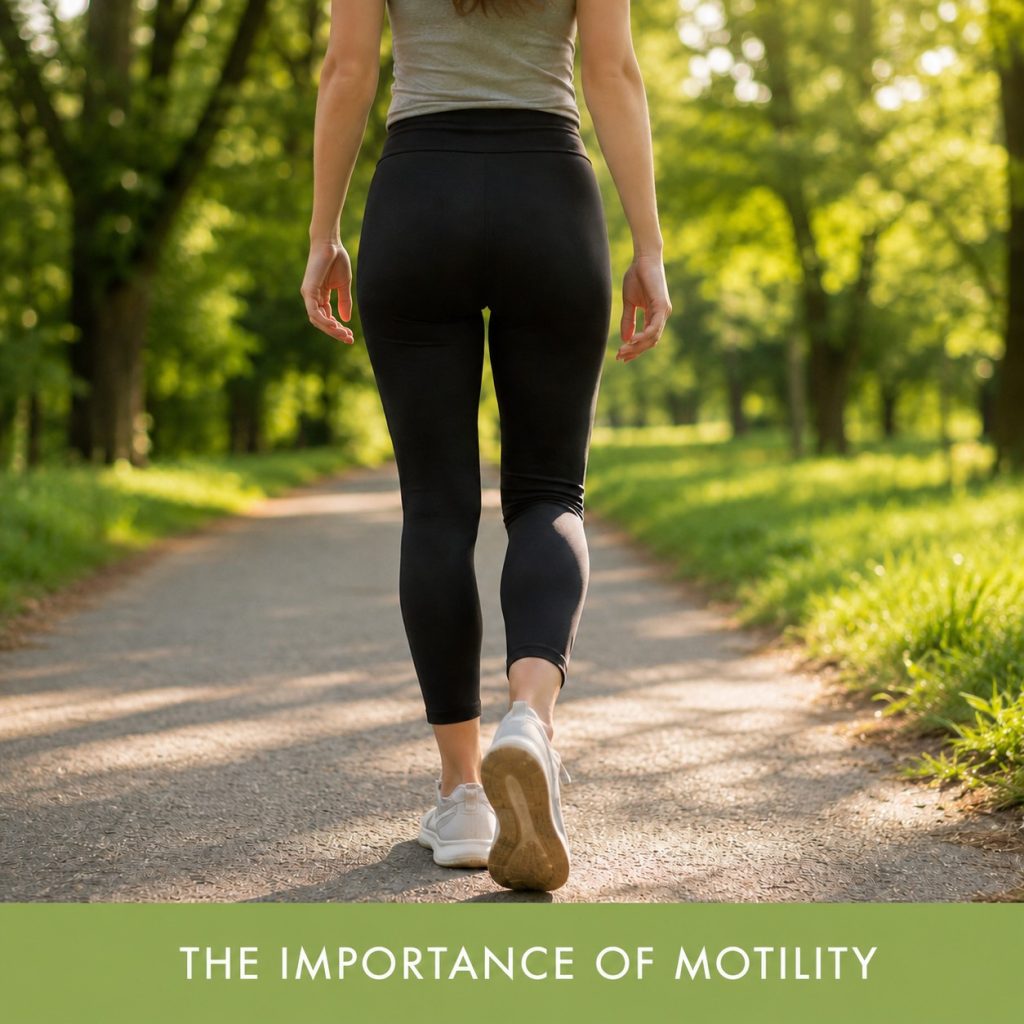
Motility: The Missing Piece

Motility is the quiet hero of gut health.

When motility is working, the small intestine clears itself between meals. When it slows down, bacteria and food particles linger.

That stagnation creates the perfect environment for fermentation, bloating, and overgrowth.

Luckily, there are a lot of ways we can support our gut motility,

  • Regular walking, especially after meals
  • Resolving constipation
  • Spacing meals out
  • Adequate hydration and minerals
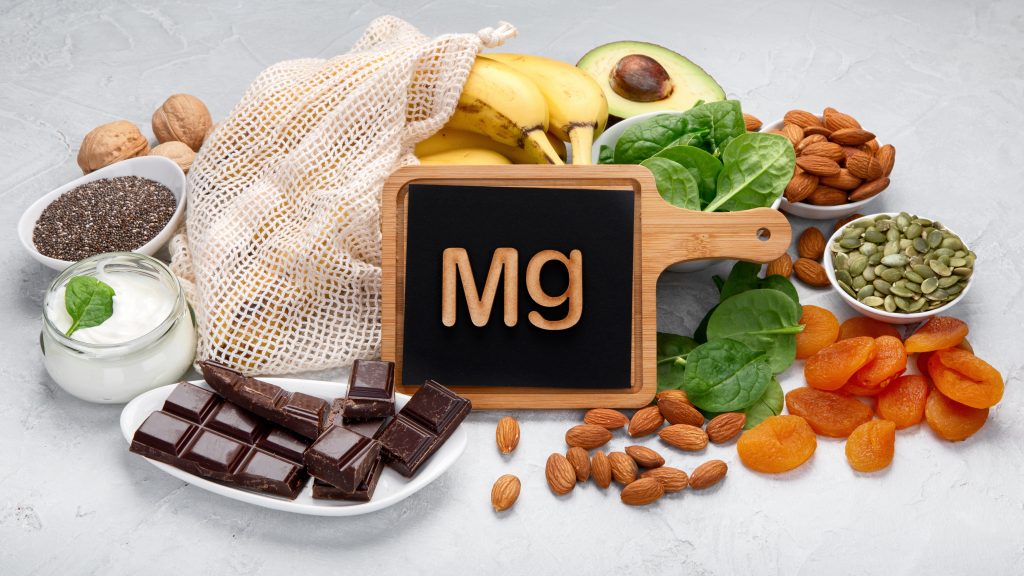
  • Magnesium for stress and constipation
  • Pelvic floor therapy if evacuation is difficult
  • Thyroid and blood sugar evaluation
  • Prokinetic medications or natural prokinetic supports (MotilPro)
  • Nervous system regulation

When SIBO flares again.

SIBO often recurs because the original cause was never fully addressed. Antibiotics or herbal antimicrobials may reduce bacterial overgrowth, but if the underlying terrain remains the same — slow motility, low stomach acid, sluggish digestion, chronic constipation, stress, inflammation, or poor sleep — the overgrowth can return.

Common recurrence drivers include:

  • Frequent antibiotic use
  • Surgery and anesthesia
  • Opioid or pain-medication use
  • Hypothyroidism
  • Autoimmune conditions
  • Poor sleep and chronic stress
  • History of food poisoning or post-infectious IBS
  • Overuse of acid-blocking medications
  • Underlying inflammatory or digestive disorders
  • Low stomach acid
  • Frequent snacking
  • Diabetes or blood-sugar issues
  • Scar tissue or structural changes after abdominal surgery that may interfere with healthy gut motility
  • Sedentary lifestyle
  • Chronic constipation
  • Pelvic floor dysfunction

The American College of Gastroenterology notes that SIBO can recur after treatment and may require repeat treatment.

That is not failure. It is information.

It means the long game is not just to “kill the bugs.” The long game is to restore digestion, support motility, and help the gut move the way it was designed to move.

My hip replacement created the perfect storm for my SIBO symptoms to return. I already had some of the common risk factors: hypothyroidism, a history of elevated stress, and low stomach acid. Then came anesthesia, antibiotics, pain medication, constipation, and the temporary inability to exercise. My gut slowed down, and my symptoms flared.

It helped me understand SIBO in a new way. Sometimes the issue is not simply what we ate. Sometimes the better question is: what stopped moving, and how do we help it move again?

Emerging Treatment Options

There is also growing interest in newer gut-health therapies, including peptide therapy.

Peptides such as oral BPC-157 and KPV are being discussed for their potential roles in tissue repair, inflammation modulation, gut lining support, and recovery after irritation or injury. That said, this is still an emerging area.

Much of the enthusiasm comes from preclinical research, early clinical experience, and practitioner observation rather than large, well-controlled human trials. 

BPC-157, in particular, has limited human safety data and is not FDA-

approved for treating gut conditions.

KPV is also promising in theory, especially around inflammation, but human data remains limited.

These therapies should be considered experimental and used only with a knowledgeable, qualified provider who understands dosing, sourcing, safety, medication interactions, and when a deeper medical workup is needed.

I am currently taking a six week course oral BCP157 with the guidance of my doctor and will keep you posted on my experience as it unfolds.

When to Ask for Help

Consider talking to a qualified provider if you have persistent bloating, constipation, diarrhea, abdominal pain, unexplained food reactions, or symptoms that began after surgery, illness, food poisoning, or a major medication change.

Also seek medical evaluation promptly if you have red-flag symptoms such as unexplained weight loss, blood in the stool, persistent vomiting, fever, anemia, severe pain, or symptoms that wake you at night.

Not everything is SIBO. And that matters too.

Celiac disease, inflammatory bowel disease, pancreatic insufficiency, bile acid diarrhea, colon cancer, ovarian issues, thyroid disease, gallbladder problems, and medication side effects can all mimic digestive disorders. A good clinician should help rule out what needs ruling out.

The Bigger Takeaway

SIBO is not just a trendy gut diagnosis. It is also not the answer to every digestive complaint.

It lives in that frustrating middle place where the symptoms are real, the testing is imperfect, the treatment can help, and recurrence is common if the deeper causes are ignored.

For me, the lesson was this: after surgery, my body did not just need pain control. It needed movement and motility, yes. But it also needed support for the larger gut terrain — digestion, inflammation, the microbiome, the gut lining, the nervous system, and the slow return to normal rhythm.

The gut is not separate from the rest of the body. It responds to surgery, stress, medication, sleep, food, hormones, inflammation, immune function, and the nervous system.

Sometimes healing is not about adding one more supplement or chasing one more protocol.

Sometimes healing begins by asking:

  • What changed?
  • What got disrupted?
  • And what does the whole system need in order to recover?

Because real gut healing is rarely about forcing the body into compliance.  It’s about helping the body remember how to function again.

Gentle Disclaimer

This post is for education only and is not medical advice. SIBO testing and treatment should be guided by a qualified medical provider, especially if you have significant symptoms, recent surgery, chronic illness, medication use, or unexplained weight loss, bleeding, fever, anemia, or severe pain.

Until next month, remember, small changes count, consistency wins, and you are not behind.

Text me:  913 963 8546 
Email me: Tina@tinasprinkle.com
Access my newsletter archive

Welcome to the archive

This page is my little corner of the internet where I keep all past Tina’s Monthly Freebies + Resources in one place. No algorithms, no noise—just helpful health insights, simple action steps, and the occasional “here’s what I’m learning lately.” Browse by month, click what’s relevant, and come back anytime.

2026

JANUARY 2026: THE FACELIFT DIARIES AND MORE

FEBRUARY 2026: THE CHOLESTEROL CONVERSATION

MARCH 2026: BONES MATTER

APRIL 2026: HRT AFTER 50- CAN WE TALK ABOUT IT?

MAY 2026: SPRING RESOURCES FOR BETTER LIVING

JUNE 2026: SIBO: DO YOU HAVE IT AND NOT KNOW IT?

JULY 2026: FRESH FOOD LESS FUSS

AUGUST 2026: METABOLIC HEALTH AND LONGEVITY

2025

JANUARY 2025: THE GOOD ENERGY PROGRAM

FEBRUARY 2025: HERB’S BACK SURGERY (NO ISSUE)

MARCH 2025: THE PROTEIN ISSUE

APRIL 2025: CELEBRATING THE BOUNTY OF SPRING

MAY 2025: MOTHER ISSUES AND SPRING CLEANING

JUNE 2025: WHY I WANT COSMETIC SURGERY

JULY 2025: CELEBRATING HEALTHY HABITS

AUGUST 2025: WHY DO SOMATIC MOVEMENT?

SEPTEMBER 2025:  SEASONAL CHANGE STRATEGIES

OCTOBER 2025: IS MICRODOSING GLP-1 FOR YOU?

NOVEMBER 2025: THE THANKSGIVING FOOD ISSUE

DECEMBER 2025: THE HEALTHY GIFT GUIDE

2024

MARCH 2024: FOOD, FITNESS & MINDFULNESS

APRIL 2024: REFLECTIONS ON A FULL MOON

MAY 2024: THE CLEANSING POWER OF NATURE

JUNE 2024:  FOOD, HIKING GUIDE, AND MYSTICISM

JULY 2024: THIS IS 65 – THE BIRTHDAY EDITION

AUGUST 2024: GET OUTDOORS: THE MONTANA EDITION

SEPTEMBER 2024: THE POWER OF RITUAL

OCTOBER 2024: FULL SPECTRUM SEASONAL PREP

NOVEMBER 2024: THE GRATITUDE EDITION

DECEMBER 2024: SIMPLIFY THE SEASON GIFT GUIDE

I’m always open to your ideas for topics for the newsletter! Send me your ideas and questions, and I’ll address them in an upcoming newsletter.

Thank you!  Tina

Somatics and Soundbath Workshops

Join Tina Sprinkle and Jenn Jeffries as they offer two unique opportunities to nurture your mind, body and spirit.

They take place on Saturday, August 16th @ Pilates 1901 (222 W Gregory Blved.  KCMO 64114)

Join Tina at 9:30 am to learn ways to unwind your muscles and reset your nervous system for greater ease of mind and body. 

Learn more about why Somatic movement may be your missing link to moving freely without pain.

Stay or arrive for the Soundbath Breathwork workshop offered by Yoga Teacher and Sound Healer Jenn Jeffries at 11:00 am.

Learn more about the benefits of vibration and sound to help you unwind and heal chronic tension.

$30 for one or both for $50
Pay via Venmo 

ABOUT TINA

ABOUT JENN

Tina Sprinkle has been in the health and fitness arena for nearly forty years- starting as an aerobics instructor in the 80’s before expanding her practice to personal training, yoga, pilates, and finally functional nutrition.

She’s managed and owned several businesses in the past including: The Sweat Shop,  Creative Body Balance, CrossFit on 18th,  and Pilates 1901. 

She also established T School, which offers transformational retreats and wellness coaching in Kansas City and abroad.

Tina loves teaching at Pilates 1901, now owned by Lisa Looy and is grateful for the continued opportunity to help others.

Jenn Jeffries is a passionate and experienced yoga teacher with over 15 years of dedicated practice and instruction. (RYT 200)

With a deep love for health, wellness, and holistic healing, Jenn’s classes are a unique fusion of physical vitality and inner peace. 

Beyond the mat, Jenn is also a sound healer, offering transformative sound baths that weave seamlessly into her yoga sessions.

By integrating crystal bowls and other vibrational instruments, she enhances her classes with powerful tools to promote emotional release, energetic balance, and deep relaxation.

Metabolism Makeover 2025

Are you ready for a post-holiday Metabolism Makeover? 

Me, too.

Join me for a 10-Day Reset designed to heal and support metabolic health based on the book GOOD ENERGY, written by Dr. Casey Means.

I have been a fan of Dr. Means for several years, having discovered her research/blog when creating and offering my own Blood Sugar and Metabolic Health programs.

In medical school, Dr. Means became disillusioned with medicine’s failure to adequately address the most pressing and pervasive causes of disease in our country. Ultimately she left surgery to practice functional medicine and eventually founded, Levels Health, which uses continuous glucose monitors to help people track their metabolic health.

When I came across Dr. Mean’s book and corresponding video series, I was blown away.

Her ability to distill complex processes into simple, applicable steps towards better metabolic health (aka, “Good Energy”) inspired me to curate a program based on her research and book.

The Metabolic Makeover is your shortcut and support for creating your own “Good Energy” in 2025.

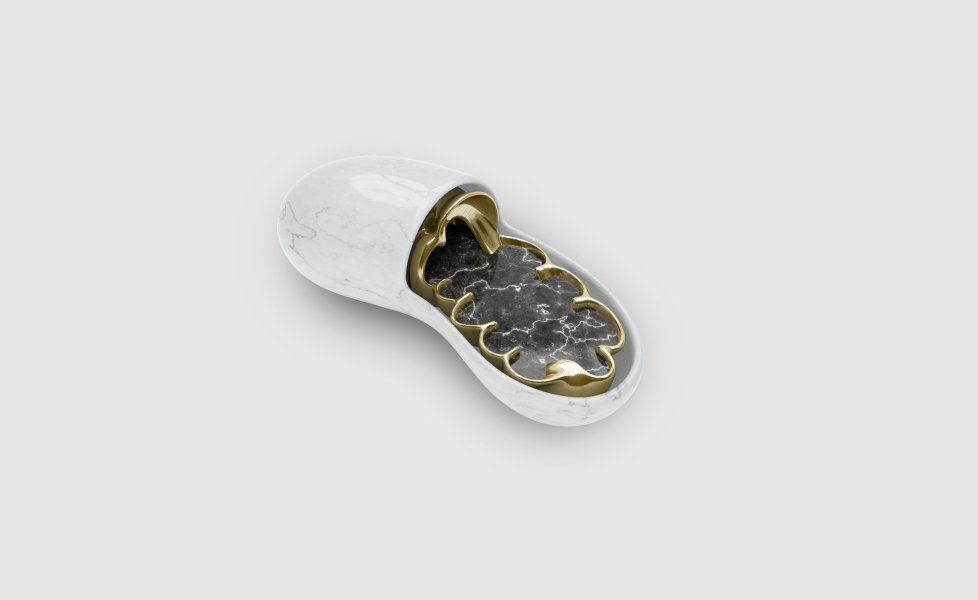
Mitochondria is the powerhouse of the cell, converting food energy to cellular energy.

We need healthy mitochondria to break food down into ATP, the cellular “currency” that pays for all the activities inside your 200+ types of cells.

The Problem: Modern life has caused big problems in how our bodies produce ATP, resulting in mitochondrial dysfunction.

In the US,  88% of adults have some type of metabolic dysfunction.  Overtaxed and damaged mitochondria produce less ATP production, more fat stored inside cells, which inhibits normal cellular function throughout the body.

Oxidative stress
When our mitochondria aren’t working properly, they sputter out reactive molecules called reactive oxygen species, otherwise known as free radicals, which causes damage to our cells, leading to further dysfunction. 

Chronic inflammation
Mitochondrial dysfunction in the body is perceived as a threat,  triggering an inflammatory response.  This defensive response becomes chronic because the perceived threat doesn’t go away. And it won’t go away  unless the environment changes.

Dr. Mean’s “Good Energy” book outlines strategies to optimize our metabolic function via “Good” vs. “Bad” energy.

What is “Good Energy?”
Good energy is having a good metabolism. It means your mitochondria work well and your body can use, make, and process cellular energy effectively.

Metabolism refers to the set of cellular mechanisms that transform food into energy that can power every single cell in the body.

When we are metabolically optimized, we have:

  • Sustained energy and stamina
  • Increased brain acuity and focus
  • Better hormone balance and moods
  • Restful, restorative sleep

“Bad Energy” is poor metabolism and all the choices and choices that lead to metabolic dysfunction. 

In this course, you’ll learn practical, actionable strategies to leverage good energy for better health, beginning at its source: the cells.

      Are you experiencing any of these symptoms?

      This program is for you … 

      • If You’re suffering from any of these issues
      • If you’ve wandered off your health path the past few weeks
      • If you can more easily commit to change when you understand the WHY behind the process, and
      • If you get better  results with structure and group support.

      What can you expect?

      The Makeover includes: 

      • The Good Energy Book by Dr. Casey Means
        (shipped to you upon sign up)

      • 8 Segment Video Corresponding Video Series ~ 

      • (2) Group Coaching Calls via Zoom
        • Kick Off & Follow Up
        • Thursdays @ 7 pm Jan 16 & 30

      • 20% Off Optional Support Supplements
        • Pendulum GLP-1 Products
        • Recommended Blood Sugar & Metabolism Supplements

      • 15% Off Specialized Services
        • 3 1/2 hour sessions $175 (reg. $210)
        • Metabolic Panel Lab Order and Functional Review $329 (reg. $389)
      Just $99

      There’s no reason to continue feeling frustrated. anxious and exhausted.  Help is here.

      The sooner you register, the sooner you can begin reading!

      Questions?  I’m always here to answer your questions and support you in your journey.

      I know from personal experience how important having a circle of support is!   Join us!

      optional services

      functional lab testing

      Labs don’t lie. Keep track of your metabolic health via comprehensive blood lab testing and a functional review.  Learn what OPTIMAL vs NORMAL ranges have to say about your health.

      Customized and personal. Contact Tina for more information,

      Promising New Science on Weight Loss Drug Alternatives

      With three-quarters of Americans obese or overweight, interest in weight-loss treatments is at an all-time high.

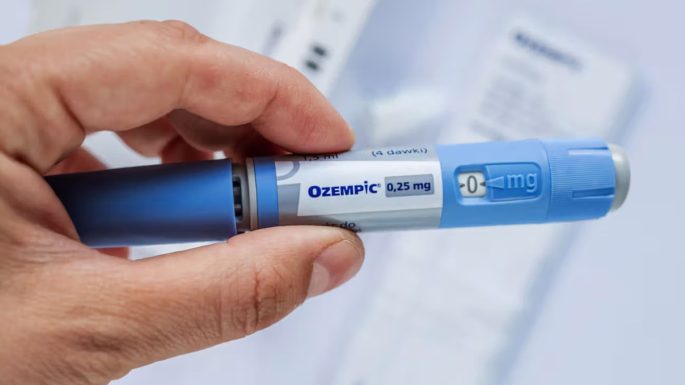
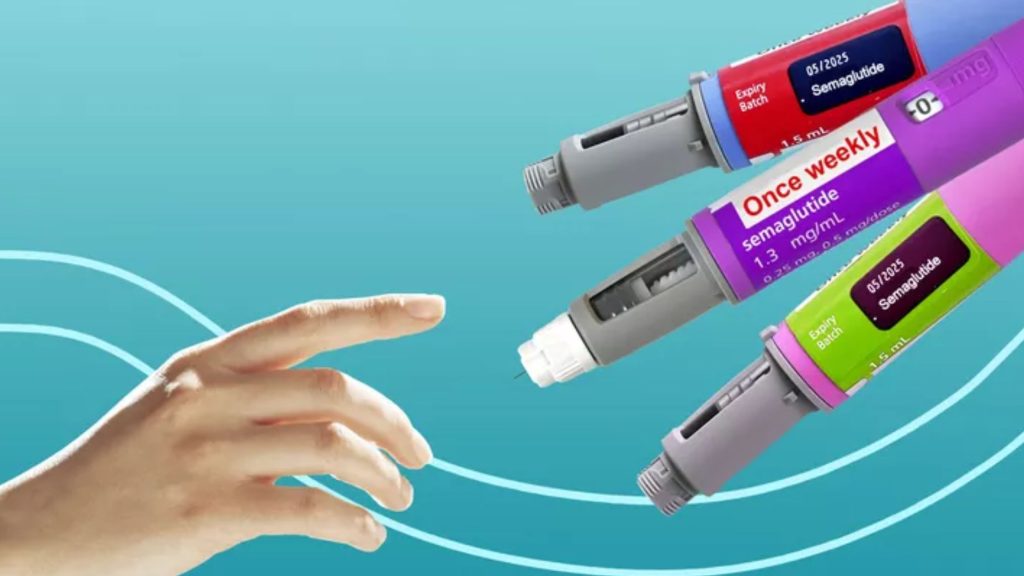
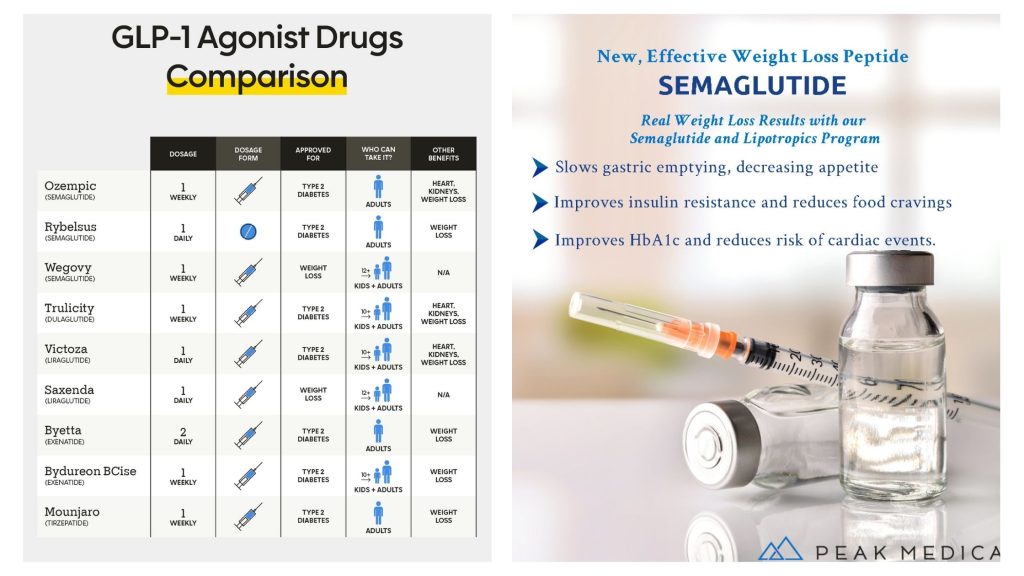
      Three injectable medications have dominated the spotlight of late: Wegovy, Ozempic, and Mounjaro. These once-a-week, injectable drugs are so popular in fact, that pharmacies routinely run out of stock.

      Wegovy is FDA-approved for obesity. Ozempic and Mounjaro are FDA-approved for diabetes. 

      These medications known as GLP-1 agonists are designed to manage blood sugar levels and help reduce hunger and food intake, thus potentially supporting weight loss.

      They function in a variety of ways to help curb hunger, increase feelings of satiety, increase insulin sensitivity, balance blood sugar, and support weight loss.

      Recently, Oprah Winfrey hosted a prime- time special on these medications and the criticism that providers prescribe it too liberally off-label for weight loss.

      Weight Watchers, and Noom, long advocates of lifestyle change focusing on diet and exercise have added prescription weight loss drugs approved to treat obesity, such as Wegovy and Ozempic.

      Offering the medications within a structured program of diet and exercise, advocates say, increases the chance of long-term success, and acknowledges that obesity is a chronic disease that requires chronic treatment.

      While drugs like Wegovy and Ozempic might seem like a miracle to those with diabetes and obesity, the truth is the effects only last while you are taking the medication.

      A study published in the Journal for Diabetes, Obesity, and Metabolism in April 2022, which examined changes in body weight and cardiometabolic risk factors upon the termination of the drug, found that after a year people had regained two-thirds of the weight they had lost.

      The positive changes they had seen in cardiometabolic risk factors like blood pressure, blood lipids, HbA1c, and C-reactive protein had similarly reversed.

      How do these drugs work?

      Semiglutide weight loss drugs work via complex metabolic processes to mimic a hormone called GLP-1 (Glucagon-like peptide-1).

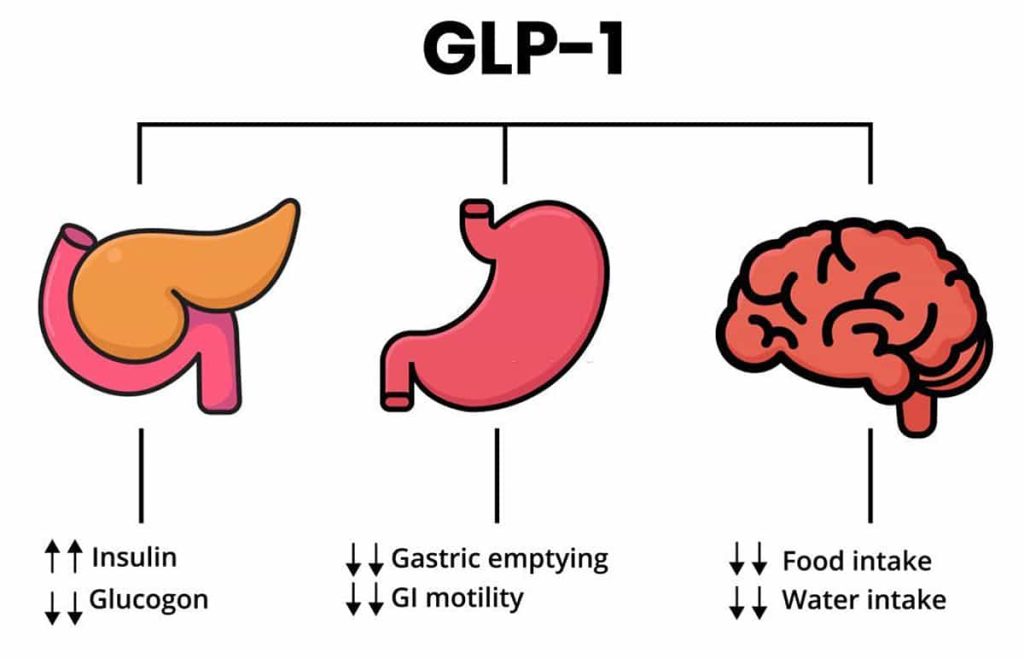
      GLP-1 is a hormone (a natural chemical in the body) produced in the small intestine. It stimulates insulin secretion (which then allows cells to take up glucose) and inhibits glucagon secretion (which prevents more glucose from going into the bloodstream) to lower blood sugar levels.

      GLP-1 helps to reduce food intake, appetite and hunger and promotes fullness and satiety with the ultimate result of promoting weight loss.

      Research suggests that people with obesity may have problems with GLP-1 production. As such, it has become a key focus in obesity, diabetes, and weight loss medications that function by mimicking it’s function.

      Is there a natural way to stimulate GLP-1 production without expensive monthly injections? 

      According to science, the answer is YES! And it all comes back to supporting our gut health, balancing our blood sugar with the help of a select combination of powerful probiotics.  

      My training in functional nutrition helped me offer past workshops on Gut Health (The Spring Cleanse), Blood Sugar & Hormone Balance, (The Blood Sugar Balance Program) and Anti-Aging, (The Big Rewind).  

      What all of these programs had in common was the knowledge that our body is one system that works interdependently.  The brain is not separate from the body. Our emotional health is not separate from our digestion. Our sleep hygiene is not separate from our brain function.

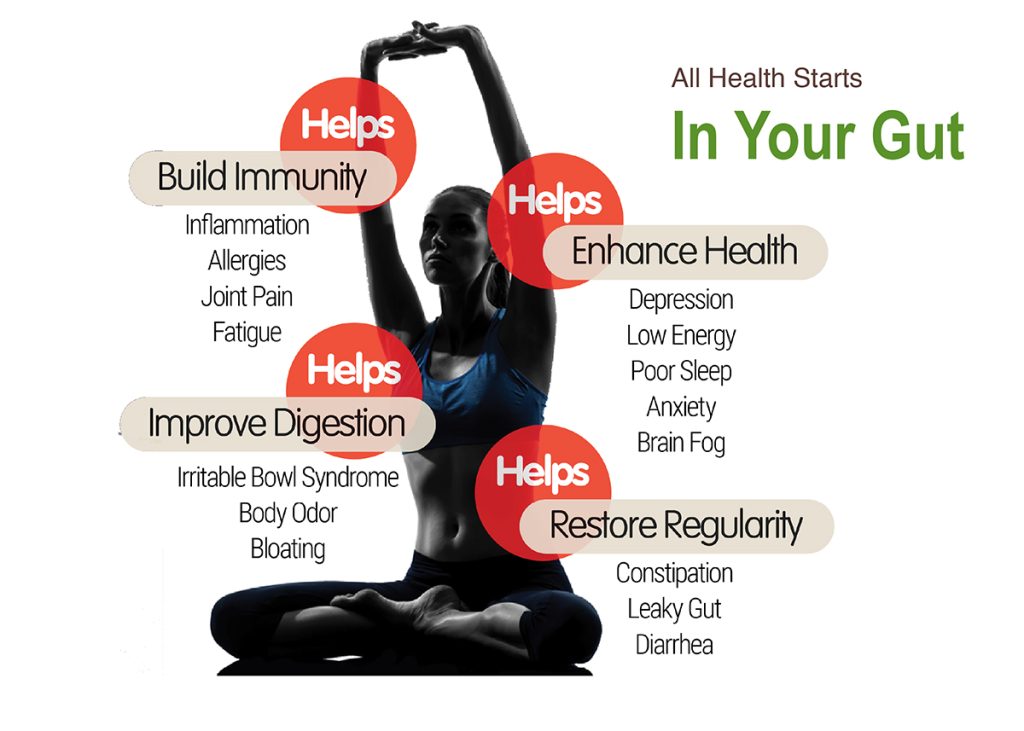
      All health is interconnected and it all starts in our gut.

      That's why I'm excited about the scienCE BEHIND glp-1 probiotics.

      I learned about Pendulum Life Therapeutics from two trusted functional physicians that I follow, Dr. Mark Hyman and Dr. Kara Fitzgerald.  

      They both know and support the research and dedication of Pendulum CEO, Colleen Cutcliffe,  Ph.D. in Biochemistry and Microbiology from Johns Hopkins University.

      Colleen and her two co-founders, John and Jim, began this company because they saw a unique opportunity to apply next-generation DNA sequencing technologies and microbiological assays to the emerging microbiome science space. 

      Together, they have built the first and only facility in the U.S. that enables commercial-scale production of live Akkermansia and other next-generation strains.

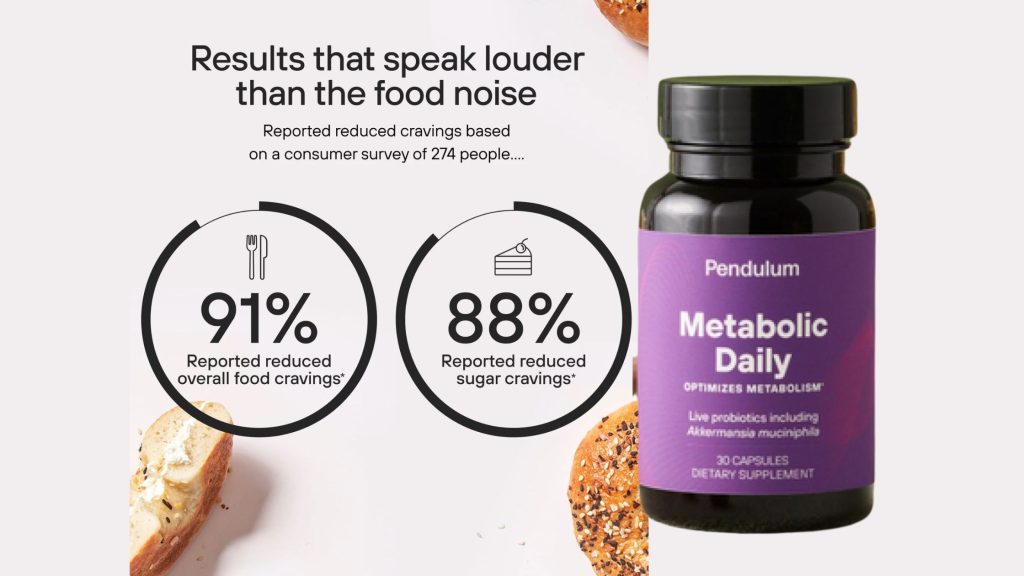
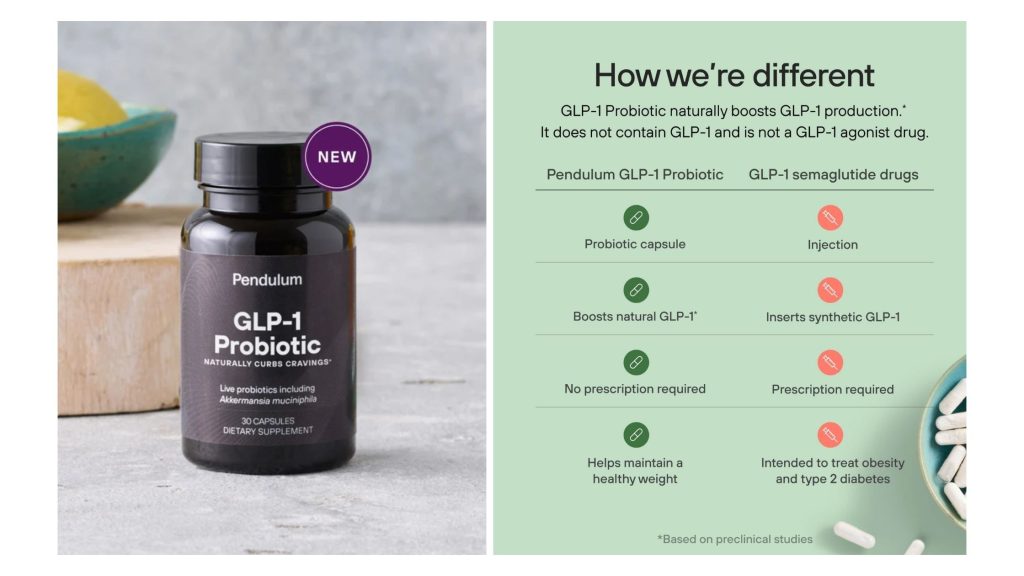
      Pendulum products are high quality curated live probiotic strains designed to improve gut health, hormone balance and GLP-1 production to support your healthy weight. 

      They are a viable alternative to weight loss medications as they address the underlying issues that lead to metabolic dysfunction in the first place.  

      If you’re going to take something for the rest of your life to support your health, why not choose a product that is affordable, sustainable, and safe. 

      which product is best for you?

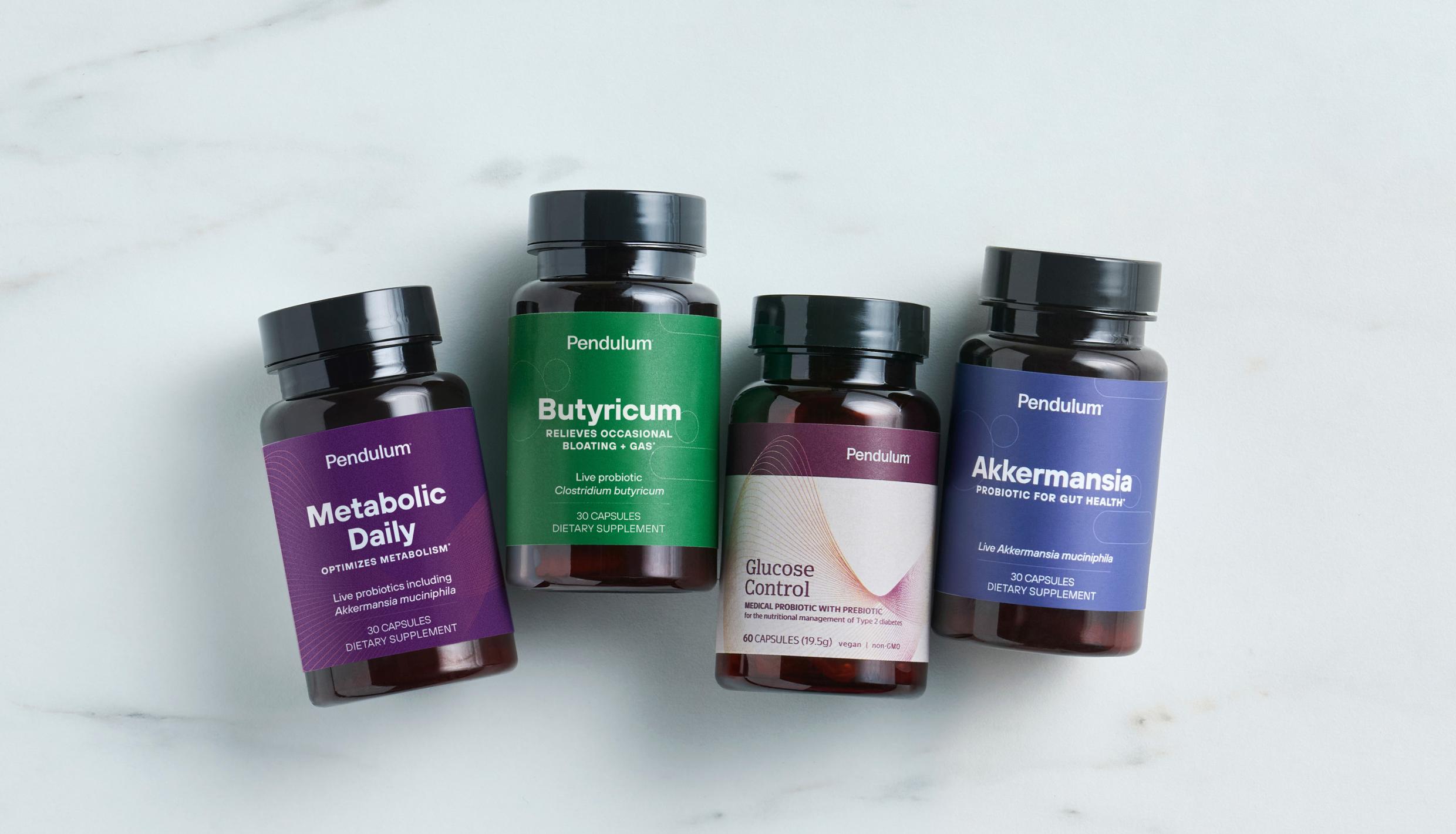
      Pendulum probiotics come in different combinations to address different issues.  It is important to understand which formula will best support you in your health journey.

      Learn more about the formulations by clicking the button below. 

      I’m also available to meet with you to discuss how to begin if that is something you’d prefer to do. 

      Email me at tina@tinasprinkle.com to schedule an appointment.

      a special offer for you

      You may purchase Pendulum products directly from the Pendulum website or you can get them for lower pricing via my Fullscript Practitioners Dispensary.

      Fullscript is an online dispensary supporting your wellness  by connecting the two people who know your health best — you and your practitioner. Accounts are $0/month.

      Sign up and save 15% off the already lower priced Pendulum Pro products offered via my FullScript Dispensary.

       Once you sign up, I’ll add an automatic 15% discount to all of your orders.  FullScript offers a huge catalogue of superior-quality nutraceuticals and supplements.

      TAKE A DEEPER DIVE

      This is a recording of the recent webinar I attended featuring Pendulum Founder Colleen Cutcliffe and Dr. Kara Fitzgerald on the science and mechanics behind these weight loss drug alternatives. 

      They explain the science behind GLP-1 and how select LIVE probiotics are effective in addressing our gut health and healthy weight.

      Questions?  I’m all ears! 

      Email me at tina@tinasprinkle.com

      Longevity Resources

      These resources will help you begin your own research on aging better to extend your health span as well as your life span.  

      This list will grow with every workshop and beyond, so bookmark this page and revisit it often.

      If you have a resource you’d like to share please email me or post on our private T School FB group.

      wORSHOP #1 : Why we age

      Books 
      Click on the book cover to learn more or purchasE
      PODCASTS
      Click on the ICON to listen and explore

      This 8-part longevity series with geneticist Dr. David Sinclair builds and updates the topics covered in his Lifespan book. 

      Peter Attia is known for taking a very deep dive into the subjects he discusses on his podcast so be prepared for a science lesson!

      Dr. Mark Hyman delivers anti-aging and longevity information that is accessible and fun to listen to.  One of my absolute favorite listens!

      The Longevity by Design podcast helps you unpack science-backed information to learn what’s on the cutting edge of longevity research.

      longevity blogs  & SERVICES
      Click on tHE LOGO TO ACCESS WEBSITE

      InsideTracker offers blood and DNA tests to help consumer discover and track their health and longevity biomarkers over time.  If you are interested in participating in their services, use the code SPRINKLEPROSPECIAL to receive 25% off any plan.

      Life Extension is a health and wellness resource providing supplements, lab testing, and a science-based blog focusing on nutrition & healthy aging tips.

      If you want to order healthy aging blood labs, I’ll be happy oto order and review for you.

      Self-Hacked is a health and longevity blog sponsored by Self-Decode, a company which provides personalized health recommendations based on a combination of DNA, labs, and environmental factors.

      Longevity Advice is an informational website and blog for people who are not scientists but who still want to know what science can tell them about extending their health span and life span together.

      WORSHOP #2 : HOW TO SLOW AGING

      Books 
      Click on the book cover to learn more or purchase.
      PODCASTS
      Click on the ICON to listen and explore

      Dr. Gabrielle Lyon is an expert on muscle mass and aging.  She explores a variety of health topics in this excellent podcast.

      Neuroscientist Andrew Huberman takes complex science and health topics and makes them accessible.  Listen and learn!

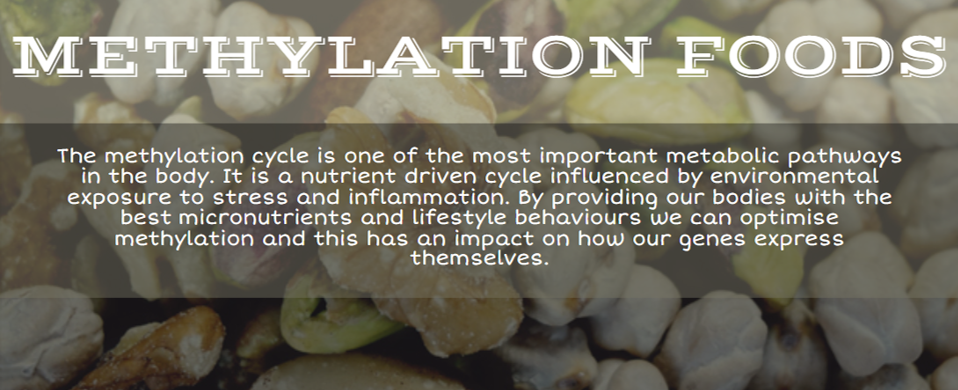
      Click the graphic above for a great Methylation Foods Infographic.

      longevity blogs  & SERVICES
      Click on tHE LOGO TO ACCESS WEBSITE

      Join Dr. Rahul Kapur and his wife Khyati at Shaman’s Leawood Total Wellness for medical aesthetics, hormone replacement therapy, medical weight loss, PRP therapy, IV therapy, and Ketamine infusion therapy. 

      Restore Hyper Wellness Centers offer a variety of longevity services including cryotherapy, red light therapy, infrared sauna, compression, mild hyperbaric O2, IV drip therapy, IM shots, and cryoskin facials.

      IV Nutrition in Westport customizes injections based on your personal needs and lifestyle, giving your body just the right combination of high-quality nutrients to help prevent disease and slow aging.

      11709 Roe Avenue
      Leawood, KS 66211

      5029 W 119th Street
      Leawood, Ks  66206

      1801 Westport Road
      Kansas City, Mo 64111

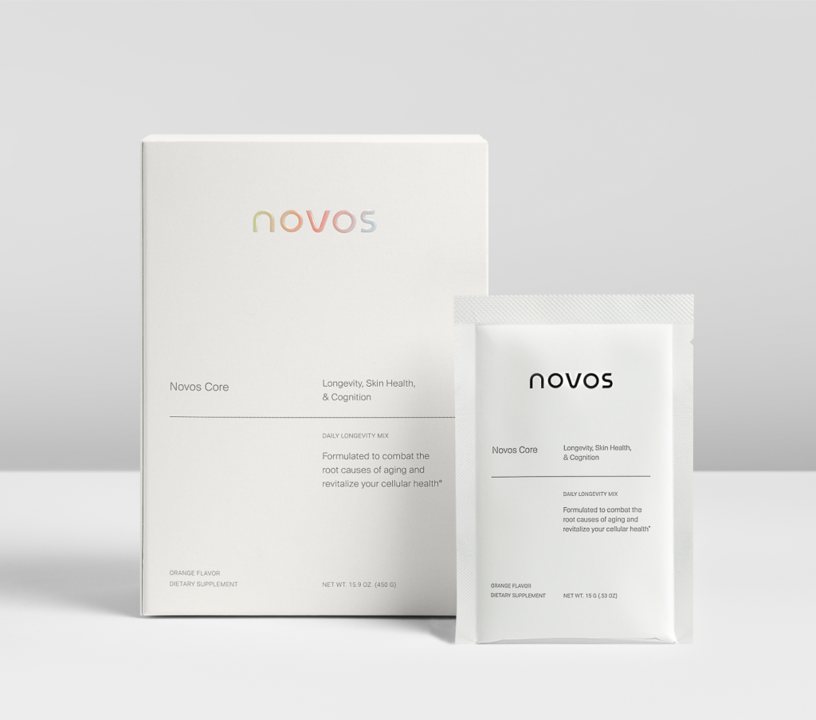
      Click here for more information about the science behind NOVOS,

      NOVOS Longevity supplements are based on the best available science, created with the world’s top experts in the aging field, using scientifically validated ingredients focusing on ten or more aging mechanisms to leverage synergistic effects.

      Novos supplements include ingredients shown to have beneficial effects on aging in humans.


      The DO NOT AGE test includes a Biological Age Test, Memory Age Test, Hearing Age Test, Eye Age Test, and Inflammation Score.

      In addition to the epigenetic results above, they also provide over 100 DNA reports. 

      These reports cover areas such as your vitamin deficiencies, immunity, gut, health, muscle health, mental health, sleep, stress, and more!

      While genes play an important role in healthspan, lifestyle is the single biggest factor within our control.

      Quantifying and tracking your biological age can help tell you if your wellness routine is helping or harming your healthspan

      This blog compares and contrasts the best biological age testing kits to help you decide which,  (if any) is right for you.

      Read it by clicking the icon above.

      WORSHOP #3 : ASK THE SURGEON

      COSMETIC SURGERY RESOURCES WITH
      DR. REGINA NOUHAN

      Dr. Regina Nouhan has over 25 years of clinical experience in all varieties of Plastic Surgery.  After phasing out of active practice, Dr. Nouhan wished to continue to provide service, now in a different capacity. She founded RMN Projects, LLC with the intent of finding new ways to put her insight and experience to good use, focusing on consulting, teaching, and communications.

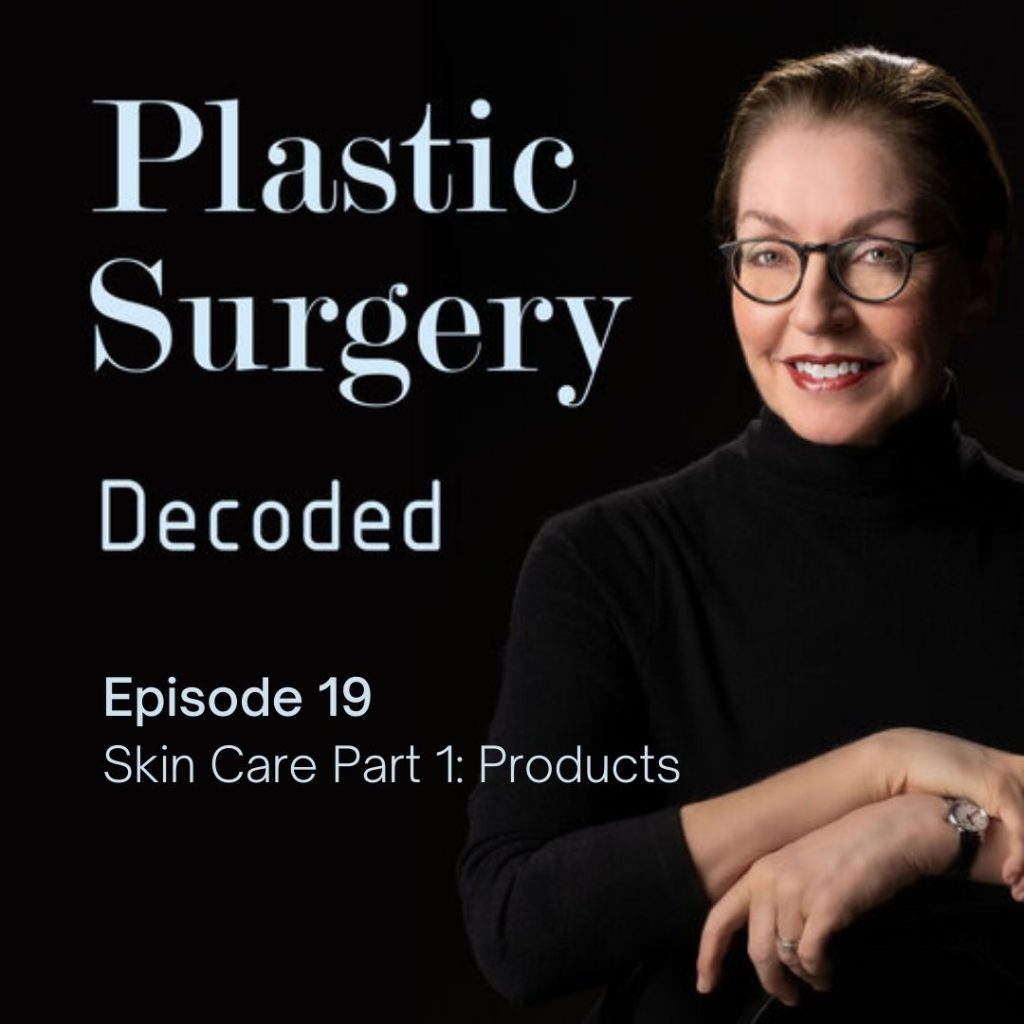
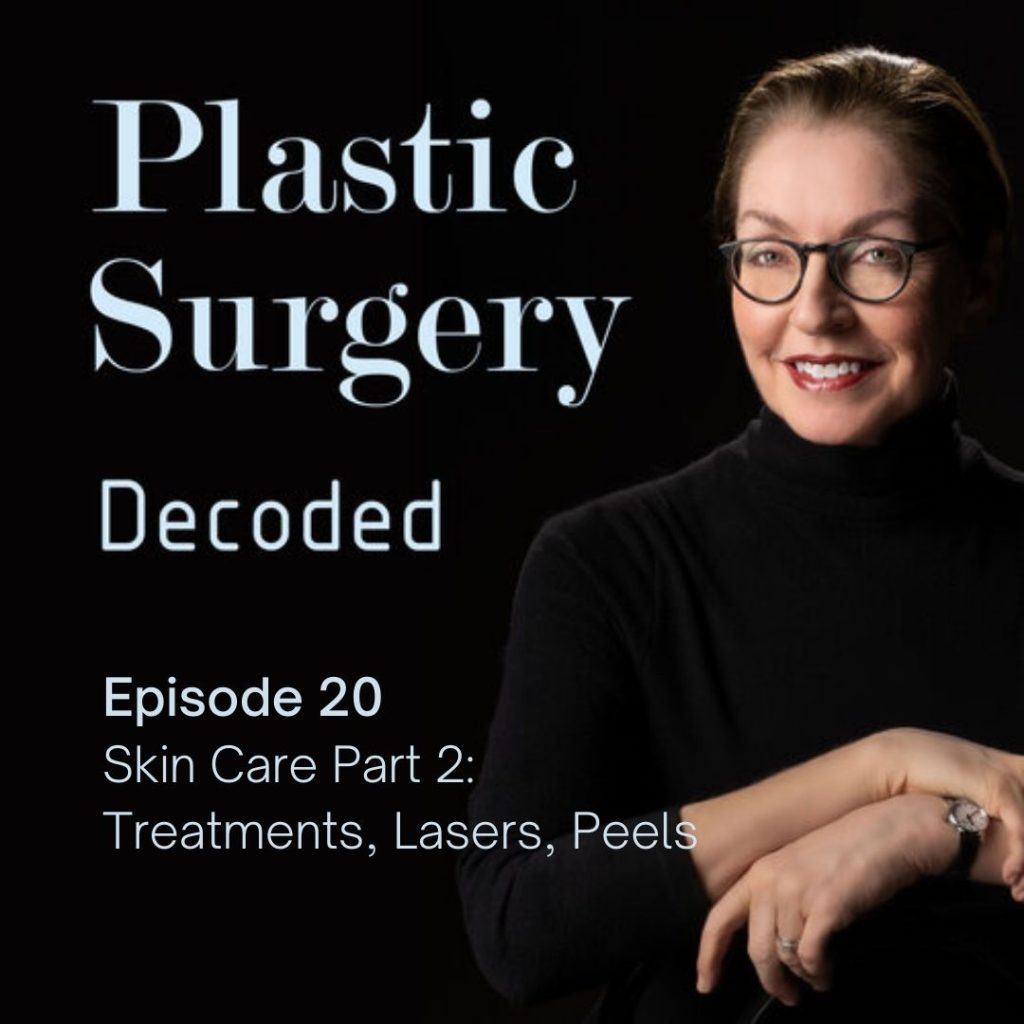
      Plastic Surgery Decoded, a patient education podcast is just one of the ways Dr. Nouhan continues to contribute where she can, both to her community and to the world at large.

      The following podcast addresses the topics we discussed in our ASK THE SURGEON workshop.

      Additional resources …
      for patient questions, specific procedure information, before/after photos, videos, doctor locator, etc.

      STAY CONNECTED ...

      Thank you for your participation in the Big Rewind program.  I’m extremely grateful to Dr. Kapur and Dr. Nouhan for their help in educating each of us. 

      If you would like me to send you a collated file with all presentation slides and video replays, please email me at tina@tinasprinkle.com

      THE BIG REWIND 6-WEEK LONGEVITY INTENSIVE

      Although we’re living longer than any time in history, most of us will spend the last few decades of our lives suffering from preventable and reversible ailments and diseases.

      Despite modern medical advances, the average American will spend the last sixteen years in decline- sick, frail, and dependent.

      Advances in surgery and medication help many of us live a longer lifespan, but what about our health span?

      Lifespan is how long we live. Our health span is how many years we live a healthy, vibrant, and functional life.

      Six in ten Americans suffer from at least one chronic disease, and four in ten have multiple chronic diseases.

      Soon, 83 million Americans will have three or more chronic diseases, diseases that not only diminish quality and length of life but are almost entirely preventable. 

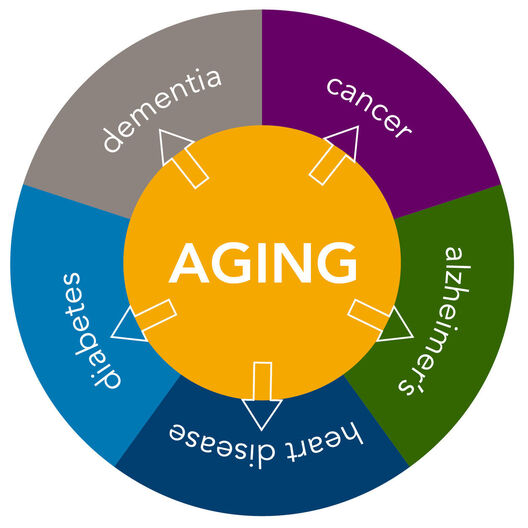
      Diabetes, cancer, dementia, depression, osteoporosis, and autoimmune issues are all on the list of preventable chronic diseases.

      Because these diseases come on gradually, starting around age 45 or 50, we don’t always recognize the slow, steady decline in our energy, function, and well-being.

      After 60, we may see a steeper decline, and by 70 we’re often ready to resign ourselves to poor health, pills, doctors, hospitals, and nursing homes!

      WHY WAIT UNTIL YOU see and
      FEEL THE DECLINE?

      • Are you ready to take charge of your health, energy, and rate of aging?

      • Are you ready to do something about the fatigue, weight gain, and loss of mojo you’re attributing to getting older?

      • Are you curious to know what your biological age, inflammatory markers, and ideal nutritional anti-aging macronutrient ratios are?

      • Do you want to avoid living the latter part of your life suffering from preventable disease, frailty, and distress?  

      if so, you're ready for the big rewind 6-week intensive program

      STARTING IS KNOWING WHERE YOU ARE BEGINNING
      The BIG REWIND 6-Week Intensive Program includes everything you need to understand your biological age, inflammatory markers, risk for chronic disease, ideal macronutrient ratios, and more.

      Your 6-week Rewind Intensive program includes:

      Baseline and follow-up Healthy Aging Blood Lab Order, Functional Nutrition Analysis, and Biological age calculation.                     
                                                   $528 value

      Personalized Longevity Macro Nutrient Template, Exercise RX, Body Composition,                                                                            $149 Value

      (6) 30-minute Longevity Lifestyle Coaching Sessions, Recipes & Resources.                   
                                                    $420 value

      Weekly resources, guides, ongoing support, discounts on training, supplements & wellness retreats.               
                                                    $ Priceless

      Regularly $1097, this program is available
      for a limited time for just $949

      Small Group sessions may be arranged for two or more people registering together for this 6-Week Rewind Intensive. 

      Please email Tina if you would like to do a small group intensive.

      This program is now open for registration for a January 2023 start date. 

      Tina Sprinkle is 63 years young with no plans to succumb to the avoidable perils of old age.

      An avid hiker, ice climber, pilates pro, and wellness retreat leader. Tina’s passion is helping others live their best lives at any age.

      A nutrition nerd by choice, Tina returned to school in 2019 to study functional nutrition at the Institute of Functional Nutrition for Endocrinology.

      Tina’s mission is to make optimal health and vitality accessible through the power of nutrition and longevity lifestyle interventions.

      Questions?  Email Tina! 

      AGING ISN'T OPTIONAL.

      BUT HOW WE AGE IS!

      Ask the Surgeon

      By now you understand the biochemistry of aging and the profound effects we can make on our rate of aging via epigenetic lifestyle choices.

      How we sleep, eat, move, manage stress, and create a sense of purpose all influence not only our lifespan (how long we live) but our healthspan (how well we live).

      But even when we’re doing all we can to reset our aging clock, evidence of our chronological age may linger.  Fine lines, wrinkles, and sagging skin can make us feel defeated despite our best anti-aging efforts.

      To align our outer look with our newly younger body inside may take some facial cosmetic intervention.  

      Neuromodulators like Botox and Dysport can help, and so can fillers like Juvaderm and Restylane, but what happens when surgery may be the best option for getting the results you want?

      Then it may be time to talk to a plastic surgeon, and that’s just what we’re going to in the third workshop of THE BIG REWIND. 

      Dr. Regina Nouhan, a plastic surgeon with over 25 years of clinical experience in all varieties of plastic surgery, joins us on Saturday, January 14, 2023, for a detailed discussion of facial plastic surgery interventions.

      Following her successful and satisfying career, surgeon Regina Nouhan, MD retired from a broad practice in Cosmetic Surgery, Reconstructive Surgery, Hand & Microsurgery, and Skin Care. 

      This was centered in the Midwest, primarily with the well-respected Monarch Plastic Surgery group.

      After phasing out of active practice, Dr. Nouhan wished to continue to provide service, now in a different capacity.

      Hence, RMN Projects, LLC was founded with the intent of finding new ways to put her insight and experience to good use, focusing on consulting, teaching, and communications.

      After years of volunteering for local public radio station KCUR, and having been told she had a “good radio voice,” Dr. Nouhan decided to produce a patient-education podcast called: Plastic Surgery Decoded.

      The following blog is a transcript from Season 1 Episode 10 where she discusses cosmetic interventions for lines and wrinkles. 

      Read on to learn how the face ages, what causes the wrinkles and lines, treatment options, and how to layer different treatments for best results.

      What can be done for facial rejuvenation? 

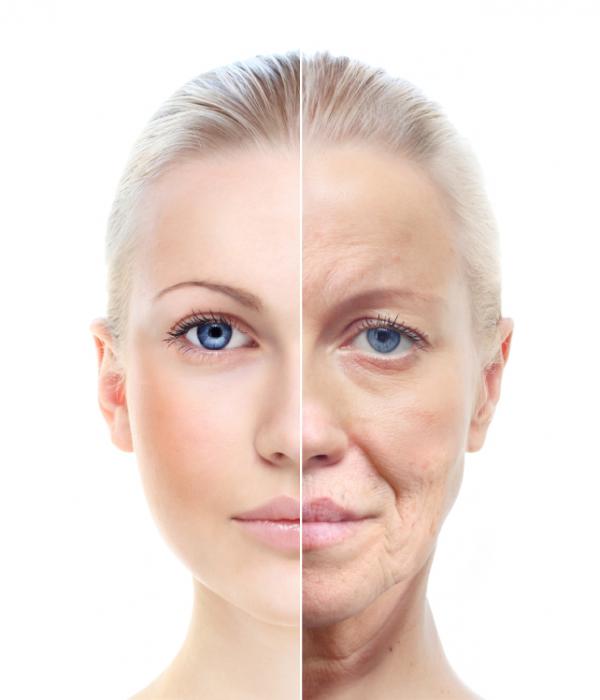
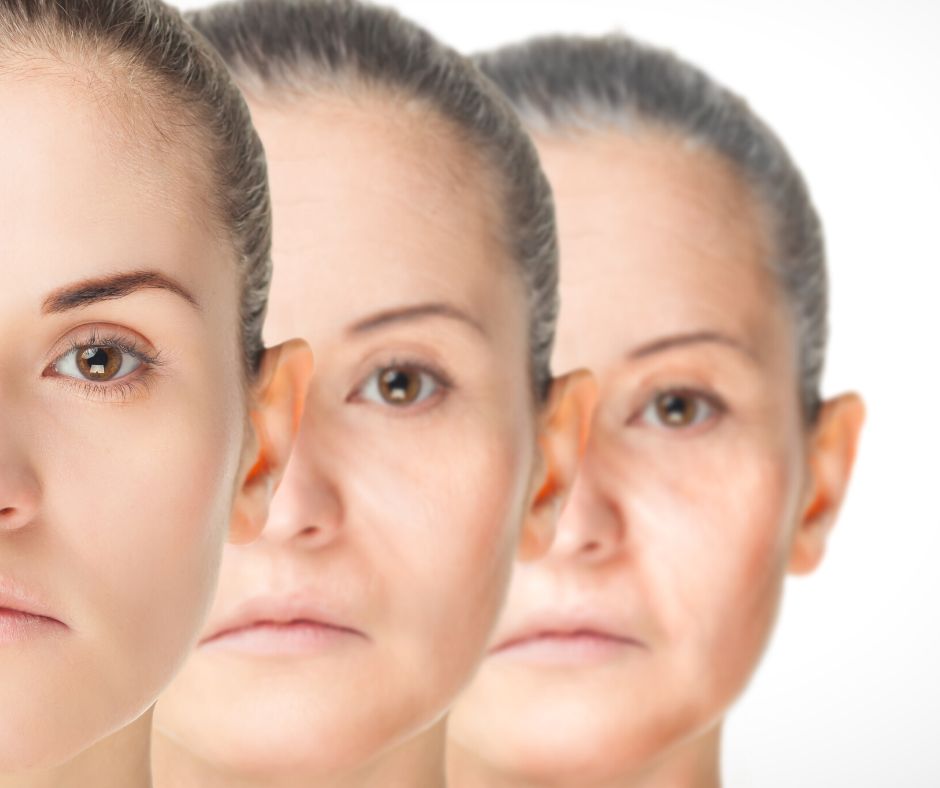
      When we think of facial aging, typically what comes to mind is something that only happens when we are 40 or 50.  And it’s true that we will have many signs of facial aging by that time and beyond.

      But actually, signs of aging can begin much earlier, even in our late twenties and thirties. Of course, there is nothing wrong with these fine lines and small wrinkles that eventually progressed to deeper and more noticeable ones. They are perfectly natural. 

      And each one of us is going to age at a different speed, based mostly on our genetics. But many people want to minimize the outward signs of aging. 

      We are typically born with wonderfully resilient and smooth skin which has great elasticity and is supported underneath by a healthy layer of natural fat. 

      As time passes, the youthful building blocks of the skin, like collagen and elastin, gradually begin to degrade and break down. At first, the rate is very slow, but that picks up as we get older. 

      People who start out with thicker skin tend to take longer to show age, but in general, the skin starts to thin out and become less elastic.

      Also with age, we can see irregularities in the specific skin cells that produce and control pigmentation, called melanocytes. Those irregularities can lead to uneven pigmentation.

      In addition to all that, the nice supportive fat layer under our skin layer starts to thin out and migrates south, following gravity, losing its youthful fullness. 

      These natural changes can be accelerated by environmental factors like smoking and sun exposure over the years.
      They can also be expedited by hormonal changes, including menopause.

      So given how the skin ages, how does that translate to wrinkles and lines?

      Well, think of a piece of elastic fabric whose elastic over time has stretched and given out. If you fold

      it, it will likely crease, and if you hold it up, there will likely be areas of sagging.

      Our skin can act like that too. 

      Our facial skin covers the muscles that contract and move to show expression. When we are younger, the skin doesn’t leave a crease after the underneath muscles temporarily fold it. It returns to a smooth state after we’re done smiling or frowning.

      But as we age, our skin loses some of the quality and amount of its collagen and elastin over time with repeated muscle contractions.

      And think of how many times we smile frown or squint each day. The skin starts to develop some crease lines where it folds and it just can’t bounce back.

      We must also factor in the pull from gravity.

      With less fat underlying and supporting our skin, it can sag and settle to aggravate the appearance of lines and folds.

      So what can be done?

      Well, luckily, there are a multitude of options for facial rejuvenation but choosing which are best for an individual person depends on the specific problem at hand. Because not everyone has the same aging process.

      The bottom line is we must diagnose the cause of the specific concern.

      It may be helpful to break the issues down into three categories: 

      1. For some, fine lines or skin surface texture is the biggest problem.

      2. Other people may have more of an issue with loss of elasticity, creating stretched out or excess skin.

      3. And for some people, the lack of underlying skin support is the main problem.

      Dr. Nouhan often used a triple-layered approach to facial rejuvenation based on evaluating all three skin properties and treated each if needed though not necessarily simultaneously.

      To review, those properties are surface texture, skin elasticity, and underlying volume.

      First, if skin texture has become a problem, such as with fine lines, then treatment can start with a good skincare product regime to promote new collagen production and turnover or clean out old damaged collagen.

      This is great for milder cases.

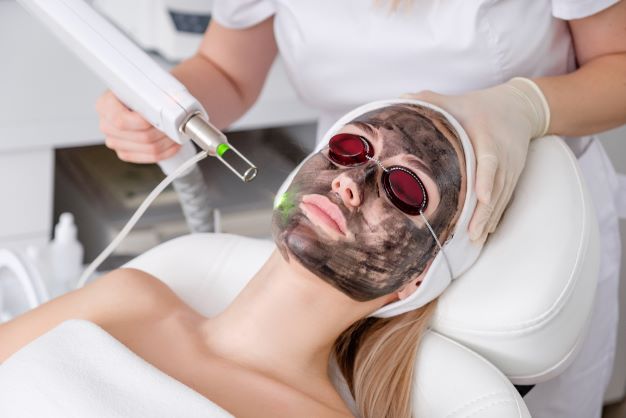
      For more significant skin texture problems, minimally invasive procedures aimed at resurfacing the skin like chemical peels, microdermabrasion, micro-needling or laser peels may be just the thing.

      And of course, these can range from a light touch to relatively aggressive depending upon what’s needed and how much downtime the patient is able to tolerate.

      Most of these are able to be done in the office setting, possibly with a topical numbing cream. 

      Adding a growth factor serum or maybe platelet-rich plasma which is derived from your own blood right in the office may enhance results as well. 

      If the skin texture problem includes perhaps some discoloration, light-based treatments like BBL (broad-band light therapy) as an example, may be of benefit.

      After chemical or laser treatment, there may be some skin peeling and redness with, as you’d expect, a lengthier recovery if the peel is deeper. 

      The selection and method of peel are best determined by an experienced practitioner, taking into account the individual patient’s needs and desires.

      But like anything, keeping the results requires maintenance. The frequency depends on how invasive or deep the remedy was.

      For lighter treatments, the required maintenance or touch-ups will need to be more frequent. But sometimes that’s preferable for patients who don’t want to deal with a longer downtime from a more intense treatment.

      Secondly, let’s talk about problems with skin elasticity. 

      Again, there is a spectrum of severity. On the lesser end, the loss of elasticity may just be manifested by a little bit deeper wrinkles but in a more advanced case, there may also be loose sagging skin.

      Neither topical products nor superficial skin peel treatments are likely to do enough for these issues.

      If the loss of elasticity is mild, external tightening treatments such as laser treatments or radiofrequency treatments can noticeably improve things, and sometimes reducing the muscle contracting underneath the problem area can reduce the appearance of lines and wrinkles.

      Again, normally the muscle sits under the skin and when it contracts, the overlying skin has to bend in response. If a person is losing skin elasticity,

      Repeatedly, contracting muscles will create an actual skin crease. And this is where Botox or similar neural modulators can come in handy. There are a few of them available these days.

      Botox and the like have no direct effect on skin, but a neuro modulator can indirectly make a difference because it weakens the amount the underlying muscle moves. Going back to our fabric analogy; if you don’t fold the fabric, you don’t see a crease. 

      Now, that doesn’t mean that Botox can completely erase skin lines, especially if they’re pretty etched, but it can often help. 

      It’s a very tolerable procedure as things go, but it needs to be done in a judicious way to avoid complications or overdoing it. It lasts around three months on average. So maintenance is key here.

      But what about the more involved loss of elasticity cases where there is sagging skin or actual skin folds?

      If it’s not too bad, and in certain locations, sometimes a little bit of injected filler can plump out the region enough to make it look better.  But beware.

      Attempting to do too much correction with just filler risks looking bloated and overdone. And unfortunately, we’ve probably all seen someone who has that issue.

      A better option in those situations is to lift or tighten the problem area and remove the excess skin.

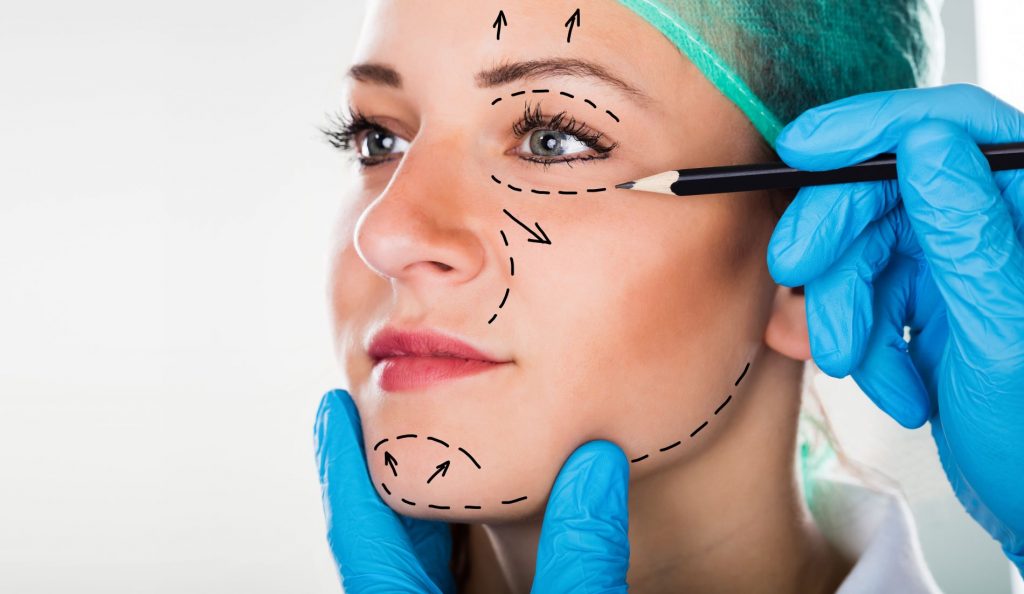
      Surgical options for resetting the facial aging clock can include a facelift, sometimes with added suspension threads, a neck lift, which is normally part of a facelift, but can be done separately, eyelid tuck, and a brow lift.

      Thirdly, if there is volume loss in the area that is contributing to the tendency for skin sagging, folding, or just looking deflated, suggesting the underlying fat has thinned out or migrated south, surgically stretching and taking out excess skin could help. 

      But surgery may still leave a non-youthful appearance.  That’s where injectable filler or even the body’s own fat injected beneath the 

      problem area could help to plump up the region and go a long way to restoring contour.

      Fillers often have hyaluronic acid as their basic ingredient, something normally found in our bodies. Just a couple of examples are Juvederm and Restylane.

      Hyaluronic acid gel not only fills up a space, it also attracts water from the surrounding tissues, helping keep the area plumped. Hyaluronic acid fillers do typically require periodic maintenance injections, though.

      But what’s nice about them is that if you don’t like the new look, it will eventually dissolve after 3 to 6 months or more. 

      A reversal medication can be injected to dissolve it much quicker if the results are not as expected.

      A different category of filler is called bio stimulatory, and it works by stimulating the collagen in tissues in the area of injection to thicken up over time. As the tissue thickens up, there is more volume and less appearance of sagging skin.

      Examples include Sculptra and Radiesse. They will often last much longer, perhaps up to a couple of years, but they cannot easily be reversed. It may be wise to start with something that will dissipate more quickly to be sure you like the new look, then you can progress to something that lasts longer. 

      In general, fillers are a nice option as downtime is pretty minimal, though there can be rare complications. Downtime is usually pretty minimal.

      We’ve discussed three levels at which the facial skin can show age and basic options for treating each one. 

      But what if a person has more than one of these issues going on simultaneously?  This is most often the case.

      When someone presents complaining of skin lines, wrinkles, and folds, it’s usually due to a combination of etiologies, even all three.

      As long as that is recognized, treatment can be focused accordingly. Combination results are therefore superior to treating only one aspect. 

      And that’s where a layered approach to rejuvenation comes into play.

      If it’s clear that a patient would benefit from a layered approach, some physicians will choose to build from the bottom up, creating a foundation, and then treating the surface. 

      If there is volume loss, they may build this with filler or fat grafting.

      Afterward, it’s a bit easier to assess how much extra skin is present. 


      If there is still excess then surgical tightening or removal may be indicated. If not that much excess is present, perhaps something like percutaneous threads used judiciously can produce a limited lift without surgery. 

      But most well-trained plastic surgeons can predict what will ultimately be needed at the time of the consultation. So sometimes those two steps, lift and fill, can efficiently be done at the same time. 

      If surgery has been performed, after sufficient surgical healing, a laser or chemical peel could be done to refine the skin surface and try to help those superficial fine lines that surgery and filler can’t resolve. 

      But there is no magic order of treatment.  Some plastic surgeons may prefer starting with the skin surface, then building up volume later.

      And sometimes it comes down to the patient’s preferences and priorities, or certainly finances. 

      Now, all of this timeline of layered treatment we’ve discussed is with or without Botox. 

      You can’t use Botox everywhere, but depending upon the location of the lines and wrinkles, Botox can be a great tool to start with easing a person into facial rejuvenation. It can also be a nice way to help maintain results from other treatments.

      If the underlying muscle contractions are reduced, there is less of a stimulus for lines to return so quickly.

      summary

      This blog has covered a lot of ground!  Dr. Nouhan hopes it makes the concept of facial rejuvenation and the treatment of lines and wrinkles seem a little more logical. 

      It’s important to remember that all three levels of skin aging should be evaluated with a realistic expectation about what can be accomplished.  

      Expecting too much from one type of treatment may be a mistake that leads to disappointment. 

      Professional guidance is crucial.

      As always, there is no substitute for a formal consultation with your plastic surgeon who will counsel you with their best judgment.

      By now, you know longevity relies primarily on our lifestyle choices.  What we eat, when we eat it, exercising, managing our stress, and prioritizing sleep provide the foundation for living longer and living healthier. 

      There is no shortcut to optimal health or longevity.

      Perhaps you’re all in- doing everything you can to optimize your biochemistry for anti-aging from the inside out, but lingering wrinkles and sagging skin are deflating your motivation.

      It may be time to think about facial rejuvenation.

      Join Dr. Regina Nouhan on Saturday, January 14, 2023, as we discuss facial plastic surgery interventions to help your outside match your newly younger inside as part of THE BIG REWIND series.

      Learn more from dr. nouhan's plastic sugergy decoded podcast

      The mechanism of aging all boils down to keeping our mitochondria and DNA clean, healthy, and functional.

      In addition to eating healthy, moving regularly, and staying connected in your community, new scientific discoveries in longevity can help us not only live longer but better, healthier, and with more joy!

      Join Tina Sprikle for THE BIG REWIND, a 3-part series exploring the reasons why we age and what we can do about it. 

      All workshops take place in-person from 2:00-3:30 pm at Centered Spirit located at 8131 Wornall Road, Kansas City, Mo. 64114.  We will film each session for replay later should you have to miss the live event.

      Single Workshop:      $45
      All three workshops: $69

      @ Centered Spirit
      8131 Wornall Road
      Kansas City, Mo  64114

      workshop #1.
      why we age

      SATURDAY, OCTOBER 22, 2022  2:00-3:30 pm

      Take a deep dive into the biochemistry of aging, and longevity science, to learn how you can not only live longer but live better!

      @ Centered Spirit
      8131 Wornall Road
      Kansas City, Mo  64114

      workshop#2.
      what we can do

      Saturday, November 12, 2022   2:00-3:30 pm

      The importance of nutrition, meal timing, exercise, and targeted supplementation and peptide therapy for slowing down and reversing aging with special guest Dr. Rahul Kapur

      @ Centered Spirit
      8131 Wornall Road
      Kansas City, Mo  64114

      workshop #3. ask the surgeon

      Saturday, January 14, 2023  2:00-3:30 pm

      You’re eating right, exercising and working your anti-aging protocol but still want a fresher face in the mirror.  Join special guest Dr. Regina Nouhan as she answers your questions about options for facial cosmetic surgery.

      Each 90-minute workshop provides participants with:

      • The latest longevity research education
      • Actionable steps to improve your health, slow and or reverse aging
      • Workshop handout and Ebook
      • Resources links and service providers
      • Video replay
      • Optional follow-up resource texts
      Days
      Hours
      Minutes
      Seconds

      until we get this party started why we age - 10.22.2022

      Questions?

      I’m always a text or email away.

      Email me at tina@tinasprinkle.com or send me a text at 913 963 8546.

      How to Slow Aging

      Now that we understand the biochemistry of aging on a cellular level and the role of our genome and epigenetics in that process, it’s time to focus on what we can do today for a younger tomorrow.

      The good news is, longevity science provides us with actionable steps proven to reduce inflammaging and decay.

      Nutrition, exercise, sleep, stress management, connection, purpose, and targeted supplementation are all ways we can mitigate the process of aging.

      understanding longevity genes

      We know that our cells lose function as they age.  DNA damage causes confusion in the cells.  In other words, genes get turned on that shouldn’t and others are silenced when they should be active.

      This process, called ex-differentiation, is believed to be the root of all aging.

      Alzheimer’s is an example of DNA unspooling and ex-differentiation.  Essentially the confused cell loses its identity.  Diabetes is another example. Ex-differentiated cells can no longer get glucose out of the bloodstream into the cells for use.  Excess glucose in the bloodstream binds to proteins and becomes caramelized, leading to high A1C levels, and stiffening of the blood vessels themselves. 

      Lifestyle choices (epigenetics), play a huge role in accelerating or slowing the aging process and cell ex-differentiation. 

      Longevity and Adversity

      Calorie restriction and high-intensity interval training are two examples of what longevity scientists call “adversity mimetics.” 

      Lifestyle factors that mimick scarcity and survival trigger longevity gene pathways to slow or reverse aging.

      Dr. David Sinclair, professor of genetics at Harvard University has found sirtuins—a group of seven longevity genes, are turned on by changes in lifestyle such as exercise and calorie restriction.

      Sirtuins control a variety of protective processes including protecting chromosome integrity, stem cells from being lost, and cells from becoming toxic zombie cells.

      Sirtuins can be activated by a lack of amino acids or of sugar, or through an increase in an important compound called NAD. 

      Sinclair found that NAD (nicotinamide adenine dinucleotide) a substance found in all living cells, could be used to mimic some of the same effects in humans that calorie restriction, scarcity, and other “adversity mimetics.”  

      Another name for adversity mimetics is hormesis.  Hormesis triggers our longevity genes and biochemical survival circuitry.

      So, what doesn’t kill us really can make us stronger.

      Nutrition, fasting, exercise, hot and cold therapy, and targeted supplementation are some of the ways we can trigger hormesis. 

      nutrition

      Michael Pollen said it best,
      “Eat food. Mostly plants. Not too much.”

      When scientists study the diets of the people living longest in the world, they found they ate a diet rich in plants, nuts, seeds, legumes, and whole grains.  Dairy and animal products were only consumed sparingly and on special occasions.

      Eating a plant-based Mediterranean Diet is recommended by most longevity researchers as the optimal nutritional anti-aging diet. 

      This “longevity diet” includes plants in the form of greens and herbs, legumes, fish, dairy from free-range animals, olive oil as the main source of fat, very little meat, and a bit of alcohol.

      Scientists found that those who started eating healthier in their younger years could see a significant increase in their lifespan, especially by eating a Mediterranean diet.

      Specifically, young American women who began the healthier diet at the age of 20 could expect to add ten years onto their life, while men of the same age could see their lives extended by 13 years.

      But it wasn’t just young adults who could see longevity benefits from changing eating habits.

      They also found that American women who adopted the diet at age 60 could see eight years added to their life, while men of the same age could see nine extra trips around the sun.

      Even at age 80, both men and women could see up to 3.5 years extra of life by switching to a Mediterranean diet. 

      You’re on board but think you’ll miss your meat?  Think again.  Studies show that diets rich in animal products-especially processed red meats pose a high risk of cardiovascular disease and cancers. 

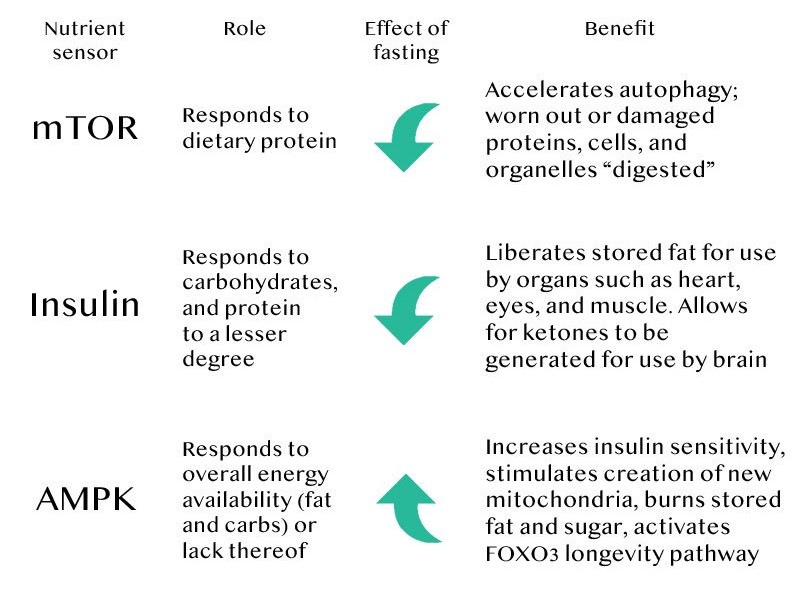
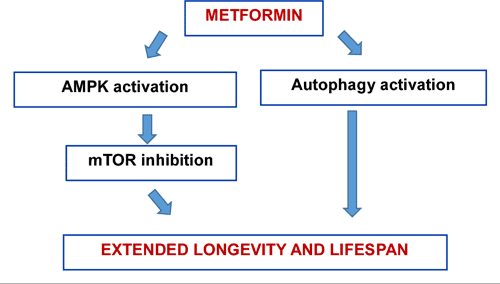
      Plants provide fewer amounts of amino acids than meat which induces good stress and our survival circuitry.  Specifically, it inhibits mTOR, a longevity gene that reprograms cells to spend fewer resources on dividing and more resources repairing,

      Personally, I eat a blend of the Mediterranean diet and the Pegan diet because gluten and dairy are inflammatory for my gut.  Because we are all unique, I suggest you experiment with your own version of the Mediterranean diet to see what works best for you.

      Click here to access your Mediterranean Diet Primer.

      Intermittent fasting for longevity

      Fasting and calorie restriction are good for health and longevity. Studies conducted since the 1930s have shown that restricting calories- but not too much as to cause malnutrition- boosts the longevity of all life forms.

      Fasting works because it provides just the right amount of stress to stimulate our survival circuits. 

      Hormesis stimulates longevity pathways to boost cellular defenses and minimize DNA damage.

      But you don’t need to take on a strict life of calorie restriction to benefit; intermittent fasting has been shown to work even better.

      Studies show that participants who restricted calories through intermittent fasting triggered enough hormesis to result in lowered blood pressure and lower levels of a hormone called insulin-like growth factor 1 (IGF-1).

      Reducing circulating IGF-1 and insulin levels and increasing, insulin sensitivity help to improve blood sugar stability and stress resistance to extend lifespan.

      AMP-activated protein kinase (AMPK) is an enzyme that plays a role in cellular energy homeostasis. AMPK is activated when cellular energy is depleted through caloric restriction, intense exercise, and targeted supplementation.

      When AMPK is lowered it helps cells become more sensitive to insulin, improves mitochondrial health, and helps burn stored fat for energy.

      what is time restricted feeding

      Fasting is catching a lot of attention lately due to the positive health benefits it helps.  There are many ways to fast and you may want to do your own research in this area, but I am going to focus on a type of intermittent fasting called Time Restricted Eating (TRE).

      TRE means consuming all your calories — whether from food or drink — within a specific time frame each day called the eating window.

      Studies show time-restricted eating (TRE) increases lifespan while decreasing the incidence of major diseases, including cancer and cardiovascular disease.

      Setting an eating window and sticking to it is one of the most important things you can do for health and longevity. This is because every time you eat — even just a bite of food — it triggers a process of digestion, absorption, and metabolism that takes hours to complete. And when your body is dedicated to processing food, it can’t also repair and restore.

      Of course, the quality of your diet still matters, but the success of TRE lends credence to the idea that WHEN you eat is even more important than WHAT you eat.

      Scientists say the minimum time you should go without consuming calories for TRE is 12 hours. For example, not eating anything from 8 pm the night before to 8 am the next morning. 

      While the science at 12 hours is impressive, lowering your window to as few as eight hours is significantly advantageous suggests Dr. Satchin Panda, arguably the world’s top expert on TRE. (Panda is a professor at the Salk Institute for Biological Studies and author of the book The Circadian Code.)

      His research shows that the health benefits you get from eating within a 12-hour window double at 11 hours and double again at 10, and so on until you reach an eight-hour window.  That would mean fasting for 16 hours and eating for the other 8 hours, or 16:8 TRE pattern.

      “Eating late at night is by far the worst choice you can make,” says Panda. He advises giving yourself at least three hours between your last bite or sip and the time you go to sleep — eating your last meal around 6 or 7 p.m.

      Your body needs that digestion time in order to have restorative sleep.

      Panda personally adheres to an 11-hour TRE. He eats his first meal of the day around 8 a.m. and finishes dinner by 7 pm, which is several hours before his 10:30 pm. bedtime.

      He acknowledges that not every day goes perfectly according to that schedule — but he does his best to stick to the routine. Even if he winds up eating a later dinner, he still tries to give his stomach at least 12 to 13 hours of rest before his next meal.

      I use an app called ZERO to help me track my fasting and eating windows and cycle between 14:10, 16:8, and 18:6 fasting/eating windows throughout the week. 

      It’s not hard, I just try to eat earlier in the evening, don’t snack between meals, and don’t consume calories until after 11 or so.

      I find I sleep better, have more energy, and am able to stimulate my metabolic pathways (mTor, IGF-1, and AMPK) for better health and longevity.

      For me, the takeaway is clear: TRE is a simple tool available to everyone — and it doesn’t require any significant changes to what or how much you eat.

      The best reason to shorten your eating window? It may, in turn, prolong your life.
      exercise and Longevity

      We’ve talked about the benefits of pushing our bodies beyond our comfort zone to trigger hormesis and anti-aging.

      Exercise is a classic example of hormesis — activating our longevity genes to help us become younger, stronger, and more resilient.

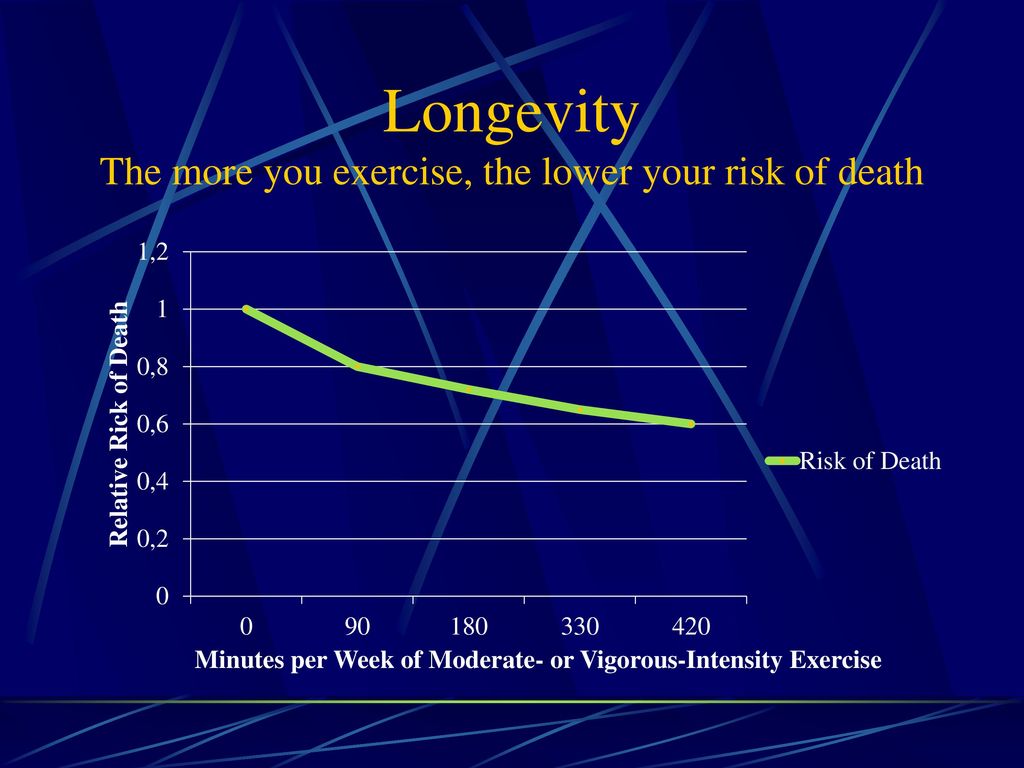
      Exercise is one of the most important ways that you can extend your longevity.

      Exercising—versus being inactive—can reduce your chance of dying from any cause by up to 35%.

      Daily exercise can even help “turn back the clock” on some processes related to aging. It does this by helping you avoid certain diseases (such as heart disease and cancer) and optimizing your organs’ health.

      But the longevity benefit is not just a result of reducing your risk of chronic disease.

      There are actual cellular changes associated with regular exercise that keep you younger.

      Researchers at Brigham Young University who studied the DNA of nearly 6,000 adults found that the telomeres, the end caps on chromosomes that shorten with age, were longer in people who were active compared to those who were sedentary.
      This correlated to about a 9-year difference in cell aging between those who were active versus those who were inactive.

      Another study compared the heart, lungs, and muscles of active 70-year-olds, inactive 70-year-olds, and active 40-year-olds.

      They found that the active older men and women had comparable heart and lung capacity and muscle strength of those who were 30 years younger.

      Unless there is a clear medical contraindication, we should all strive to achieve and maintain high levels of fitness. 

      There are lots of ways to get started but the easiest way is to start walking.  All movement helps, but longevity scientist Dr. David Sinclair recommends getting in 10,000 steps a day if possible. 

      Walking after a meal is especially helpful for stabilizing blood glucose, and all muscle movement stimulates the production of new blood vessels, something we all need as we age. 

      For greater benefit, Dr. Sinclair recommends getting your heart rate and breathlessness up for 10 minutes per day. 

      Also known as “hypoxia,”  high-intensity interval training turns on Hypoxia Inducible Factor 1-Alpha (HIF-1 Alpha), a pathway that turns on genes that increase our mitochondria. 

      The more mitochondria we have the more energy we produce and the more blood vessels we have to transport oxygen in our bodies (both of which decrease as we age.)

      Current guidelines recommend 150 to 300 minutes per week of moderate aerobic activity (walking, running, swimming, biking), or 75 minutes of high-intensity activity, or a mix of both.

      Twice-weekly resistance training to strengthen muscles and maintain hormone levels is also recommended.

      Muscle mass decreases 1% per year as we age which not only affects our strength, but structural integrity, balance, metabolism, hormones, and risk for injury.  

      Lower intensity exercise like T’ai Chi, Yoga, and Pilates is also a great way to maintain flexibility, balance, and mind body connection,

      Exercise also improves bone density.  Since hip fractures have the same mortality rate as metastatic cancer, getting off the couch isn’t optional, but mandatory!


      It’s never too late to start exercising.

      Even if you have been sedentary for many years, it’s not too late to reap the benefits of exercise. Studies have found that people who are overweight or who have been inactive for years can increase their life expectancy by adding moderate physical activity to their routine.

      And you don’t have to become an elite athlete to improve your longevity. Regular, moderate activities, such as brisk walking, have been associated with increasing life expectancy by several years.

      For example, 150 minutes of exercise or more each week increased life expectancy by about 7 years over those who didn’t do regular moderate exercise. This benefit was seen regardless of weight, age, sex and health conditions.

      “Insulin sensitivity is a hallmark of wellness. Keeping glucose out of the bloodstream, keeping low levels is a hallmark of wellness and longer life.” 
      – Dr. David Sinclair

      Exercise and nutrition are the two biggest ways to impact blood sugar balance.

      sleep and longevity

      It can be tempting to trade sleep for a few precious hours of wakefulness, but it is important to consider the hidden costs. Sleep is precious, too.

      Numerous studies have found that insufficient sleep increases a person’s risk of developing serious medical conditions, including obesity, diabetes, and cardiovascular disease.

      Lack of adequate sleep over time has also been associated with a shortened lifespan.

      An analysis of data from three separate studies suggests that sleeping five or fewer hours per night may increase mortality risk by as much as 15 percent.

      One of the most important benefits of sleep is that it provides cells and tissues with the opportunity to recover from the wear and tear of daily life. Major restorative functions in the body such as tissue repair, muscle growth, and protein synthesis occur almost exclusively during sleep.

      Insufficient sleep may cause health problems by altering levels of the hormones involved in such processes as metabolism, appetite regulation, and stress response.

      Obesity—Several studies have linked insufficient sleep and weight gain. One study found that people who slept fewer than six hours per night on a regular basis were much more likely to have excess body weight, while people who slept an average of eight hours per night had the lowest relative body fat of the study group.

      Another study found that babies who are “short sleepers” are much more likely to develop obesity later in childhood than those who sleep the recommended amount.

      Diabetes—Studies have shown that people who reported sleeping fewer than five hours per night had a greatly increased risk of having or developing type 2 diabetes. Fortunately, studies have also found that improved sleep can positively influence blood sugar control and reduce the effects of type 2 diabetes.

      Cardiovascular disease and hypertension—A recent study found that even modestly reduced sleep (six to seven hours per night) was associated with a greatly increased the risk of coronary artery calcification, a predictor of future myocardial infarction (heart attack) and death due to heart disease.

      There is also growing evidence of a connection between sleep loss caused by obstructive sleep apnea and an increased risk of cardiovascular diseases, including hypertension, stroke, coronary heart disease, and irregular heartbeat.

      Immune function—Interactions between sleep and the immune system have been well documented. Sleep deprivation increases the levels of many inflammatory mediators, and infections in turn affect the amount and patterns of sleep.

      While scientists are just beginning to understand these interactions, early work suggests that sleep deprivation may decrease the ability to resist infection.

      In a recent study, people who averaged less than seven hours of sleep a night were about three times more likely to develop cold symptoms than study volunteers who got eight or more hours of sleep when exposed to the cold-causing rhinovirus.

      In addition, those individuals who got better quality sleep were the least likely to come down with a cold. 

      Tips from Neuroscientist Andrew Huberman on getting better sleep:

      • View sunlight by going outside within 30-60 minutes of waking. Do that again in the late afternoon, prior to sunset. Light is an important part of syncing our circadian rhythms.

      • Avoid viewing bright lights—especially bright overhead lights between 10 pm and 4 am. Only use as much artificial lighting as is necessary for you to remain and move about safely at night.

        Blue blockers can help a bit at night but still dim the lights. Viewing bright lights of all colors are a problem for your circadian system. Candlelight and moonlight are fine.

      • Wake up at the same time each day and go to sleep when you first start to feel sleepy. Pushing through the sleepy late evening feeling and going to sleep too late (for you) is one reason people wake at 3 am and can’t fall back asleep.

      • Avoid caffeine within 8-10 hours of bedtime.

      • Limit daytime naps to less than 90 min, or don’t nap at all.

      • If you wake up in the middle of the night (which, by the way, is normal to do once or so each night) but you can’t fall back asleep, consider doing an NSDR protocol when you wake up.
      • Here’s one of the many “NSDR” videos you can find in YouTube.  from. Or sample a “Yoga Nidra” meditation to help relax and calm you for sleep.

      • Keep the room you sleep in cool and dark and layer on blankets that you can remove.

        Your body needs to drop in temperature by 1-3 degrees to fall and stay asleep effectively. Body temperature increases are one reason you wake up.

      • Drinking alcohol messes up your sleep. As do most sleep medications.

      Optional sleep supplements- (take 30-60 min before bed):

      • 145mg Magnesium Threonate or
      • 200mg Magnesium Bisglycinate
      • 50mg Apigenin (Swanson brand recommended)
      • 100-400mg Theanine
      • 100mg GABA.)

      Dr. Huberman recommends starting with one supplement (or none!) and then add one at a time as needed.

      Some people do not need any supplements, and some people like theanine but not magnesium, etc. so you have to determine what is best for you. Click link below to listen to his podcast on sleep.

      targeted supplementation

      We will go into longevity supplementation in more depth at our second BIG REWIND workshop “What we can do to slow aging” with Dr. Rahul Kapur on Saturday, November 12, 2022, but in the meantime here are some of the latest research on longevity supplements.

      Dr. David Sinclair, a professor at Harvard University, has been researching the role of sirtuins in aging.

      Sirtuins are proteins that repair DNA damage, maintain the epigenome, and determine which genes are switched on or off.

      We know this is important because during aging, DNA repair mechanisms go down, and the epigenome becomes more dysregulated.

      Sirtuins like resveratrol, pterostilbene, nicotinamide (NR), and nicotinamide mononucleotide (NMN) have been linked to improved DNA and epigenomic stability and anti-aging.

      NMN seems to be the most promising of these.

      That’s because NMN is converted into NAD+, which is a cofactor of sirtuins and other DNA-repairing molecules.

      What is NAD+?

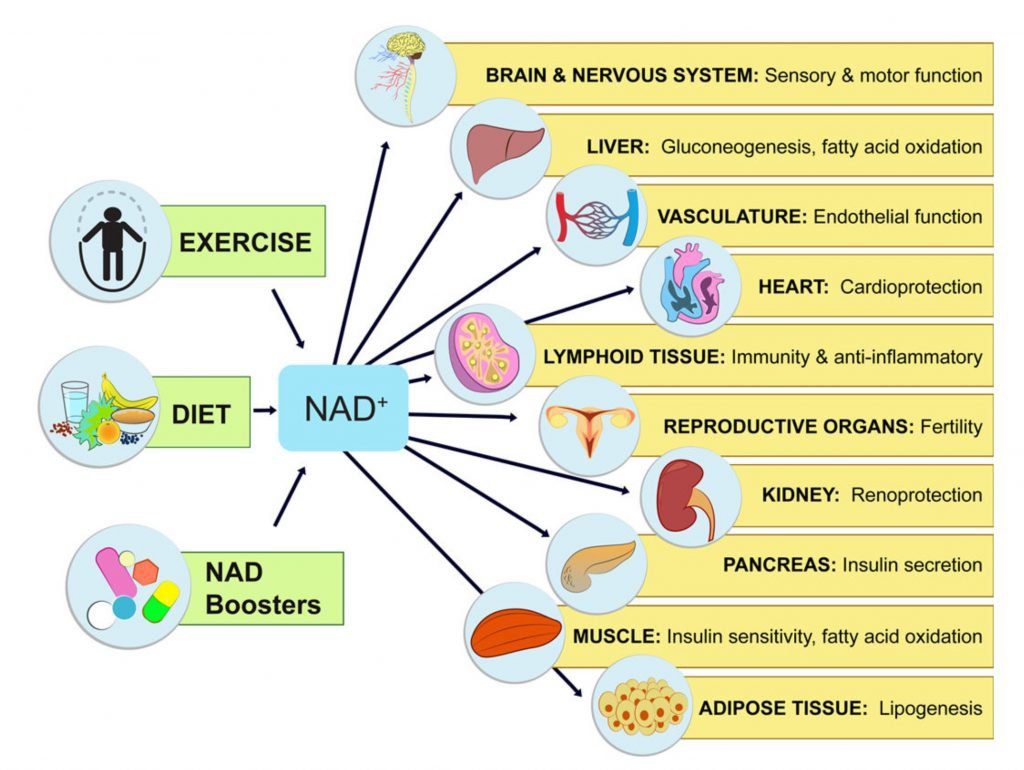
      NAD+ (nicotinamide adenine dinucleotide) is an important co-enzyme found in all cells. NAD+ is a substance that countless enzymes and proteins need to carry out their function and proper repair and maintenance of our DNA and epigenome.

      NAD+ works with proteins to preserve health — particularly under conditions of hormetic stress — (ie. fasting, exercise, etc).

      Unfortunately, NAD+ naturally decreases with age, even if we eat right and exercise, so that’s where targeted supplementation may make sense.

      It is believed that by boosting NAD+ back to youthful levels, we can improve physiological function and possibly prevent the risk for age-related diseases.

      Low levels of NAD+ are associated with:

      • A decline in metabolism, leading to weight gain and an increased risk of type 2 diabetes, metabolic syndrome, fatty liver, and other metabolic disorders
      • Fatigue
      • Reduced blood vessel health
      • Age-related muscle loss
      • Aging-related cognitive decline
      • Aging-related eyesight and hearing loss
      • Shorter lifespan

      What boosts NAD+ levels?

      NAD boosters include sirtuins NR (a form of vitamin B-3, called nicotinamide riboside, NMN (nicotinamide mononucleotide), resveratrol, fisetin, and quercetin, but this blog will focus on NMN, one of the most popular substances researched to slow down aging.

      NMN is a substance that occurs naturally in our bodies.

      NMN is a precursor to NAD+, and we already know NAD+ is a very important molecule for every cell in our body.

      The Benefits of NMN Supplementation

      1. NMN increases energy levels.
      Often, people report they have more energy when they take NMN.

      To achieve a boost in energy, it’s advisable to take a sufficiently high dose.

      Some people already feel an effect with 250 mg of NMN, while others have to take at least 500 mg.

      2. NMN improves memory
      Many users of NMN experience improvements in cognitive function, making them feel sharper or better able to concentrate.

      3. NMN & healthier blood vessels.
      Studies show that NMN rejuvenates aged blood vessels.

      NMN considerably improves, for example, vascular elasticity in old animals.

      4. NMN improves metabolism.
      This is very important because during aging metabolism declines considerably, leading to an increased risk of many diseases.

      5. NMN improves aging-associated decline.
      When we get older, many things deteriorate our eyesight, stamina, energy levels, bone density, and immune function. All these improve according to studies in old mice.

      6. NMN improves fertility.
      Some people who take NMN report that they have an increase in libido. Biotech companies have discovered that NMN and NMN derivatives can make old animals fertile again.

      7. NMN improves stem cell health.
      During aging, stem cells decline, and the remaining stem cells often become dysfunctional. This contributes to aging, given stem cells generate new cells and maintain our tissues. Various studies show that NMN, or boosting NAD levels, can improve stem cell health and self-renewal.

      8. NMN repairs DNA damage.
      NMN helps cells to repair their damaged DNA. DNA damage is one of the reasons why we get older.

      Scientists believe taking 250 to 500 mg of NMN per day is sufficient to benefit from NMN’s health and longevity-promoting effects, but always consult with your health care provider before embarking on any supplementation program.

      Metformin

      Metformin is a prescription drug that has been used for decades to treat type 2 diabetes.  The older we get, the more insulin resistant our tissues become.

      The more insulin resistant you are, the less well your tissues can process sugars. The sugar is not taken up well into cells, and lingers around in the body, causing damage. For example, sugar creates cross-links, which we know contribute to aging.

      This is accelerated when one eats unhealthily and/or is overweight.

      Metformin and Longevity

      Longevity scientists are unraveling how metformin works to help slow aging.  It appears it has the following functions:

      • Increasing AMPK levels. (AMPK is a protein that has many healthy effects on metabolism, inflammation, and aging in general.)
      • Inhibiting important proteins in the mitochondria. This leads to more mitochondria being created, and the mitochondria protecting/repairing themselves better.
      • Metformin could also alter the gut microbiome (the bacteria in our gut), which could be responsible for some of the health benefits.
      • Researchers found that diabetics who take metformin in fact live longer than healthy persons who don’t take metformin. This is interesting, given people with diabetes live shorter lives on average than healthy, non-diabetics.

      However, there are also some issues to keep in mind when taking metformin, including unfavorable “unknowns” and side effects.

      Let’s start with the unknowns.

      • Some studies showed that metformin could actually undo some of the beneficial effects of exercise.
      • Metformin works as a strong mitochondrial “toxin” or inhibitor, stressing the mitochondria. A bit of stress can be good given it upregulates defense and repair mechanisms in the mitochondria – this process is called “mitohormesis” But when does “a bit” of stress become too much stress?
      • A study showed that metformin treatment late in life could actually shorten lifespan. It could be that in very old people (of which the mitochondria are already significantly damaged or stressed), or that in middle-aged people who exercise (which also stresses the mitochondria, accounting for many of the health benefits of exercise) and also take metformin, that the metformin taxes the already stressed mitochondria too much.

        That’s why, for example, Harvard Professor and aging expert David Sinclair does not take metformin on days he exercises.

      • Metformin mainly improves mitochondrial health or metabolism in general. However, we age because of many other mechanisms, like epigenetic alterations, protein accumulation, telomere shortening, DNA damage, and so on. These aging mechanisms also need to be addressed, via other molecules than metformin.
      • Metformin works greatly in diabetics, but it remains to be seen if metformin also brings about health or longevity benefits in healthy, non-diabetic people.

      Side effects of metformin

      • Metformin can reduce the body’s uptake of vitamin B12. Therefore, it is advised to take vitamin B12 (and ideally a B vitamin complex containing all B vitamins) when taking metformin.
      • Abdominal discomfort, like diarrhea, gas, abdominal pain, and nausea. Often, the gastrointestinal discomfort subsides after a few weeks.

      While metformin is a popular anti-aging supplement, the jury is still out on its appropriate use and dosage. 

      In studies comparing the efficacy of Metformin vs lifestyle changes in diet and exercise, lifestyle proved to have 50% more impact than Metformin.

      Supplementation is always a discussion to have with your health care provider.

      summary

      Aging is influenced by many factors including how we eat, how much we eat, and when we eat.

      Exercise, sleep habits, exposure to toxins, and feeling connected and supported all factor into the rate of our biological aging.

      The good news is that we know we can positively impact our longevity via lifestyle choices. 

      Intermittent fasting, hypoxic exercise, (HIIT and strength training), and prioritizing sleep and recovery are all important epigenetic triggers to slow aging.

      Consuming an anti-inflammatory Mediterranean diet, reducing animal protein consumption, limiting alcohol, staying hydrated, and restricting eating to a few hours a day are all ways we can slow the aging process.  

      In our second workshop with Dr. Rahul Kapur on November 12, 2022, we’ll take a deeper dive into other anti-aging protocols.

      Cryotherapy, sauna, hyperbaric and ozone therapies, peptides, stem cells, and safe options for targeted supplementation are all topics on the agenda.

      The mechanism of aging all boils down to keeping our mitochondria and DNA clean, healthy, and functional.

      In addition to eating healthy, moving regularly, and staying connected in your community, new scientific discoveries in longevity can help us not only live longer but better, healthier, and with more joy!

      Join Tina Sprikle for THE BIG REWIND, a 3-part series exploring the reasons why we age and what we can do about it. 

      All workshops take place in-person from 2:00-3:30 pm at Centered Spirit located at 8131 Wornall Road, Kansas City, Mo. 64114.  We will film each session for replay later should you have to miss the live event.

      Single Workshop:      $45
      All three workshops: $69

      @ Centered Spirit
      8131 Wornall Road
      Kansas City, Mo  64114

      workshop #1.
      why we age

      SATURDAY, OCTOBER 22, 2022  2:00-3:30 pm

      Take a deep dive into the biochemistry of aging, and longevity science, to learn how you can not only live longer but live better!

      @ Centered Spirit
      8131 Wornall Road
      Kansas City, Mo  64114

      workshop#2.
      what we can do

      Saturday, November 12, 2022  2:00-3:30 pm

      The importance of nutrition, meal timing, exercise, and targeted supplementation and peptide therapy for slowing down and reversing aging with special guest Dr. Rahul Kapur

      @ Centered Spirit
      8131 Wornall Road
      Kansas City, Mo  64114

      workshop #3. ask the surgeon

      Saturday, January 14, 2023  2:00-3:30 pm

      You’re eating right, exercising and working your anti-aging protocol but still want a fresher face in the mirror.  Join special guest Dr. Regina Nouhan as she answers your questions about options for facial cosmetic surgery.

      Each 90-minute workshop provides participants with:

      • The latest longevity research education
      • Actionable steps to improve your health, slow and or reverse aging
      • Workshop handout and Ebook
      • Resources links and service providers
      • Video replay
      • Optional follow-up resource texts
      Days
      Hours
      Minutes
      Seconds

      until we get this party started why we age - 10.22.2022

      Questions?

      I’m always a text or email away.

      Email me at tina@tinasprinkle.com or send me a text at 913 963 8546.

      Why We Age – Part 2

      Aging is defined as a progressive loss of physical integrity, functionality, and increased vulnerability to illness and death that begins on the cellular level.

      While aging itself isn’t a disease, the aging process represents a major risk factor for several chronic diseases and conditions, including frailty and lack of resilience.

      Research on the biology of aging has accelerated rapidly in the last two decades. Geroscience, a new branch of longevity science, seeks to address the biology of aging and the biology of age-related diseases together.

      Aging is a predominant risk factor for most common chronic diseases that limit health span: cardiovascular disease, diabetes, cancer,  metabolic syndrome, dementia, and Alzheimer’s disease, to name a few.

      Accumulated cellular waste, signaling errors, imperfect repairs, and cell damage all contribute to the symptoms of aging and ultimately lead to the development of age-related diseases that eventually kill us.

      Understanding cell dysfunction and how it affects our bodies is the key to understanding why we age. 

      This post explores what longevity scientists call the Ten Hallmarks of Aging and how they each contribute to the process.  

      There’s a bit of biochemistry here, but don’t worry, we’ll decipher it further in workshop #1, on October 22, 2022, of THE BIG REWIND.

      Reserve your spot today.

      mitochondrial dysfunction

      • Mitochondria are the power plants of our cells. They produce the energy that our cells need to stay alive and function properly.
      • Cells contain hundreds to thousands of mitochondria on average. 
      • The older we get, the more our mitochondria become damaged and dysfunctional. 
      • Mitochondria become damaged in a variety of ways during our lifetime, such as mutations
      • in their DNA when they divide, by free radicals, and due to epigenetic changes.
      • When mitochondria are damaged, cells don’t have enough energy to properly function and maintain themselves.
      • Also, damaged mitochondria send disruptive signals to the cell, further disrupting proper cellular functioning. 
      • All of this contributes to aging.

      Cellular Senescence

      Senescent cells are sometimes called “zombie” cells because they are damaged cells that should have died but stay alive.

      Senescent cells secrete inflammatory substances that damage the healthy surrounding cells, further contributing to inflammation and aging.

      When we get older, these senescent cells accumulate in the skin, contributing to sagging of the skin and wrinkles. 

      In the joints, senescent cells damage the cartilage, contributing to osteoarthritis. 

      Senescent cells in the blood vessel walls lead to stiffer blood vessels which are more prone to breaking and accumulating plaque. 

      Altered Cellular Communication

      • During aging, the environment our cells live in changes: it becomes pro-inflammatory, pro-aging, and damaging. This makes our cells age faster, leading to a vicious cycle as damaged cells secrete harmful substances that damage healthy cells.
      • When we get older, increasingly higher levels of destructive substances can be found in our bloodstream and cellular fluids. 
      • Examples of such substances are proinflammatory factors, proteins, peptides, metabolites, and hormones that damage our cells and accelerate aging. 
      • These circulating substances promote low-grade, systemic age-related inflammation also called “inflammaging”.
      • A dysregulated microbiome, a leaky gut, an aging immune system, and chronic pathogens like viruses can all contribute to altered cell communication.

      Epigenetic Alterations

      The epigenome is the complex machinery that determines how active each of our genes are. You can look at the epigenome as an on-off switch for genes.

      The epigenome is very important for gene expression (which genes are active or inactive), and thus cellular function as a whole.

      The problem is that during aging the epigenome becomes increasingly dysregulated.

      Liver-specific genes are switched on in brain cells, stomach genes are switched on in muscle cells, and so on.

      Genes that need to be turned off are turned on (like cancer-promoting genes), and genes that need to be turned on are switched off, such as genes that repair or protect our cells. 

      Generally, we see that our DNA becomes more demethylated (there are less methyl groups sticking on the DNA which would normally prevent the DNA to be translated into protein). As a result, gene transcription is less suppressed in many areas.

      This leads to specific genes becoming active that should not be active, like cancer-promoting genes.

      Genomic Instability

      • During our lifespan our DNA becomes damaged, contributing to many problems given DNA contains all the instructions to build and maintain our body.
      • During aging, our DNA becomes more and more damaged, contributing to the aging process. 

        DNA can become damaged in two main ways:

        • Damage from the outside: This kind of damage is caused by external factors, like physical (e.g. UV light), chemical (e.g. specific drugs, substances in cigarette smoke, toxic compounds) and biological damage (e.g. viruses). 
      • Damage from the inside: This kind of DNA damage is caused by internal processes, such as replication errors when the DNA is copied, free radicals produced by cellular metabolism, spontaneous chemical reactions, a dysregulated epigenome, etc.
      • These actions lead to all kinds of DNA damage, such as mutations, DNA strand breaks, chromosomes that disappear or get rearranged, telomere attrition and shortening, and more.
      • Every day, in every cell, tens of thousands of insults damage the DNA, but most of them are repaired, fortunately.  As we age, the genes that repair DNA can get overwhelmed.

      Telomere Shortening

      Telomeres are short pieces as the end of our DNA strands.

      You can compare telomeres to the caps on our shoelaces that prevent the laces from raveling out.

      With every cell division, telomeres become shorter. When they are too short, cells stop dividing. These cells cannot continue supporting and forming our tissues properly.

      Telomere length shortens with age. Progressive shortening of telomeres leads to senescence, apoptosis (cell death), or oncogenic transformation of somatic cells, affecting the health and lifespan of an individual. Shorter telomeres have been associated with increased incidence of diseases and poor survival.

      The rate of telomere shortening can be either increased or decreased by specific lifestyle factors.

      Better choice of diet and activities has great potential to reduce the rate of telomere shortening or at least prevent excessive telomere attrition, leading to delayed onset of age-associated diseases and increased lifespan.

      Loss of Proteostasis

      Proteins are the building blocks and workhorses of our cells.

      Each cell contains many millions of proteins. Proteins are continuously broken down and built up.

      However, this process is not perfect: some proteins are not broken down and keep lingering around in the cell.

      They clump together and start to


      accumulate in and around the cells, causing the function of the cells to deteriorate, all contributing to the process we call aging. 

      “Proteostasis” refers to “protein homeostasis”. 

      Homeostasis is the delicate, healthy balance that all cells strive for to stay alive and function properly.

      With age, proteostasis deteriorates.

      Deregulated Nutrient Sensing

      During aging, important metabolic pathways become more and more dysregulated. These pathways regulate how our cells respond to nutrition.

      When our cells become less tuned to nutrient signals,  it can result in reduced energy and metabolic dysfunction as we age.

      The four pathways of nutrient-sensing regulate metabolism and influence aging. The four associated key protein groups are IGF-1, mTOR, sirtuins, and AMPK. We call these proteins “nutrient-sensing” because nutrient levels influence their activity. We will talk more about the impact of these proteins and what we can do about them in THE BIG REWIND workshop #2 on November 19, 2022.

      It’s important to understand how the western diet with an overabundance of fast sugars, animal proteins, and unhealthy fats leads to an overactivation of these nutrient-sensing pathways and accelerates aging. 

      STEM CELL EXHAUSTION

      • Stem cells are rare cells, scattered around in the body, that produce new, differentiated cells.

      • Stem cells are very important and very powerful. In fact, your whole body was created out of one super stem cell, namely the fertilized egg cell that nestled itself in the womb of your mother.

      • Our body is continuously rebuilt and replenished with new cells that derive from stem cells.
      • When we get older, our stem cells become dysfunctional or they die off. This leads to our tissues being far less replenished with new, healthy cells.

      • Additionally, as we age, some dysfunctional stem cells take over the existing stem cell pool. These stem cells are dysfunctional because they don’t maintain the tissues properly, but they reproduce faster than the normal stem cells, out-competing them.

      Crosslinking

      Cross-linking, (also known as glycosylation) attributes aging to chemical changes that happen gradually as proteins, structural molecules, and DNA develops detrimental chemical bonds (aka cross-links) to each other.

      Cross-linking issues arise when glucose binds to protein. This process occurs under the presence of oxygen, and as we age there are increased odds that oxygen comes in contact with glucose and protein to activate the cross-linking transition.

      This is somewhat similar to how apple slices (a glucose-rich food) will gradually turn yellow and brown as they are exposed to oxygen in the air.

      Cross-linking of proteins may also play a role in the hardening of collagen and cardiac enlargement, increasing the risk for cardiac arrest.

      Cross-linking is also associated with stiffening of blood vessel walls, delayed wound healing, reduced joint mobility, and changes in the lens of the eye.

      In addition to these potentially serious implications, many believe that cross-linking is responsible for age-related skin changes including wrinkles and reduced elasticity.

      As we grow older, sugar-derived bonds, or crosslinks, are formed between the proteins that make up our tissues, making tissues more stiff. Stiffer tissue is less capable of performing its function than soft, supple tissue, especially in blood vessels, the lungs and the skin.

      summary

      Aging changes occur in all of the body’s cells, tissues, and organs, and these changes affect the functioning of all body systems.

      While your chronological age (how many birthdays you’ve had), will increase at a set rate as the years pass, your biological age, the measurement of your cellular age based on various biomarkers — can change due to how you choose to live your life.

      Your biological age reflects a combination of your genetics, accumulated lifestyle factors, and other determinants such as demographics, diet, and exercise habits.

      Addressing aging as the biochemical event that it is can help you reduce inflammaging, slow the ten hallmarks of aging, and help keep you strong, flexible, energetic, and focused.

      Now that we know why we age. We’ll take a deeper dive into what we can do about it in our second in person workshop with Dr, Rahul Kapur on Saturday, November 12, 2022.

      Our next blog in this series will detail actionable steps you can take today for a younger tomorrow!  Scheduled blog release date:  October 22, 2022.

      Source:  Novoslabs

      The mechanism of aging all boils down to keeping our mitochondria and DNA clean, healthy, and functional.

      In addition to eating healthy, moving regularly, and staying connected in your community, new scientific discoveries in longevity can help us not only live longer but better, healthier, and with more joy!

      Join Tina Sprikle for THE BIG REWIND, a 3-part series exploring the reasons why we age and what we can do about it. 

      All workshops take place in-person from 2:00-3:30 pm at Centered Spirit located at 8131 Wornall Road, Kansas City, Mo. 64114.  We will film each session for replay later should you have to miss the live event.

      Single Workshop:      $45
      All three workshops: $69

      @ Centered Spirit
      8131 Wornall Road
      Kansas City, Mo  64114

      workshop #1.
      why we age

      SATURDAY, OCTOBER 22, 2022  2:00-3:30 pm

      Take a deep dive into the biochemistry of aging, and longevity science, to learn how you can not only live longer but live better!

      @ Centered Spirit
      8131 Wornall Road
      Kansas City, Mo  64114

      workshop#2.
      what we can do

      Saturday, November 12, 2022  2:00-3:30 pm

      The importance of nutrition, meal timing, exercise, targeted supplementation, and peptide therapy for slowing down and reversing aging with special guest Dr. Rahul Kapur.

      @ Centered Spirit
      8131 Wornall Road
      Kansas City, Mo  64114

      workshop #3. ask the surgeon

      Saturday, January 14, 2023  2:00-3:30 pm

      You’re eating right, exercising and working your anti-aging protocol but still want a fresher face in the mirror.  Join special guest Dr. Regina Nouhan as she answers your questions about options for facial cosmetic surgery.

      Each 90-minute workshop provides participants with:

      • The latest longevity research education
      • Actionable steps to improve your health, slow and or reverse aging
      • Workshop handout and Ebook
      • Resources links and service providers
      • Video replay
      • Optional follow-up resource texts
      Days
      Hours
      Minutes
      Seconds

      until we get this party started why we age - 10.22.2022

      Questions?

      I’m always a text or email away.

      Email me at tina@tinasprinkle.com or send me a text at 913 963 8546.